
Table of Contents
Overview of SANY Excavator Reliability Challenges
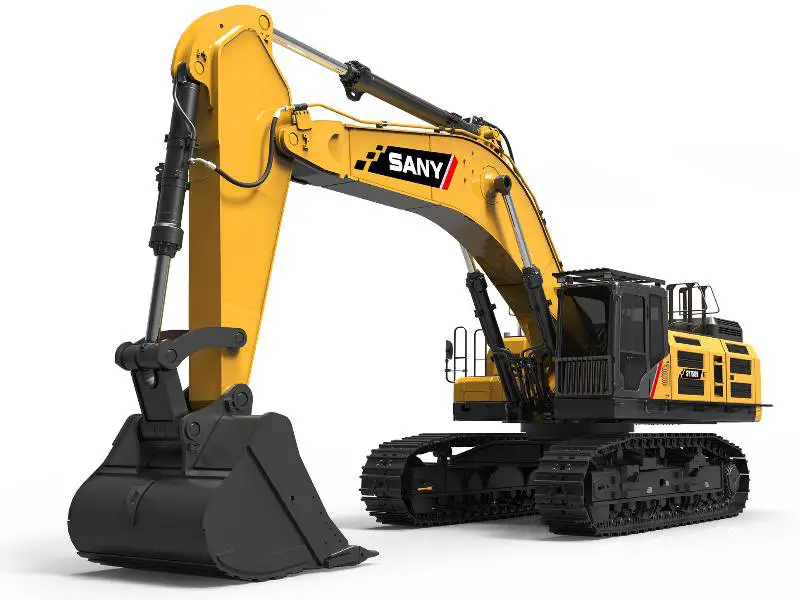
SANY excavators present a compelling value proposition for North American contractors at approximately 50% the cost of premium brands, yet operators should be aware of potential reliability challenges that have been reported across various fleet applications. Common issues that owners may encounter include hydraulic system concerns, engine complications related to modern emission controls such as diesel particulate filters, electrical system vulnerabilities, and undercarriage wear patterns that benefit from proactive preventive maintenance protocols. While backed by an industry-leading 5-year/5,000-hour warranty and utilizing reputable components from Yanmar, Cummins, Isuzu, and Kawasaki, SANY equipment generally requires more frequent servicing intervals compared to premium alternatives. U.S. operators report varied experiences: many fleet owners praise the substantial cost savings and find performance adequate for light-to-moderate applications, while others cite parts availability delays of 3-4 weeks, inconsistent dealer support depending on location, and questions about long-term durability beyond the warranty period. Understanding these potential failure modes and implementing disciplined maintenance schedules proves essential for maximizing uptime and achieving acceptable total cost of ownership with SANY excavators in demanding North American construction environments.

Understanding SANY’s Position in the U.S. Excavator Market
SANY America’s Dealer Network and Product Range
SANY America operates from its Peachtree City, Georgia facility and has established approximately 110 dealer locations across the United States, ranking as the world’s third-largest heavy equipment manufacturer. The company markets excavator models ranging from compact units like the SY35U (8,500 pounds operating weight) to large mining-class machines such as the SY500H (400 horsepower Cummins engine). Primary models sold in the U.S. market include the SY215C with 163 horsepower Cummins QSB6.7 engine, the SY335 featuring 255 horsepower Isuzu power, and various compact models utilizing Yanmar diesel engines. Despite competitive specifications and aggressive warranty coverage, operator experiences reveal systematic reliability concerns that prospective buyers must evaluate carefully. One Texas fleet owner operating equipment from multiple manufacturers stated: “I own Caterpillar, Deere, Komatsu, Daewoo, and Sany. It is no tougher to get Sany parts than any others. Sany has a great warranty and their customer service has been outstanding, but you will give up money on resale. They do not hold their value like Cat.”
Hydraulic System Failures Represent the Most Frequent Problem Category
Hydraulic system malfunctions constitute the most commonly reported failure mode across all SANY excavator size classes, with issues ranging from minor seal leaks to catastrophic pump failures requiring complete system overhauls. U.S. operators consistently identify hydraulic problems as the primary maintenance concern, particularly in machines operating beyond 2,000 hours. The second most common problem with SANY excavators involves the hydraulic system according to aggregated service data, manifesting through fluid leaks in hoses and pumps, valve malfunctions that reduce fluid flow to cylinders and attachments, pump failures from overheating or contamination, seal deterioration from temperature extremes or age-related breakdown, and hydraulic fluid contamination from external debris or internal component wear.
Symptoms of Hydraulic System Problems
Operators experience several distinct symptoms indicating hydraulic system degradation. Sluggish operation represents the earliest warning sign, characterized by attachments moving slower than normal or exhibiting weak digging force despite engine operating at full power. This performance decline typically worsens gradually over weeks or months as internal component wear progresses. Unusual noises provide critical diagnostic information: banging and knocking sounds indicate pump cavitation from restricted suction lines or malfunctioning check valves, while whining or grinding noises suggest bearing failures within hydraulic motors or pumps operating with insufficient lubrication. Visible fluid leaks appear as fresh hydraulic fluid looking wet and shiny around cylinder rod/barrel junctions, or as dark, grimy trails from older leaks that have accumulated dirt and debris over time. System overheating manifests when hydraulic fluid temperatures exceed 82°C (180°F), causing sluggish operation during precision work and potentially generating visible smoke or steam. Erratic movement of attachments occurs when contaminated hydraulic fluid or failing valves create inconsistent flow patterns, resulting in jerky or unpredictable boom, stick, or bucket responses to operator inputs.
Causes and Troubleshooting for Hydraulic Failures
Hydraulic pump problems occur most frequently in SANY excavators equipped with Kawasaki K5V series pumps, including the K5V140DTP used in SY235 models and K5V160DTH in SY335/SY365 machines. Pump failures stem from several interconnected causes: fluid contamination remains the leading cause, with metal chips embedding in seals and slicing grooves, or particles smaller than human hair causing catastrophic damage throughout the system. Research indicates that just one tablespoon of dirt can compromise an entire hydraulic system. Overheating accelerates pump wear, with standard nitrile seals degrading above 180°F and becoming brittle, cracked, or developing compression set. Cavitation from clogged or restricted suction lines creates violent collapse of vapor bubbles that progressively damages internal pump components. Low fluid levels reduce heat dispersion capacity and allow air entrainment, while normal wear and tear gradually reduces pump efficiency over thousands of operating hours.
Seal failures represent a particularly insidious problem affecting cylinders throughout SANY excavators. The top five causes of seal failure in these machines include: fluid contamination with embedded metal chips and abrasive particles that slice through seal materials; heat degradation when fluid temperatures exceed seal material tolerances, causing standard nitrile O-rings to fail through cracking and compression set; pressure-induced extrusion when operating pressures exceed seal capabilities, with standard nitrile O-rings failing around 1,500 PSI while system pressures spike 30-40% above normal during demanding operations; cylinder rod surface damage from scratches, pitting, or corrosion that prevents proper sealing even with new seals installed; and chemical attack when incorrect hydraulic fluid types cause seal swelling or shrinking. One SY35U owner specifically noted: “Hydraulics are actually the weakest parts. They do not use really expensive materials. Small solenoids, seals, or O-rings start leaking or are torn apart.”
Valve malfunctions create multiple failure modes. Relief valves generate low or erratic pressure when contaminated with dirt particles that hold valves open, worn poppets and seats prevent proper sealing, or weak springs fail to maintain specified pressure settings. Directional control valves exhibit spool stiction from contaminants causing incomplete shifting and improper actuator operation, while inadequate flow results from pump cavitation, plumbing restrictions, or low tank fluid levels. Pressure-reducing valves produce erratic pressure outputs when dirt accumulates in oil passages, poppets and seats wear from use, orifices become restricted, or spools bind from contamination or misalignment.
Solutions for Hydraulic System Problems
Solutions for hydraulic problems require systematic approaches. For pump issues: inspect pumps for visible damage including cracks, leaks, and excessive wear on housings; check suction lines meticulously for blockages or restrictions; verify check valve operation through pressure testing; conduct regular pressure and flow testing to establish baseline performance and detect degradation trends; replace hydraulic fluid at recommended intervals using fluids meeting ISO 4406 cleanliness level 18/16/13 or better; and ensure drain lines remain open to reservoir. For seal failures: install proper filtration rated for system pressure and flow requirements rather than waiting for filters to become completely clogged; use desiccant breathers on reservoirs to prevent moisture contamination; upgrade to temperature-appropriate seal materials such as Viton for high-temperature applications; install backup rings for high-pressure applications exceeding standard O-ring capabilities; monitor fluid temperature continuously and maintain levels below 140°F during normal operation; and replace all seals when changing fluid types to ensure chemical compatibility. For valve problems: clean or replace contaminated hydraulic fluid; adjust valve settings per manufacturer specifications using calibrated pressure gauges; replace worn springs, poppets, and seats as complete assemblies; clear blocked orifices and balance holes using appropriate solvents and compressed air; and use thermal imaging equipment to identify stuck valves generating excessive heat.
Hydraulic Fluid Contamination and Overheating
Contamination enters hydraulic systems through multiple pathways: external sources include dust, dirt, and water penetrating through worn seals or ineffective filtration during service operations, while internal contamination generates from metal shavings and rubber particles produced by normal component wear. Improper fluid handling during changes introduces additional contaminants when transfer equipment has not been dedicated exclusively to hydraulic fluid service. The effects prove devastating: contaminated fluid damages pumps, valves, and cylinders through abrasive action, scratches internal surfaces creating additional leak paths, blocks small ports and orifices causing erratic operation, accelerates wear on all moving components, and reduces overall system efficiency.
Hydraulic system overheating beyond the optimal temperature range of 140°F-180°F (60°C-82°C) signals serious problems. Causes include clogged hydraulic coolers blocking airflow when fins accumulate debris, low oil levels reducing heat dispersion capacity, internal leakage from worn components converting pressure energy into heat, contaminated hydraulic fluid with altered thermal properties, incorrect oil viscosity for ambient conditions, relief valves cycling continuously when system pressures exceed settings, undersized reservoirs providing insufficient cooling capacity, excessive heat loads exceeding cooling system design limits, blocked return line filters restricting flow, and worn pumps, valves, or cylinder seals causing pressure losses that convert to heat. Solutions require checking and maintaining proper oil levels daily, cleaning cooler fins regularly to remove dirt, mud, and debris accumulations, temporarily reducing work loads to allow cooling during temperature spikes, using correct oil viscosity (ISO 32/46 for cold weather, ISO 68/100 for hot weather), allowing 5-10 minute warm-up periods before full operation, installing auxiliary cooling systems if temperatures remain consistently elevated, shielding cylinders from external heat sources and direct sunlight, repairing internal leaks promptly, clearing blocked filters, and verifying pressure compensator settings match manufacturer specifications.
Engine and Powertrain Problems Affect Reliability and Operating Costs
SANY excavators utilize engines from multiple reputable manufacturers including Yanmar for mini excavators, Kubota for latest-generation small machines, Isuzu for mid-sized equipment, and Cummins for large-scale excavators. While these powerplants generally provide acceptable reliability, operators encounter specific problems related to modern emission control systems, fuel system contamination, cooling system inadequacies, and turbocharger failures that significantly impact uptime and maintenance costs.
Engine Starting Difficulties and Power Loss
Starting issues manifest through several distinct patterns. Engines fail to crank or turn over when fuel contamination with water or debris blocks injectors, fuel system air leaks prevent proper fuel delivery, dead man safety switches remain in incorrect positions preventing starter engagement, faulty starter wiring or connections interrupt electrical circuits, low voltage from ignition switches fails to energize starter solenoids, or clogged fuel filters restrict flow beyond pump capacity. One mechanic diagnosing a 2018 SANY SY17C mini excavator with 30 hours of use that lost power after running 1-2 hours identified fuel contamination as the primary suspect, recommending: “Drain the entire fuel system including the tank and lines, replace the fuel filters (do not just clean them), and use clean, uncontaminated diesel fuel.” Solutions require draining entire fuel systems including tanks and lines when contamination is suspected, replacing rather than cleaning fuel filters to ensure complete contamination removal, checking voltage from key to starter using voltmeters during cranking attempts, inspecting and replacing damaged starter wiring and connections, verifying dead man switch positioning, and using only clean, uncontaminated diesel fuel from reputable suppliers.
Power loss problems particularly frustrate operators. Symptoms include loss of power after 20-30 minutes of operation, power drops after warm-up periods of 1-2 hours, engine bogging down under load, and generally reduced performance. One SY135C operator reported: “Runs great for 20 minutes then bogs down. Requires 10-minute shutdown to resume operation. Fuel filter replacement did not help.” Causes include clogged fuel filters restricting flow as debris accumulates, air leaks in fuel lines allowing aeration that disrupts injection, fuel pump blockages or failures reducing delivery pressure, worn fuel injectors producing incorrect spray patterns, contaminated fuel with water or debris, hydraulic system overload with metal debris in hydraulic circuits indicating severe internal wear, and clogged air filters restricting airflow and limiting combustion efficiency. Solutions require replacing fuel filters on schedule rather than waiting for symptoms, inspecting fuel lines for air leaks and blockages using clear sight glass fittings when possible, checking for fuel system aeration, draining old filters to inspect for contamination evidence, cleaning or replacing fuel injectors when spray patterns degrade, inspecting hydraulic systems for metal debris appearing as “glitter” in oil samples, and replacing air filters to restore proper airflow.
Diesel Particulate Filter Problems Create Operational Disruptions
Modern SANY excavators equipped with Tier 4 Final emission systems experience significant problems with diesel particulate filter (DPF) soot buildup, causing machines to enter “limp mode” with severely reduced power, illuminating warning lights on dashboard displays, requiring frequent regeneration cycles, and producing dramatic engine power drops. Short run times preventing passive regeneration at high exhaust temperatures represent the most common cause, as engines fail to reach full operating temperature during brief work cycles. Excessive soot accumulation from incomplete combustion overwhelms filter capacity, while insufficient highway or high-load operation prevents the sustained high temperatures required for passive regeneration.
Solutions for DPF Problems
Solutions require performing forced regenerations using diagnostic software such as Jaltest, monitoring pressure and temperature of exhaust gases to determine filter condition, ensuring adequate operating time at high temperatures during each work session, running equipment under load to facilitate passive regeneration, cleaning or replacing DPF units when regeneration becomes ineffective, and using fuel additives such as FTC Decarbonizer to reduce soot production. The cost implications prove substantial: DPF replacement exceeds $8,500 CAD for sealed units incorporating catalytic converters, while frequent forced regeneration requirements consume 20+ minutes of parked time during which machines generate no revenue. One operator noted after proper fuel system cleaning: “Machine works like a charm, but DPF issues persist” with warning lights continuing to appear despite other maintenance.
Diesel Exhaust Fluid System Complications
DEF (diesel exhaust fluid) system problems severely impact modern SANY excavators equipped with selective catalytic reduction (SCR) emission controls. Cross-contamination represents the most critical issue: DEF contaminated with diesel fuel or other fluids damages DEF tanks, pumps, lines, and SCR systems. Using transfer containers for both fuel and DEF creates this contamination pathway. Dirt and debris contamination from sand, grit, or dust entering through dirty fill containers or unclean cap areas clogs filters, damages pumps, and blocks injectors. Incorrect fluid in DEF tanks, particularly diesel fuel accidentally added to DEF tanks, causes what one technician described as “the worst thing that can be done” with complete system damage requiring extensive repairs.
Quality problems occur when DEF fails to meet ISO 22241-1 standards specifying 32.5% urea and 67.5% deionized water, causing excessive DEF consumption, SCR system malfunctions, engine shutdowns or derates, and voiding SCR system warranties when non-certified DEF is used. Storage issues arise when shelf life exceeds 12 months in moderate climates, direct sunlight causes urea decomposition, or containers other than stainless steel or high-density polyethylene introduce contamination.
DEF system derate problems create severe operational disruptions. EPA guidance issued in August 2025 addressed this critical issue: when DEF runs out or sensors fail, systems force severe power reductions limiting speeds to as little as 5 mph, creating “significant disruptions in logistics, agriculture, and construction” and causing “needless frustration, operational delays, and real economic hardship.” Farmers reported tractors “literally brought to a halt in the middle of a field” while construction operators found equipment becoming “nearly inoperable” from sensor failures, costing “millions of dollars in lost productivity” across the industry. A former Parts & Logistics manager at Texas State Rentals who spent 8 years ordering SANY parts for their rental fleet recommends: “If you can stay away from anything with DEF” and suggests the SY35 with Yanmar engine as the “top seller mini” while recommending the SY215 with Cummins QSB for larger applications.
Solutions for DEF System Problems
Solutions require using dedicated containers for DEF only without reusing containers for other fluids, cleaning around fill caps before every refill, using only ISO-certified DEF meeting quality standards, adding DEF every time diesel fuel is added to maintain proper ratios, monitoring DEF levels with fleet management software, replacing DEF if unused through extended summer or winter periods, avoiding additives to prevent freezing, and responding immediately to any DEF system warnings.
Cooling System Failures and Fuel Injection Problems
Radiator problems cause engine overheating through clogged radiator vents accumulating dirt and debris, radiator damage or leaks, insufficient cooling capacity for operating conditions, and blocked cooling fins restricting airflow. Solutions include cleaning radiator vents regularly during daily inspections, replacing entire radiators when clogging becomes extreme or damage is extensive, inspecting for physical damage after any impact or collision, ensuring adequate airflow across radiators by removing debris accumulation, and checking electric cooling fan operation.
Coolant leaks develop from worn radiator hoses, damaged hose clamps, cracked radiator cores, thermostat housing gasket failures, water pump seal failures, heater core leaks, and head gasket failures creating internal leaks. Symptoms include coolant puddles under machines showing green, red, yellow, or orange fluid, low coolant levels requiring frequent additions, overheating despite proper radiator function, sweet smells from heater vents, white smoke from exhaust indicating combustion contamination, and coolant mixing with engine oil creating milky appearance. Solutions require inspecting all hoses and clamps during weekly maintenance, replacing worn or cracked hoses before failures occur, tightening or replacing loose clamps, repairing or replacing damaged radiators, replacing thermostat housing gaskets using proper sealants and torque specifications, fixing water pump seal failures, and addressing head gasket failures immediately to prevent engine damage.
Fuel Injector Symptoms and Causes
Fuel injector problems create engine misfiring with stuttering and juddering, rough idling with sputtering and shaking instead of smooth operation, loss of engine power, poor fuel economy, black smoke from exhaust indicating excess fuel, strong diesel fuel odors, erratic RPM fluctuations, check engine light illumination, and hard starting or no-start conditions. Causes include contamination from dirt, debris, or water in fuel systems; carbon deposits clogging injector nozzles; wear and tear from prolonged use; electrical problems with wiring or solenoids preventing proper opening; high temperature damage accelerating component aging; incorrect installation or maintenance; low-quality or contaminated fuel; and physical damage with cracked injector bodies or fuel rail connections.
Solutions for Fuel Injector Problems
Professional ultrasonic cleaning provides the only method with guaranteed results, though field solutions include replacing clogged fuel filters regularly, draining and inspecting fuel for contamination, checking fuel injectors for proper operation using specialized tools, replacing damaged injectors, ensuring clean high-quality fuel supply, and repairing electrical system faults affecting injector operation.
Electrical and Electronic Control-Module Problems Affect Approximately 30% of Machines
Electrical and control system problems represent the third most common failure category in SANY excavators, affecting approximately 30% of machines according to fleet maintenance data. These issues range from minor sensor failures to complete control system shutdowns, with water ingress, connector corrosion, and wiring harness damage serving as primary root causes. One U.S. contractor reported on a brand new SANY unit approximately three years ago: “Had a lot of electrical problems” without elaboration on specific failures, while forum discussions consistently identify electrical “gremlins” as particularly frustrating due to intermittent nature making diagnosis difficult.
Engine Control Module and ECU Failures
ECU (Engine Control Unit) failures manifest through computer module failure resulting in loss of control and inability to operate machines, engines failing to start or running erratically, machines entering “limp mode” with reduced power output, check engine lights illuminating on display panels, and loss of throttle control. Specific fault codes include E006 indicating controller failure, E007 signaling controller temperature abnormal, E111 showing controller memory fails with system slowing down, P100 and P101 indicating ECU power supply failure with voltage high or low, and P102/P103 showing sensor supply voltage errors.
Common causes include ECU power supply failures from voltage fluctuations or electrical system problems, sensor supply voltage errors affecting multiple sensors simultaneously, controller memory failures from age or electrical surges, overheating from inadequate cooling when ECU ventilation becomes blocked, electrical shorts or overcurrent conditions damaging internal circuits, and water ingress into ECU housings through failed seals. Diagnostic procedures require checking ECU power supply voltage (should be 12-24V nominal), inspecting ECU connectors for corrosion or looseness, using Jaltest, Texa, or SANY diagnostic software to read fault codes, testing sensor supply voltages for proper 5V and 12V references, checking ECU ground connections for integrity, and inspecting for water damage in ECU housings indicating seal failures.
Solutions for ECU and Controller Failures
Solutions include replacing ECUs when memory or internal failures are confirmed through diagnostic procedures, repairing power supply wiring if voltage issues are detected, cleaning or replacing corroded connectors using appropriate contact cleaners and corrosion inhibitors, ensuring proper ECU cooling and ventilation by removing debris accumulation around housings, applying dielectric grease to connectors for water protection, and performing software updates that may resolve certain ECU communication issues without hardware replacement.
Wiring Problems and Connector Corrosion
Wiring shorts create blown fuses either intermittent or permanent, components not receiving power despite switches being activated, batteries draining quickly when machines sit idle, intermittent equipment malfunctions frustrating operators and technicians, and burning smells or melted wire insulation in severe cases. Causes include damaged wire insulation from abrasion against metal edges or moving parts, pinched wires in tight spaces or articulation hinges, rodent damage to wiring particularly on machines stored outdoors, improper repairs or modifications using incorrect wire gauge or splicing methods, and age-related insulation breakdown from environmental exposure. Solutions require inspecting entire wiring harnesses for damage during monthly maintenance, using multimeters to check for continuity and shorts to ground, replacing damaged wire sections rather than attempting repairs with electrical tape, protecting wiring with conduit or protective loom in vulnerable areas, and ensuring proper routing away from moving parts and heat sources.
Connector Corrosion Symptoms and Causes
Connector corrosion produces intermittent electrical failures that confound diagnosis, high resistance connections causing voltage drops and component malfunctions, components working sporadically with no clear pattern, green or white corrosion visible on terminals and connectors, and measurable voltage drops across connections. Water ingress accounts for approximately 30% of electrical issues according to fleet maintenance analysis, while connector corrosion emerges as a major issue cited across multiple sources. Salt exposure in marine environments or winter road salt areas, lack of protective coatings on connectors, and poor sealing of connector housings accelerate corrosion.
Solutions for Connector Corrosion
Solutions emphasize prevention through waterproofing inspection protocols on regular schedules, connector cleaning and protection schedules as part of routine maintenance, applying dielectric grease to all electrical connectors, replacing corroded terminals and connectors rather than attempting to clean heavily corroded components, using heat shrink tubing with adhesive lining for all repairs, installing protective boots on exposed connectors in harsh environments, and implementing regular washing procedures after operation in corrosive environments.
Sensor Failures Across Multiple Systems
Temperature sensor problems create incorrect readings, premature protective mode activation, and erratic fan operation. Engine coolant temperature sensor failures (codes E-14/E46) cause incorrect temperature readings and engine overheating protection triggering prematurely, while hydraulic oil temperature sensor failures (codes H010/H013) show hydraulic oil temperature reading high even when cold with system protection mode activated unnecessarily.
Pressure sensor failures affect multiple control circuits. Pilot pressure sensors generate codes H001 through H009 for bucket-dig, bucket-dump, arm-in, arm-out, boom-up, boom-down, left travel, right travel, and swing pilot pressure abnormalities. Symptoms include controls not responding to operator inputs, erratic movement of attachments, and loss of function for specific operations. Hydraulic pump pressure sensors (codes H011 for front pump, H012 for rear pump) indicate pressure abnormalities affecting system performance, while oil pressure sensors (code E44) trigger oil pressure too low alarms potentially causing engine shutdown.
Position sensor problems disrupt engine operation and control systems. Engine speed and crankshaft position sensor failures (codes E41/E48) prevent engine starting, cause rough running, create stalling problems, and produce abnormal engine speed readings. Camshaft speed sensor failures (code P106) generate cam pulse number errors and poor engine performance.
Solutions for Temperature and Pressure Sensor Failures
Solutions require testing sensor resistance at various temperatures against manufacturer specifications, checking sensor resistance, inspecting connectors for corrosion, and replacing sensors when out of specification. Testing requires verifying actual system pressures with mechanical gauges before condemning sensors, as actual pressure problems must be distinguished from sensor failures. Solutions include checking sensor air gaps (typically 0.5-1.5mm), cleaning sensor faces to remove debris interference, testing sensor signals with oscilloscopes, and replacing damaged sensors using OEM components to ensure proper operation.
Display Failures and Starting System Problems
Display and gauge failures manifest through completely dead display screens appearing black, intermittent display operation with screens cutting in and out, flickering or dimming displays, incorrect readings or garbled information making operation impossible, warning lights not functioning to alert operators of problems, and display communication failures (code E005). Causes include loose wiring or connectors to display units from vibration, blown fuses related to display circuits, faulty display modules requiring replacement, corrosion at connector points creating intermittent connections, power supply issues to displays, and CAN bus communication failures (code E003) disrupting networked control systems.
Solutions for Display and Gauge Failures
Solutions require checking main fuses related to display units, inspecting display power cables for damage from abrasion or pinching, testing voltage at display connectors (should be 12-24V), checking for corrosion at connector points and cleaning with appropriate contact cleaners, verifying CAN bus communication is functioning properly, testing displays with multimeters for power input, replacing damaged wiring or connectors, replacing blown fuses with correct ratings, securing all wiring connections with proper clamps and routing, and replacing display modules when internal failures are confirmed.
Starter Motor and Alternator Symptoms
Starting system problems originate from multiple sources. Starter motor issues create clicking sounds when turning keys (most common symptom), whirring or grinding noises, no response when turning keys, starters engaging but not turning engines, and smoking or overheating starters.
Alternator problems prevent batteries from charging while engines run, illuminate warning lights, show low or no charge on voltage gauges, cause batteries to repeatedly go dead, create dimming or brightening electrical systems as alternator output varies, and produce burning rubber smells from failing components.
Solutions for Starter Motor and Alternator Problems
Solutions include testing battery voltage under load, checking voltage at starters during cranking attempts, testing starter motor current draw with amp meters, listening for solenoid clicks, checking starter mounting bolts for tightness, inspecting flywheel teeth for damage, replacing starter motors drawing excessive current, replacing starter solenoids clicking but not engaging, repairing or replacing power cables to starters, and cleaning and tightening ground connections.
Testing requires measuring battery voltage with engine running (should be 13.8-14.4V), checking alternator output current against specifications, inspecting drive belt tension and condition, performing load tests by activating all accessories, checking for excessive voltage ripple indicating failed diodes, and inspecting alternator connections for corrosion or looseness. Solutions include replacing alternators with inadequate output, adjusting or replacing drive belts maintaining proper tension, cleaning and tightening alternator connections, replacing voltage regulators if available separately, and ensuring proper alternator grounding to frames.
Undercarriage and Track Problems Accumulate Costs Over Machine Lifecycles
Understanding Undercarriage Component Costs and Wear Patterns
Undercarriage components represent substantial portions of excavator operating costs, with track systems, final drives, rollers, and related components requiring replacement at intervals ranging from 2,000 to 8,000 hours depending on operating conditions and maintenance practices. SANY excavators experience similar wear patterns to other brands, though some operators report accelerated wear suggesting material quality or design differences affect longevity.
Final Drive Motor Leaks, Failures, and Overheating
Final drive motors develop two distinct types of leaks: hydraulic fluid leaks with thin consistency similar to brake fluid indicate problems with hydraulics sections or hose leaks requiring immediate attention, while gear oil leaks with thicker consistency occur on planetary sides near gear hubs and are detected by fluid on tracks or behind sprockets. Clogged case drain filters emerge as a primary cause of hydraulic leaks, creating pressure buildup that blows internal seals. Bearing failures generate grinding, squealing, or rumbling noises caused by insufficient gear oil levels or overheating, with limited bearing lifespans shortened further when gear oil is not maintained at proper levels.
Overheating issues manifest when final drive motors become too hot to touch, indicating bearing failure, caused by low gear oil levels, contaminated debris buildup restricting cooling, hot hydraulic fluid exceeding 180°F entering final drives, or stuck brakes not fully releasing creating excessive friction. Additional symptoms include reduced power and sluggish operation, grinding or knocking noises during travel, leaking oil from drive motors, difficulty turning or maneuvering requiring excessive effort, jerky or unresponsive movement, and weak travel motor performance limiting machine mobility.
Solutions for Final Drive Leaks and Overheating
Solutions require regular cleaning of accumulated debris around drive motors preventing heat buildup, changing oil at stipulated intervals using proper grade gear oil, replacing case drain filters regularly (particularly critical for similar designs like Bobcat models), replacing main seals including floating face seals and duo cone seals when leaking starts, checking and maintaining proper hydraulic fluid levels, ensuring hydraulic fluid temperature stays below 180°F through proper system maintenance, inspecting and replacing worn bearings before catastrophic failure, priming cylinders and cycling gently after reinstalling components, and for catastrophic failures, replacing complete final drives rather than attempting repairs that may prove uneconomical.
Track Tension Problems Accelerate Wear and Increase Fuel Consumption
Improper track tension creates problems regardless of direction. Tracks adjusted too tight place excessive pressure on sprockets, rollers, and idlers, reducing component life cycles, increasing fuel consumption, and creating strain on entire undercarriage systems. One operator noted: “Tracks stretched taut between rollers indicate excessive tension.” Conversely, tracks adjusted too loose cause undercarriages to sag, place added pressure on pins and bushings accelerating wear, increase risks of derailment particularly on slopes or uneven terrain, and accelerate wear on drive components.
Solutions for Proper Track Tension Adjustment
Solutions require using diagnostic software such as Jaltest to adjust track tension per manufacturer specifications, checking tension before every shift as part of pre-operation inspections, performing visual inspections where proper tension shows 1-2 inches of sag at midpoints between rollers for mid-sized excavators (specific measurements vary by model), adjusting tension weekly or more frequently in demanding applications with abrasive materials, following manufacturer recommended specifications precisely, and implementing regular monitoring and adjustment protocols according to operating conditions and seasonal temperature changes that cause tracks to tighten in cold weather and loosen when warm.
Track Wear Patterns Indicate Underlying Problems
Track pad and link wear results from constant friction and heavy use causing pads and links to wear away, pin holes to become elongated, and link plates to develop cracks especially at stress points near pin bosses. Track stretch occurs naturally over time from constant use, with track pitch elongation exceeding 2% of original specifications requiring complete replacement. Premature wear accelerates when abrasive materials like sand and rocks accelerate wear rates, muddy conditions pack debris between components preventing proper movement, operating in rock quarries or demolition sites reduces lifespan to 2,000-3,000 hours versus 4,000-6,000 hours in moderate conditions, and excessive high-speed travel accelerates all wear mechanisms.
Symptoms include thinning link plates visible during inspections, worn bushings creating excessive play, elongated pin holes measurable with calipers, track cracks at stress points requiring immediate attention, uneven wear patterns suggesting alignment problems, missing links discovered during walkaround inspections, and visible grooves or cracks in track pads. Causes include abrasive soil conditions with sand and rocks creating constant grinding, moisture content in ground accelerating particle adhesion and corrosion, heavy machine weight combined with high-speed operation, misalignment of track frames, idlers, or sprockets creating uneven loading, packed mud and debris between components preventing proper articulation, operating consistently on slopes or uneven terrain, frequent turning in same direction creating one-sided wear, and using wider track shoes than necessary increasing ground contact and wear.
Solutions for Track Pad and Link Wear
Solutions emphasize daily cleaning of undercarriages removing packed mud, debris, and foreign material, regular track pitch measurement with replacement when elongation exceeds 2%, inspecting link plates for cracks at every 3,000-4,000 operating hours, maintaining proper track tension per manufacturer specifications, using narrowest possible track shoes while maintaining adequate flotation for soil conditions, avoiding excessive high-speed travel on rough terrain, minimizing sharp turns and pivot operations that stress one side disproportionately, regular lubrication of track pins and bushings, and keeping detailed maintenance records to track wear progression and predict replacement needs. Expected lifespans range from 4,000-6,000 hours in moderate conditions with proper maintenance, 2,000-3,000 hours in abrasive environments, to 8,000+ hours for well-maintained machines in favorable conditions.
Roller and Idler Failures Require Prompt Attention
Track rollers develop seal failures causing oil leaks visible as dark stains around roller ends, bearing wear creating grinding noises and rough rotation, flat spots on roller surfaces from extended stationary periods or impacts, and excessive wobbling indicating bearing failure. Carrier rollers supporting top portions of tracks experience similar seal and bearing problems. Idler problems include damaged idlers leading to track derailment, front idler wheel flange wear from track misalignment, wheel surfaces becoming grooved from contamination or misalignment, cracks or misalignment visible during inspection, and mounting component excessive wear allowing movement.
Symptoms include grinding, squealing, or rumbling sounds during operation becoming progressively louder, rough rotation when rollers are spun by hand during inspections, oil leaks visible around roller ends indicating seal failure, flat spots or excessive wear grooves on surfaces observable visually, resistance or excessive play when checked manually, and unusual vibrations during travel operations. Causes include insufficient lubrication from missed greasing intervals, packed debris holding moisture against components accelerating corrosion, normal wear from heavy loads and continuous operation, contamination from dirt, mud, and rocks, bearing failure from age or lack of maintenance, and operating in harsh abrasive conditions exceeding design parameters.
Solutions for Roller and Idler Maintenance
Solutions require replacing rollers and idlers when seals fail or bearings become noisy to prevent secondary damage, greasing track rollers and idlers once per week or per manual recommendations, regular inspection for leaking seals during daily walkaround checks, checking for rough spots, resistance, or play by hand spinning during weekly maintenance, daily cleaning to remove packed debris, replacing components when flat spots or significant wear grooves develop, addressing issues immediately before complete failure causes damage to track frames, and inspecting for cracks during routine maintenance intervals.
Swing Bearing Problems Demand Expensive Repairs
Swing bearing and slew ring problems manifest through excessive play with too much clearance between bearings and housings causing reduced precision and control, increased wear on other components, and risks of catastrophic failure. Abnormal noises include grinding sounds during swing operations, popping and cracking sounds when digging and swinging simultaneously, and non-periodic vibration indicating foreign objects inside bearings (uniform steel ball rolling sounds are normal when new). Seal problems develop from rubber sealing lip aging early in high-temperature environments, grease leaking out excessively through failed seals, and sealing strip failures allowing contaminants into bearing raceways.
Symptoms include house or upper structure wobbling during operation, excessive movement in upper structure observable by operators, grinding or squealing noises during swing operations becoming progressively worse, increased torque or binding during rotation, resistance to swing with upper boom swinging past stop points, grease expelling from main house seals, and popping and cracking sounds during digging and swinging operations. Causes include regular wear and tear over time in all excavators, improper installation with uneven mounting surfaces creating stress concentrations, lack of proper lubrication when greasing schedules are not followed, loose mounting bolts causing elastic deformation and uneven loading, poor gear mesh engagement with pinion gears, overloading bearings or repetitive heavy loads, dimpling from same-position operations such as curbside digging, foreign objects including sand particles and iron filings inside bearings from contamination during repairs, and inadequate cleaning during installation allowing debris introduction.
Solutions for Swing Bearing Maintenance and Repair
Solutions require greasing slew bearings per manual specifications (usually every 50 hours of operation), regular lubrication with heavy-duty extreme-pressure grease suitable for high loads, checking and tightening mounting bolts to required torque specifications during major service intervals, inspecting raceways and gears for damage during maintenance, performing dial indicator tests to measure play amount (greater than 3mm typically indicates problems), replacing bearings when excessive play develops, attempting to work in grease by swinging 360 degrees with half bucket when grinding noises first appear, ensuring proper installation with flat mounting surfaces meeting flatness requirements, cleaning thoroughly before installation to prevent foreign object contamination, replacing complete bearings when severely damaged, and for minor wear, repairing through grinding, welding, or replacing worn parts.
Bucket Pin and Attachment Wear Accelerates Without Proper Maintenance
Pin and bushing wear affects buckets through constant friction causing bucket pins to wear, bushings in sticks to wear requiring replacement, excessive play between bucket and stick connections, and pins becoming loose allowing side-to-side movement. Seal and O-ring failures allow seals at pins to deteriorate permitting contamination entry, O-rings failing to keep grease in and dirt out accelerating wear, and worn seals pushing to one side opening gaps for dirt entry. Linkage problems develop when bucket linkages (H-Links) connecting buckets to boom arms wear from inadequate lubrication, daily greasing requirements are not met, under-greasing causes increased friction and breakdown, and over-greasing attracts dirt and debris while damaging seals.
Symptoms include excessive play or looseness in bucket movement, buckets swinging side-to-side with 4+ inches indicating severe wear requiring immediate attention, squeaking, grinding, or knocking noises during operation, chatter from buckets during use, misalignment with buckets not sitting straight, visible wear with grooves and cracks on pin surfaces, decreased precision in bucket control affecting productivity, and oil leaks around pivot points. Causes include normal wear from constant use with typical replacement intervals at 2,000-3,000 hours in severe service, inadequate greasing frequency when daily requirements are not met, contamination entering through failed seals, operating with worn pins damaging new bushings creating cascading failures, steel-on-steel contact in some models without proper bushings, heavy loads and repetitive stress, and abrasive conditions.
Solutions for Bucket Pin and Bushing Replacement
Solutions require greasing bucket linkages daily per manufacturer specifications without exception, regular inspection for play, uneven wear, and grease spots indicating leaks, replacing both pins and bushings together rather than separately to ensure proper fit, using shims or thrust washers to take up slack temporarily when immediate replacement is not possible, budgeting typical replacement costs of $3,000-$5,000 for complete bucket pin and bushing kits on 20+ ton machines (individual pins average $150-$350 each, bushings $100-$200 each), for severe wear line boring or reaming holes and making oversize pins, ensuring proper seals and O-rings during replacement, keeping pins and bushings well-greased with proper grease type, and implementing early replacement before structural damage occurs from neglect. Expected replacement intervals should extend to 8,000+ hours with proper maintenance, with premature wear indicating insufficient greasing or contamination problems.
Maintenance-Related Wear and Tear Require Disciplined Prevention Protocols
The Critical Role of Preventive Maintenance
SANY America product specialists identify lack of proper maintenance as the number one cause of equipment failures, emphasizing that following service intervals and identifying early symptoms before breakdowns dramatically reduces total cost of ownership. The company recommends using OEM-recommended lubricants exclusively to reduce friction and component wear while extending machine lifecycles, following service intervals per OEM specifications precisely, considering climate conditions with appropriate fuels and fluids for temperature extremes, and preventing corrosion through visual inspections, cleaning after muddy or salty conditions, and applying protective coatings particularly in tough climates.
Comprehensive Maintenance Schedules Organized by Interval
Daily pre-operation inspections require walk-around checks for visible fluid leaks including hydraulic oil, engine oil, and coolant; inspecting undercarriages for excessive wear or damage; checking hoses, belts, and cables for cracks, fraying, or wear; verifying boom, stick, and bucket components for cracks or damage; cleaning cabs of debris; inspecting attachments for wear; ensuring master link cotter pins are present; cleaning debris from tracks; and checking track tension. Fluid level checks include engine oil, hydraulic fluid, coolant, and fuel sufficient for shifts, while watching for contamination signs such as milky oil indicating coolant intrusion. Functional tests verify all controls including joysticks and pedals, safety features including lights, horns, and emergency stops, windshield wipers and air conditioning, headlights, brake lights, and signal lights. Operators must preheat engines 10-15 minutes before use and operate at low speed 10-15 minutes before full operation. Before shutdown, park on even ground with brakes engaged, fully lower attachments to ground, position arms and buckets perpendicular to ground, and release pressure in hydraulic systems.
Weekly maintenance protocols include checking battery health and connections while cleaning terminals, inspecting hoses and belts for wear and cracking, checking cooling systems and radiators for debris while cleaning fins, and conducting weekly verification of hydraulic system components including connectors, cylinders, clamps, fluid levels, hoses, and seals. Greasing schedules require bucket linkages daily, track rollers and idlers once per week, and applying grease to slewing bearings and drive bearings every 10-15 days with application at different angles every 4-8 hours twice.
Monthly inspection requirements include comprehensive hydraulic system checks for unusual noises, vibrations, and performance issues; thorough undercarriage examination of rollers, idlers, and sprockets; fuel system inspection for leaks with cleaning or replacing fuel filters; engine health checks for oil leaks, abnormal exhaust, and unusual noises; and operator training updates on safety protocols.
250-hour minor service intervals require changing engine oil and filters, replacing fuel filters, inspecting hydraulic systems for leaks, and cleaning air filters. 500-hour intervals include replacing hydraulic oil filters, checking and lubricating moving parts, inspecting undercarriage components, and for SANY SY335C models with Cummins QSL9 Stage V engines, performing 500-hour engine oil changes per standard specifications. 1,000-hour major service requires servicing fuel filters, inspecting electrical systems, and checking swing bearings and drive sprockets for wear. 2,000-hour intervals mandate replacing hydraulic fluid, servicing cooling systems, and inspecting boom, stick, and bucket components for structural integrity.
Hydraulic fluid change intervals follow SANY recommendations of first changes at 520 hours for reducers, then 2-3 times per year, with general practice suggesting 2,000-4,000 hour intervals. Specifications require ISO grade 32 or 46 for winter and cold conditions (low viscosity), ISO grade 68 or 100 for summer and hot conditions (high viscosity), anti-wear hydraulic oil, and ensuring cleanliness without water contamination. Filter replacement includes hydraulic oil return filters, hydraulic suction filters, fuel filters when changing fuel oil, and air filters as needed, with all filters replaced when changing hydraulic oil. General excavator intervals suggest 250 hours for engine oil filters, fuel filters, and hydraulic system inspection; 500 hours for hydraulic oil filters; 1,000 hours for fuel filter service and hydraulic system inspection; and 2,000 hours for hydraulic fluid replacement.
Engine oil change schedules vary by model: SANY SY335C with Cummins QSL9 Stage V requires 500-hour intervals, SANY SY35U and similar mini excavators require 250-hour intervals, with initial service at 50 hours for first engine oil and filter changes. Coolant change schedules recommend changes every 2,000 hours or annually per general practice, with engine coolant rated to -37°C (-34°F), regular inspection of coolant levels daily, and cooling system cleaning as required.
Model-Specific Problem Patterns and Reliability Differences
SANY excavator reliability varies significantly across model lines and size classes. Compact models including the SY35U with Yanmar engines receive praise from operators, with one stating after 1,000 hours: “It has been a very good machine” with only minor issues. A former Parts & Logistics manager at Texas State Rentals who managed SANY parts for 8 years recommends the SY35 as the “top seller mini” and advises: “If you can stay away from anything with DEF.” The SY50U receives positive reviews, with one purchaser reporting: “Absolutely NO negative comments/reviews or any such input” after researching extensively. The SY60C generates mixed feedback: one owner states “I love my Sany sy60c. I have beat it to death so far and it has given no problems. Less than half the cost of a cat,” while another operator reports the SY60 “has run trouble-free for years.”
Mid-size models present varied reliability records. The SY215C with 163 horsepower Cummins QSB6.7 engine receives recommendations from former SANY employees as a reliable mid-size option. The SY235 and SY335 were introduced to North American markets at CONEXPO 2011 and have accumulated substantial operating hours in rental fleets and contractor applications. One SY135C operator experienced frustrating problems: “Runs great for 20 minutes then bogs down. Requires 10-minute shutdown to resume operation. Fuel filter replacement did not help.” Large excavators including the SY500H compete directly with Caterpillar 349 models, with one site foreman reporting after 5 months operating a SANY SY500H on major sewer installation: “It operated smoothly and had all the features they required in a machine to pull the multi-ton boxes and dig the trenches with no issue.”
Problem prevalence patterns differ across size classes. Mini excavators face higher proportions of track tension and final drive problems relative to total operating costs, while experiencing fewer hydraulic problems than larger machines. Mid-size excavators encounter the full spectrum of problems including hydraulic leaks, DPF issues, electrical sensor failures, and undercarriage wear. Large excavators experience substantial cooling system demands and swing bearing loads that accelerate wear. Models equipped with DEF systems face operational disruptions and derate problems regardless of size class. Hydraulic systems using Kawasaki K5V series pumps (K5V140DTP for SY235, K5V160DTH for SY335/SY365) can substitute Korea-manufactured pumps for Japan-manufactured originals, potentially affecting reliability. Air filter sensitivity appears across model lines, with one Texas operator noting: “The only downside to sany was how finicky they are on the air filter” suggesting diligent maintenance proves essential regardless of model.
Warranty and dealer support variation significantly impacts owner experiences. The industry-leading 5-year/5,000-hour full machine warranty with 300-mile tech dispatch provides protection during critical early periods, though experiences vary dramatically by location. One Tennessee dealer stated they would not service machines purchased from other dealers, while successful operators emphasize dealer quality: “I love my Sany sy60c. The dealer has been great. Months after the sale he still answers me on weekends.” Parts availability creates challenges with 3-4 week lead times for non-stock items shipped from overseas, though urgent orders can arrive in 1-2 weeks if parts are small and available in Georgia inventory. Rental fleet operators report generally positive experiences, with one stating: “First sany rental for us and we had no problems. The machines in their rental fleet were solid. We were so impressed we got a quote.”
Comparison with Premium Excavator Brands Reveals Trade-Offs
SANY vs. Caterpillar: Cost Savings vs. Resale Value
Industry analysis comparing SANY excavators with premium brands identifies distinct patterns. Against Caterpillar, SANY machines cost approximately 50% of equivalent CAT models, with one fleet owner stating: “Roughly half the price of cat.” Performance comparisons show mixed results: one SY500H case study demonstrated performance matching a CAT 349 in 5-month field testing, while a Reddit user noted: “My SANY gets just as much done as the CAT60 on the other job does.” Build quality assessments consistently favor CAT with better long-term durability, superior resale value retention, and better parts availability through extensive dealer networks. The same fleet owner concluded: “Sany costs less to buy, has a great warranty and great customer service, but you will give up money on resale. They do not hold their value like Cat.”
Compared to Komatsu, SANY excavators offer lower initial costs but Komatsu provides century-plus engineering excellence and premium build quality. Modern SANY excavators “often match mid-tier Komatsu models in structural integrity, especially for medium-duty applications” according to 2025 industry analysis, though Komatsu maintains better global service networks and more advanced remote monitoring through Komtrax systems. Performance comparisons show Komatsu PC60 versus SANY SY60C as comparable for 6-ton class applications, with Komatsu offering better fuel efficiency but SANY providing better initial value propositions. Against Hitachi and Volvo, SANY positions as significantly cheaper though both Japanese and Swedish manufacturers represent premium tiers with superior fuel efficiency and reliability justifying higher acquisition costs for operations prioritizing maximum uptime.
Engineering and Material Quality Differences
Technical analysis reveals engineering differences: “CAT, Komatsu, Volvo have fewer hydraulic and electrical problems because they have better engineering” according to comparative reviews. SANY uses “lower grade of steel” in some structural components, while hydraulic parts are “not as good” as premium alternatives, resulting in “more leaks and pump failures since they are not engineered as well.” One operator summarized: “SANY excavators are known for their affordability but can experience frequent issues like engine overheating, hydraulic leaks, and electrical malfunctions. Heavy use results in a need for more frequent maintenance and repair than other systems.” However, another perspective emphasizes operating conditions: “It does not have anything to do with SANY vs. CAT – they all have undercarriage wear” suggesting that proper maintenance and appropriate application selection matter more than brand alone for some failure modes.
Preventive Maintenance Proves Essential for Acceptable Reliability
Proactive vs. Reactive Maintenance: Cost Analysis
Proactive maintenance approaches dramatically outperform reactive strategies over equipment lifecycles. Analysis of 15-year total ownership costs demonstrates that proactive maintenance consuming 30% of budgets ($195,000) combined with repair costs of 12% ($75,000) and downtime costs of 8% ($55,000) achieves 96%+ average uptime, while reactive maintenance approaches consuming only 12% of budgets for maintenance ($125,000) incur 33% repair costs ($350,000) and 19% downtime costs ($200,000) with 75% average uptime. The total ownership premium for proactive maintenance proves worthwhile through dramatically reduced failure rates and downtime.
Critical Success Factors for SANY Reliability
Critical success factors for SANY excavator reliability include rigorous preventive maintenance schedules followed without exception, using only OEM-recommended fluids, parts, and filters to ensure compatibility, keeping DEF systems scrupulously clean with dedicated transfer equipment, monitoring DPF status and performing regenerations proactively before forced derate, maintaining cooling systems diligently with regular cleaning and inspection, using high-quality uncontaminated fuel from reputable suppliers only, addressing issues immediately before they escalate into major failures, and building relationships with knowledgeable dealers and support networks before problems occur.
Repair and Downtime Cost Analysis
Cost analysis reveals electrical system failures ranging from $5,000-$15,000 per incident affecting 30% of excavators, with root causes of water ingress, connector corrosion, and wiring harness damage preventable through disciplined maintenance. DPF replacement exceeds $8,500 CAD for sealed units, while SCR catalyst replacement reaches $15,000 using rare metals. Thermostat replacement costs $200-$500 professional or $15-$80 DIY, fuel system contamination requires complete system drain and cleaning, and head gasket failures necessitate engine overhauls. Downtime costs include DEF system derate limiting equipment to 5 mph, DPF regeneration consuming 20+ minutes per cycle, parts lead times of 3-4 weeks for non-stock items, and urgent parts requiring 1-2 weeks when available.
Essential Preventive Measures and Operator Training
Preventive measures emphasize proper lubrication using OEM-recommended lubricants exclusively to reduce friction and extend component life, following service intervals per OEM specifications without deviation, considering climate with appropriate fuels and fluids for temperature extremes (ISO 32/46 hydraulic oil for cold, ISO 68/100 for hot), preventing corrosion through visual inspections and protective coatings especially in tough climates, implementing waterproofing inspection protocols on regular schedules, maintaining connector cleaning and protection schedules, using quality diagnostic tools including Jaltest for comprehensive system analysis, establishing relationships with knowledgeable dealers before problems occur, training operators on symptom recognition and proper operation, budgeting appropriately for electrical system maintenance, and stocking critical electrical and hydraulic components to minimize downtime.
Operator training proves essential: educate personnel on proper machine operation techniques, teach symptom recognition for early problem detection, encourage immediate reporting of issues before they escalate, prevent misuse that damages electrical and hydraulic systems, and ensure proper shutdown procedures following manufacturer guidelines. Documentation requirements include maintaining detailed maintenance logs tracking all service activities, documenting all electrical repairs with fault codes and solutions, tracking fault code patterns to identify recurring problems, monitoring wear progression to predict replacement needs, and keeping records supporting warranty claims when failures occur within coverage periods.
Conclusion: SANY Excavators Require Informed Decision-Making and Disciplined Maintenance
Market Position and Value Proposition
SANY excavators occupy a distinct market position offering 50% cost savings compared to premium brands while requiring approximately 30% more frequent maintenance interventions and accepting lower resale values. The machines serve effectively in rental fleets, budget-conscious contracting operations, and light-to-moderate duty applications where initial cost constraints outweigh total lifecycle cost considerations. Success requires acknowledging systematic reliability challenges across hydraulic systems prone to contamination and seal failures, modern emission systems with DPF regeneration requirements and DEF system complications, electrical systems affected by water ingress and connector corrosion at rates approaching 30% of fleet populations, and undercarriage components experiencing wear rates similar to other brands but potentially requiring more frequent replacement cycles.
U.S. Operator Experiences and Warranty Coverage
U.S. operator experiences demonstrate polarization: advocates cite acceptable performance at dramatically lower acquisition costs with strong warranty backing, while critics emphasize frequent maintenance requirements, parts availability challenges with 3-4 week overseas shipping times, inconsistent dealer support varying dramatically by geographic region, and concerns about long-term durability beyond 5,000-hour warranty periods. The industry-leading 5-year/5,000-hour warranty provides valuable protection during critical early operation though long-term reliability remains inadequately documented given relatively recent North American market entry.
When to Buy (and When to Avoid) SANY Excavators
Prospective buyers should consider SANY excavators when operating within supporting dealer networks with demonstrated parts availability and service capabilities, maintaining disciplined preventive maintenance programs with adequate budgets and trained personnel, accepting trade-offs between initial cost savings and higher maintenance frequencies, prioritizing applications in light-to-moderate duty cycles rather than continuous heavy operation, and planning for lower resale values affecting total lifecycle economics. Buyers should avoid SANY excavators when prioritizing maximum resale value retention, operating in remote locations distant from dealer support, requiring absolute maximum uptime without tolerance for maintenance-related downtime, or expecting premium brand reliability at budget prices.
The Optimal Approach: Realistic Expectations and Disciplined Execution
The optimal approach combines realistic expectations about reliability characteristics with disciplined maintenance execution. Implementing daily inspection protocols without exception, following manufacturer service intervals precisely, responding immediately to warning indicators before escalation, maintaining comprehensive maintenance documentation, budgeting appropriately for higher maintenance frequencies, and establishing strong dealer relationships before problems occur collectively maximize SANY excavator reliability and value delivery. For operations implementing these practices while accepting inherent trade-offs, SANY excavators provide viable alternatives to premium brands at substantially lower acquisition costs.