
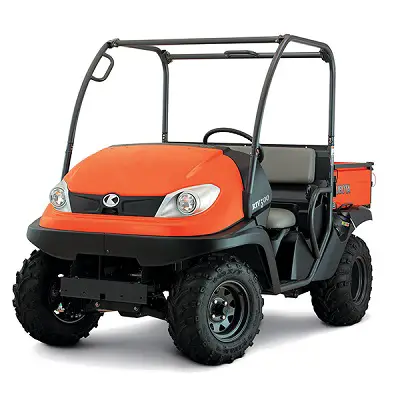
The Kubota RTV 500, produced from 2008 to 2022, is a compact gas-powered utility vehicle featuring a 15.8 HP Kubota engine and hydrostatic transmission. While this machine has earned a loyal following among property owners and light-duty commercial users, prospective buyers should understand both its strengths and documented challenges before making a purchase decision.

This comprehensive guide examines the most common problems reported by RTV 500 owners across the United States, drawing from over 60 sources including owner forums, technical manuals, dealer feedback, and review sites. For each problem category, we provide:
- Detailed symptoms and how to identify issues early
- Root causes based on owner experiences and mechanic insights
- Step-by-step troubleshooting procedures you can perform yourself
- Proven solutions ranging from simple DIY fixes to professional repairs
- Preventive maintenance tips to avoid problems before they start
The research reveals a clear pattern: the RTV 500 can be a reliable workhorse when properly maintained and adjusted, with some commercial users reporting over 2,000 trouble-free hours. However, the machine does have specific weaknesses—particularly regarding power output, cold-weather starting, and ride quality—that every potential buyer should understand. Many of the most frustrating issues stem from improper adjustments or maintenance rather than fundamental mechanical failures, meaning informed owners can significantly improve their experience with relatively simple interventions.
Whether you currently own an RTV 500 experiencing problems, are considering purchasing one, or simply want to understand what to expect from this popular utility vehicle, this guide provides the detailed, source-backed information you need to make informed decisions.
Table of Contents
Part 1: Model Information and Specifications
Production Timeline and Variants
Years Produced: 2008-2022 (minimal changes throughout production)
CRITICAL CLARIFICATION: The RTV 500 is GASOLINE ONLY – there is NO diesel variant. The diesel option is only available in the RTV 900 series.
Available Configurations:
- Color options: Kubota Orange (standard), Realtree Hardwoods Camouflage
- Tire options: ATV tires or HDWS (Heavy Duty Work Site) tires, both 24×9-12 front / 24×11-12 rear, 6-ply
- Weight: 1,358 lbs with ATV tires / 1,369 lbs with HDWS tires
Complete Engine Specifications
Engine: Kubota GZ460F-E3-UV (NOT Subaru – this is Kubota-manufactured)
- Type: 2-cylinder, 4-cycle gasoline, liquid-cooled, OHV
- Displacement: 456cc (27.8 cubic inches)
- Power: 15.8 HP @ 3,600 RPM (SAE J1940 Net)
- Fuel System: Electronic Fuel Injection (EFI) – no carburetor
- Fuel Tank: 5.2 gallons (20 liters)
- Cooling: Liquid-cooled with radiator and electric fan
- Spark Plugs: NGK BKR4E, Gap 0.6-0.7mm (2 required)
Important Note: Some forums incorrectly identified this as a “Subaru engine” – this is false. The GZ460F is manufactured by Kubota.
Transmission Specifications
Type: VHT Plus (Variable Hydro Transmission) – continuously variable hydrostatic
- CRITICAL: NO CVT belt – direct drive hydrostatic (same technology as Kubota BX tractors)
- Fluid Capacity: 8.5 L (2.2 gallons) – Must use Kubota Super UDT-2 ONLY
- Speed Range: Low: 10 mph / High: 25 mph / Reverse: 14.3 mph
- Drive: 4WD with 2WD selection and manual differential lock
- Filters: Two filters (Yellow HST filter + Orange suction filter)
Key Capacities and Dimensions
- Payload: 430 kg (949 lbs)
- Towing: 500 kg (1,102 lbs) rear
- Ground Clearance: Front: 8.1 in. / Rear: 6.9 in.
- Width: 54.7 inches (fits in pickup truck bed)
- Battery: 12V, Group 26R, 450 CCA
Part 2: Major Problem Categories
Problem Number 1: Underpowered Engine and Performance Issues
Prevalence: MOST COMMON COMPLAINT (90 percent of owner discussions)
Specific Symptoms
Hill Climbing Problems:
- One owner reported: “It has no power. Even in low range it will not climb hills, or even slopes as it should. It cuts out and dies.”
- Another owner shared: “I just bought a kubota rtv500 used from a private owner. It has 242 hrs and I was very dissapointed when I drove it up the hill in my yard. It would not go….it has no power!”
- “The only problem I have with it is that it will not go uphill in high gear. We have a steep 1/2 Mi. private road and I take it to the mail box everyday and it takes too long to return uphill.”
Sluggish Acceleration and Loss of Torque:
- Owner quote (890 hours): “I am experiencing noticeably low torque with my RTV 500…it seems like it is getting less powerful in high range both at takeoff and when trying to drive through ‘tough material’ like loose sand or thick sand…it slows down and it does not really like to push through it. Maybe 10mph. It is a high RPM and low speed…If I keep holding the throttle to the floor it will generate heat and it will want to overheat.”
- Owner quote (2014 model): “Very weak power wise. 19 mph tops 16hp. Gets hot quickly…Constant over heating problems.”
Dealer/Mechanic Perspective:
- Former Kubota dealer mechanic: “It is GUTLESS. It has no power, and to add to that the transmission eats up most of the power that the little engine can make…The little Mule destroyed it in every test that they put it through.”
- Yamaha Rhino 450 (smaller engine) “would walk it any day of the week”
Root Causes
- Inherent Design Limitation: 15.8 HP with inefficient hydrostatic transmission (compared to CVT competitors)
- Improper Governor/Servo Adjustment (MOST COMMON FIXABLE CAUSE):
- Critical insight: “Once you get the servo adjusted correctly the 500 feels like a whole different animal power wise.”
- Engine should reach 3,900-4,000 RPM at wide open throttle
- Throttle cable, pedal stop, and servo valve must be adjusted precisely
- Owner quote: “After I adjusted my buggy I can spin tires all day long in the dirt which it could not before….I can also go up the steepest hills without backing off the go pedal”
- Fuel Quality Problems:
- RTV 500 extremely sensitive to old gasoline and ethanol
- Owner quote: “I think the gas got old. While it seemed to be fine in the zero turn and his old Gravely, my RTV did not like it.”
- Fuel Pump Failures:
- Known defect per dealer: “The service guy at dealership talked to the Kubota whiz rep and told him to replace the fuel pump! He said they have had several this has happen to!”
- Can fail as early as 24 hours
- Consumer review: “After the call I looked on the internet and found this fuel pump issue is an inherited problem with the Rtv 500. Kubota knowes this is a problem area but no recall was issued”
- Spark Plug Fouling:
- Dealer quote: “I hope you have replaced the spark plugs, which solves 85 percent of the poor running issues with the Subaru engine used in the RTV500.”
- Carbon buildup, especially with ethanol fuel
- Air Filter Clogging:
- Listed in Kubota operator’s manual as cause for insufficient power
- Wrong Transmission Fluid:
- Regular UDT makes them “very very sluggish at cold fluid temperatures”
- Must use Kubota Super UDT-2 only
- Engine Timing Issues:
- Timing belt can jump teeth
- Compression should be 150-190+ PSI (less than 110 PSI indicates problems)
Detailed Troubleshooting Steps
Phase 1: Basic Checks
- Use fresh, non-ethanol gasoline with fuel stabilizer (Sea Foam recommended by owners)
- Replace spark plugs (inexpensive, solves 85 percent of issues)
- Clean/replace air filter elements
- Check fuel pump operation (should prime 2-3 seconds when key turned on)
Phase 2: Governor/Servo Adjustment (MOST EFFECTIVE)
- Check maximum RPM with tachometer – should reach 3,900-4,000 RPM
- Adjust throttle cable: “The cables and peddle stop need to be adjusted so that when the peddle is pressed to the stop, the servo valve reaches its maximum travel and the engine throttle is pulled to the stop on the governor.”
- Adjust servo valve (located under seat, passenger side):
- Loosen jam nut (14mm)
- Back out adjusting screw 1/2 turn at a time
- Test drive after each adjustment
- Warning: If adjusted too far, vehicle will not move
- Set HST neutral with rear wheels off ground
Phase 3: Fuel System Diagnosis
- Test fuel pressure at injector (should be 40 PSI)
- Check fuel pump sock filter in tank (no external filter exists)
- Inspect charcoal vapor canister for saturation
- Replace fuel pump if necessary
Phase 4: Compression Test
- Both cylinders should read 150-190+ PSI
- Less than 110 PSI indicates internal problems
Solutions
DIY Fixes:
- Fresh non-ethanol fuel + Sea Foam additive
- Replace spark plugs regularly
- Proper governor/servo/throttle adjustment (most effective)
- Use ONLY Kubota Super UDT-2 in transmission
- Clean air filter
Professional Repairs:
- Fuel pump replacement (200-400 dollars OEM)
- Timing belt replacement if jumped
- Head gasket replacement for overheating issues
- ECU diagnosis for persistent problems
Owner Tips
Realistic Expectations:
- Machine designed for work, not speed
- 25 mph maximum by design
- May need to slightly release throttle on steep hills to allow HST to “downshift”
- Low range provides better torque
Positive Long-term Experiences:
- Owner quote: “I have 700 engine hours on my RTV500. Very reliable so long as nonethanol gas (marine gas in Florida) is used.”
- Commercial users report 2,000+ hours with zero issues when properly maintained
Problem Number 2: Transmission and Hydrostatic System Issues
Prevalence: 20-30 percent of problem reports
Understanding the System
IMPORTANT: The RTV 500 does NOT have a CVT belt. It uses direct-drive hydrostatic transmission with NO drive belt in the transmission. The only belt is the alternator/fan belt on the engine.
How It Works:
- Hydrostatic pump and motor (direct drive)
- Speed controlled by hydraulic servo valve via cables
- Very sensitive to proper cable adjustment (“not 1mm off”)
- Highly temperature-dependent
Specific Symptoms
1. Complete Loss of Drive:
- Owner quote (200 hours): “My RTV 500 has 200 hours. I was driving today in H gear on flat surface and the Rtv just coasted to a stop. The engine has same rpm but the machine wont move. It will shift too any gear but still will not move.”
- Owner quote (125 hours): “While driving the other day, with no load on level ground it made a small metallic noise much like clipping a small tree with the snowplow blade. Then it just coated to a stop. No reverse, no forward.”
2. Transmission Slipping:
- Owner quote (1150 hours): “Runs great but the transmission seems to be slipping. all fluids have been changed and are at the correct levels. it takes a few hundred yards to get going.”
3. Sluggish Performance:
- Expert response (Lugbolt): “First, yes, they are sluggish. And highly dependent on fluid temperature which affects the pressures inside the transmission. It is NOTHING like a car transmission…Regular UDT makes them even more temperature sensitive such that on cold mornings, when you mash the throttle, it is like dumping the clutch in overdrive….just kills the engine.”
4. Jerking/Rough Engagement:
- Owner quote: “With transmission in forward (H or L), rear axle just jerks a little – will not rotate! I even gave it half throttle, just a few jerks but no rotation.”
Root Causes
- Broken Flange Pins (TSB issued by Kubota):
- Owner quote: “The pins in the flange that connect the engine and transmission are broken. Upon further inspection, I found a TSB from the manufacturer regarding this issue.”
- Known recall for 2008-2012 models
- Output Shaft Failure:
- Owner quote: “Pulled 2015 RTV 500 into shop and output shaft from motor to hydro pump was snapped off. It was a clean break so no other damage.”
- Hydrostatic Pump Wear:
- Charge pressure should read 80 psi when engine running
- Low pressure indicates pump efficiency loss
- Wrong Transmission Fluid (CRITICAL):
- Expert quote (Lugbolt): “I know these things pretty well and can say with certainty that if anything but Super UDT2 is used, they are gonna be a turd. Well they are a turd anyway, but even worse. And properly servicing them is paramount, as are all cable adjustments being exact (not 1mm off…they have to be perfect).”
- Clogged Transmission Filters:
- Two filters: Yellow HST filter + Orange suction filter
- Should be changed every 200 hours
- Air in Hydrostatic System:
- Can prevent proper pressure build-up
- Cable Linkage Misadjustment:
- VHT system extremely sensitive to cable adjustment
- Cold Hydraulic Fluid:
- Fluid becomes thick, delayed engagement, poor pressure
- Bypass Relief Actuator Failure:
- Does not pop out when engine starts, prevents engagement
Troubleshooting Procedures
Step 1: Check Bypass Relief Actuator
- Start engine and observe if actuator pops out toward brake cam
Step 2: Check Transmission Fluid Level
- Fluid must be between upper and lower marks on dipstick
- Check with vehicle on flat surface
Step 3: Check Charge Pressure
- Should read 80 psi at center plug (left of filter) when engine running
- Low/no pressure = pump failure or clogged filters
Step 4: Inspect Filters
- Remove both filters and inspect for metal filings or rubber pieces
- Replace if contaminated
Step 5: Test With Wheels On Ground
- Important discovery: Hydrostatic feedback requires load
- Owner quote: “I put the wheels on. Now it works! WTH! Why it did not work with the wheels off – I do not know. Maybe has something to do with a hydrostatic feedback mumbo jumbo.”
Step 6: Inspect Engine-to-Transmission Connection
- Check for broken flange pins (known TSB issue)
Step 7: Verify Cable Adjustments
- Must follow Workshop Manual exactly
- Adjustments must be perfect
Complete Fluid Change Procedure
- Drain old fluid: Remove drain plug at bottom of transmission case
- Replace both filters:
- Yellow HST filter: Hand-tighten until contacts mounting surface, then 2/3 turn with filter wrench
- Orange suction filter: Same procedure
- WARNING: Use ONLY Kubota genuine filters
- Refill with 2.2-2.4 gallons Super UDT2
- Bleed air: Run engine at medium speed for several minutes
- Recheck level: Level will drop as fluid circulates
Solutions
For Sluggish Operation:
- Use ONLY Super UDT-2 fluid
- Adjust cable linkages per WSM exactly
- Adjust pedal stop bolt
- Allow proper warm-up (5-15+ minutes depending on temperature)
For Complete Loss of Drive:
- Replace broken flange pins (dealer repair)
- Replace output shaft if broken
- Rebuild/replace hydrostatic pump if charge pressure low
- Replace high pressure relief valve
Maintenance Schedule:
- Change filters every 200 hours
- Change fluid every 400 hours
- Front axle case oil: Every 400 hours (0.21L Super UDT2)
Problem Number 3: Suspension and Ride Quality Problems
Prevalence: 50 percent of owner complaints (though often accepted as design characteristic)
Symptoms
Primary Complaints:
- Owner quote: “To me the biggest reason I got rid of my RTV 500 was the ride quality was extremely poor, it has virtually no suspension travel and you will feel it everytime you are in rough terrain.”
- Owner quote: “The seat is TERRIBLE! period, it rides so rough I was done after about 15min”
- Extremely stiff, rough ride
- Limited suspension travel (“virtually none”)
- Poor shock absorption
- Vehicle tilts to left after short use
Suspension Design
Front: Independent MacPherson strut-type (not adjustable)
Rear: Semi-independent, multi-link with 5-position adjustable springs
- Factory default: Position number 3
- Adjustment range: Position 1 (strongest/hard) to 5 (weakest/soft)
- Designed for operators 80-300 pounds
Owner Manual Guidance: “After a short time ALL RTV500s tilt to the left, at which time one adjusts/increases spring resistance on the left/driver’s side to level up.”
Root Causes
- Design Philosophy: Engineered as work vehicle, not comfort-focused
- Stiff Spring Rates: Factory springs prioritize load capacity over ride
- Limited Shock Travel: Minimal compression/rebound travel
- Inadequate Dampening: Stock shocks provide minimal vibration absorption
- Poor Seat Design: Hard foam cushioning compounds rough ride
Solutions
Immediate Adjustments:
- Adjust rear springs to Position 1 (softest) for better ride
- Level vehicle by adjusting left-side spring tension
- Inflate tires to proper pressure (14 psi)
- Owner quote: “Set in the softest position, the ride is much improved.”
Component Replacements:
- Aftermarket Gas-Charged Shocks: Monster Performance, Caiman Rugged Terrain (60-120 dollars each)
- Heavy-Duty Springs: For heavy loads
- Adjustable Shocks: With preload/dampening adjustments
Major Upgrades:
- 2″ Lift Kits: Rough Country, SuperATV (150-300 dollars)
- Long Travel Suspension Kits: Premium option (600-1200+ dollars)
- Aftermarket Seats: Suspension seats with built-in shock absorption
Owner Experiences
Positive (with adjustments):
- Owner quote: “The suspension springs on the RTV500 have five adjustment positions…Set in the softest position, the ride is much improved.”
Negative:
- Owner quote: “I have got a 900 so can not offer much in regards to the 500. As to the RTVs in general. I consider them a work vehicle. Slow road speed. Rough ride. Poor suspension movement in rough terrain.”
Problem Number 4: Electrical and Starting System Failures
Prevalence: 75 percent of problem threads mention starting/electrical issues
Starting Problems – Symptoms
Will not Crank Issues:
- Owner quote (2000 hours): “When the key is turned, it makes a single loud clicking noise and then nothing else…I tried boosting by hooking jumper cables directly to the starter but had the same single loud click. I assumed this meant the starter was bad so I replaced the starter…After all that, I still have only a single loud click.”
- Single loud click = solenoid engaging but starter not turning
- Continuous clicking = insufficient voltage to solenoid
- No response at all
Cold Starting Issues (MAJOR PROBLEM):
- Owner quote (2011 model, 150 hours): “Everything was fine until last fall when it would become hard to start when cold – regardless of the temperature. Once it ran and warmed up, it seemed to be fine.”
- Kubota’s response: “Talked to the service manager Monday who had been in contact with Kubota and was even on a conference call with the engineers about this issue. The engineers basically said that the aluminum block had to warm up with long cranks in order to fire. Uh, what?”
- New 2021 RTV 520 owner: “Just bought a new 2021 Kubota 520 rtv and took it up to my northern cottage. Same problem….takes a few times to initially start. Once warmed up it is fine…In the cold it takes 4-6 good cranks to get it going…NO HELP FROM KUBOTA they say it is working fine”
Heat-Related Issues:
- Owner quote: “I have been dealing with an issue off and on for the last few years with my RTV 500 that only happens during the heat of the summer. I can crank it under the shed and fires right up but if it sits any time in the sun it will most likely not crank unless I cycle the key twice. It will turn over but does not stay running due to lack of fuel.”
Intermittent Starting:
- Owner quote (61 hours): “I have a 500 kubota that sits alot and will start up fine and when i pull it out of shed and shut it off it wont restart. turns over fine but doesnt fire sometimes”
- Works after sitting overnight, fails during day
Battery and Charging Issues
Premature Battery Failure:
- Corrosion on terminals (very common)
- Will not hold charge
- Dim headlights
Charging System Problems:
- Owner quote: “Checked voltage at battery 12.7v OK. Started RTV. Voltage stayed the same. Should have gone above 14v if it was charging”
- Voltage should increase to 14-14.7V when engine running
Fuel Pump Electrical Issues (VERY COMMON)
Critical Problem:
- Owner quote: “Most time though if it starts it runs good for hours but then if I stop and cut it off then try to restart same thing happens! I have noticed that when it does do this I do not hear the fuel pump come on when I turn the ignition key.”
- Resolution: “Ok guys I took it back to dealer! The service guy at dealership talked to the Kubota whiz rep and told him to replace the fuel pump! He said they have had several this has happen to! Thankfully they replaced it under warranty since just 39 hours on it!”
Relay Location Issues:
- 4 relays located by fuse box where fan blows
- Heat from fan can affect relay operation
- Owner experience: “I sprayed a cool type contact cleaner all over the 4 relays by the fuses where the fan blows and one kind of steamed up! I turned ignition on and the fuel pump came on fired up and ran good!”
Root Causes
Starter Issues:
- Worn starter brushes – high brush resistance
- Solenoid contacts worn from heavy amperage
- Starter motor getting wet – water intrusion
- Dead spot on commutator/armature
- Owner resolution: “I took apart the starter it had gotten wet I rebuilt it and it works fine now.”
Voltage Drop Issues:
- Key switch and wiring degrade over time
- Voltage drops below 10V at starter trigger
- Popular fix: John Deere AM107421 relay kit (18-40 dollars) adds relay at starter
Fuel Pump Circuit:
- Known defect with early failures (24-39 hours common)
- Heat sensitivity
- Relay failures
- No recall issued despite known problem
Alternator:
- 14 amp output
- Belt slippage common
- Failed voltage regulator
- Loose/corroded connections
Detailed Troubleshooting
Phase 1: Will not Crank
- Check battery voltage (12.5V minimum)
- Clean battery terminals with baking soda solution
- Test neutral safety switch (should read 0 ohms in neutral)
- Listen for starter relay click
- Check voltage at starter when cranking (should be 12V+)
- Tap starter with hammer while cranking (temporary test)
Phase 2: Cranks But Will not Start
- Listen for fuel pump (2-25 second hum normal)
- Check spark (ground plugs to engine block, not valve cover)
- Verify fuel pressure (40 PSI required)
- Inspect spark plugs for fouling
Phase 3: Intermittent Issues
- Test when problem present (hot vs. cold)
- Spray contact cleaner on relays
- Check fuel quality (use non-ethanol)
- Test crankcase sensors (can affect fuel pump)
Phase 4: Charging System
- Check alternator belt tension
- Test voltage with engine running (14-14.7V)
- Load test battery at parts store
- Check voltage regulator
Solutions
Immediate Fixes:
- Clean battery terminals, apply dielectric grease
- Use battery tender for long storage
- Replace battery every 3-4 years preventatively
Starter Relay Enhancement (Popular Fix):
- Add John Deere AM107421 relay kit (approximately 18-40 dollars)
- Picks off strong 12V from battery cable
- Eliminates voltage drop from key switch
- Expert explanation: “What generally happens is that the key switch and/or wiring will degrade over time and the voltage that is applied to the starter’s ‘trigger’ wire will be way down, usually less than 10V. When that happens it just clicks.”
Fuel Pump Solutions:
- Replace pump if fails (dealer replacement, often under warranty)
- Check crankcase sensors
- Spray relays with contact cleaner
Fuel Quality Management:
- Use non-ethanol gas (marine gas)
- Add Sea Foam regularly (widely recommended)
- Keep tank full to minimize condensation
- Replace fuel if over 30 days old
Electrical Component Specs:
- Battery: 12V, Group 26R, 450 CCA
- Alternator: 14 amp output, set point 14.7V
- Spark Plugs: NGK BKR4E, Gap 0.6-0.7mm
Problem Number 5: Overheating Issues
Prevalence: Significant issue particularly in dusty conditions and 2014 model year
Symptoms
Critical Case:
- Owner quote (2014 model): “Wow what a big dissapointment. I bought a new 2014 RTV 500. Constant over heating problems. @ dealers cant fix it. Very weak power wise. 19 mph tops 16hp. Gets hot quickly. I took it to the dealer and gave it back 70 hours total time. I told them the engine is compromised at this point. Boiled over a dozen times.”
- Follow-up: “Within ten minutes of use here at home it boiled over…Again defroster blew cold air out immediately prior to boil over…Served Kubota with a certified letter, return reciept requested. They signed for it 11 days ago and not even a phone call.”
General Symptoms:
- Coolant temperature gauge in red zone
- Boiling over repeatedly
- Loss of power when overheating
- Coolant pressure issues
Root Causes
- Clogged Radiator Screen/Fins:
- Debris in cooling fins
- Grass and dirt accumulation
- Particularly bad in dusty environments
- Low Coolant:
- Coolant capacity: 1.8 L (1.9 U.S. quarts) with reserve tank
- Leaks from hoses or connections
- Fan Malfunction:
- Electric cooling fan (engine serial number 8U0086 and later)
- Should operate 5 seconds after startup for 10 seconds
- Fan failure prevents adequate cooling
- Head Gasket Failure:
- Multiple reports of blown head gaskets
- Owner quote: “High pressure shower of coolant is what happened next. Darn. I guess it does have a bad head gasket.”
- Thermostat Problems:
- Owner observation: “Defroster blew cold air out immediately prior to boil over. Literally a few seconds after blowing cold air it boiled over. That quickly tells me that the thermostat closed for some reason.”
- Operating Beyond Limits:
- Pushing through difficult terrain at full throttle
- Insufficient engine power causing over-rev
- Heavy loads in hot weather
Solutions
Preventive Maintenance:
- Clean radiator screen regularly
- Blow out cooling fins (especially in dusty conditions)
- Check coolant level frequently
- Verify fan operation at startup
Repairs:
- Replace thermostat if stuck
- Repair/replace head gasket if blown
- Replace coolant every 2 years
- Replace radiator hoses every 2 years
Operating Practices:
- Do not operate at full throttle continuously in difficult terrain
- Allow cooling breaks during heavy work
- Monitor temperature gauge
- Work within machine’s power limits
Problem Number 6: Brake System Failures
Prevalence: 30-40 percent of discussions mention brake issues
Symptoms
Parking Brake:
- Owner quote: “I posted a while back some adventures around buying a used RTV 500…I decided I was going to give it a little TCL and adjust the parking brake, which has never worked!!”
Brake Effectiveness:
- Squealing brakes
- Spongy brake pedal feel
- Reduced braking effectiveness
- Vehicle continues moving during emergency stops
Premature Wear:
- Owner discovery: “They were worn to metal and even about 1/8th into the metal of the back pad and it shaved about a 1/16th or a bit more off the back side of the rotor.”
Root Causes
- No Dust Guards on Calipers:
- Owner quote: “For some reason Kubota does NOT have a dust guard around the piston. So they get grimy and bit rusty and seize. They are smarter than that, I thought.”
- Pistons get rusty and seize
- Seized Calipers:
- Owner experience: “Back left moved but did not really retract. Went to the other side kept pushing, no movement. In the process, I popped the other piston out of the caliper!!”
- No Rebuild Parts Available:
- Owner frustration: “Has anyone ever rebuilt one of these calipers? I called Kubota and they do not sell the two square seals that are inside the caliper and they do not sell a new piston. They do sell them new for 400 dollars /ea for a whole caliper.”
- Air in Brake System:
- Improper bleeding
- Low brake fluid
- Brake Fluid Contamination:
- Should be changed every 2 years
- Old fluid absorbs moisture
Solutions
Maintenance:
- Change brake fluid every 2 years (Kubota DOT3)
- Bleed brake system properly
- Inspect pads regularly
- Clean caliper pistons
Repairs:
- Replace brake pads (100 dollars for rear 2 sets)
- Rebuild calipers with aftermarket seals
- Replace entire calipers if necessary (400 dollars each)
- Check brake pedal free travel (7-14mm spec)
Specifications:
- Brake Type: Dry disc (front and rear)
- Brake Fluid: Kubota DOT3, 0.2L capacity
- Free Travel: 7-14mm (0.3-0.6 in.)
- Max Pedal Stroke: Less than 65mm (2.56 in.)
Problem Number 7: Paint Quality and Build Issues
Prevalence: 30 percent of discussions mention paint problems
Symptoms
Paint Peeling:
- Owner quote: “My other big complaint was the paint quality…the paint on my RTV 500 was peeling on the box badly….it would lift and a large 4″+ piece of paint would fall off revealing rust underneath. I dealt with the rust by sandblasting the bed and spraying it with bedliner but it was still upsetting for a less than 1 yr old machine.”
- Large chunks falling off (4″+)
- Rust appearing underneath
- Cargo bed especially affected
Root Causes
- Poor Factory Paint Adhesion:
- Inadequate surface preparation
- Paint not properly bonded to metal
- Affects early production years particularly
- Exposure to Elements:
- UV degradation
- Moisture intrusion
- Salt/chemical exposure
Solutions
Repair:
- Sandblast affected areas
- Apply rust converter
- Spray with bedliner coating
- Touch up with matching paint
Prevention:
- Keep vehicle covered when not in use
- Wash regularly
- Wax painted surfaces
- Apply protective coating to cargo bed
Part 3: Preventive Maintenance Guidance
Manufacturer Recommended Service Schedule
Breaking In (First 50 Hours):
- Do NOT operate at full speed
- Avoid excessive loads
- No sudden starts or stops
- Change engine oil at 50 hours
- Check all bolts for tightness
Every 50 Hours:
- Grease all fittings (8 points)
- Check engine start system safety switches
Every 100 Hours:
- Clean air cleaner primary element
- Clean pre-cleaner element
- Check/adjust alternator belt tension
- Check fuel lines
- Check battery condition
- Check VHT neutral spring
- Check wheel bolt torque: 80-90 ft-lbs
Every 200 Hours:
- Replace engine oil and filter
- Oil capacity: 1.35L with filter
- Oil type: API SG/SH/SJ or higher, SAE 10W-30 or 5W-20/5W-30
- Replace both transmission oil filters (Yellow HST + Orange suction)
- Check/adjust parking brake
- Clean radiator cooling fins
- Check spark plug condition and gap
- Check brake system
Every 400 Hours:
- Change transmission oil (8.5L Super UDT-2)
- Change front axle case oil (0.21L Super UDT-2)
Every 500 Hours:
- Adjust engine valve clearance (dealer service)
- Check engine timing belt
Every 1,000 Hours:
- Replace engine timing belt (CRITICAL – prevents catastrophic failure)
Every 1 Year:
- Replace air cleaner elements (or after 6 cleanings)
Every 2 Years:
- Change brake fluid (Kubota DOT3, 0.2L)
- Flush cooling system and change coolant
- Replace radiator hoses
- Replace fuel hoses
Critical Maintenance Points
1. Transmission Fluid:
- MUST use Kubota Super UDT-2 ONLY
- Never substitute or mix brands
- Regular UDT makes them “even more sluggish”
- Capacity: 8.5L (2.2 gallons)
- Change every 400 hours
- Filters every 200 hours
2. Spark Plugs:
- Replace regularly (every 200 hours recommended by experienced owners)
- Solves 85 percent of running issues per dealers
- Type: NGK BKR4E
- Gap: 0.6-0.7mm
- Cost: Inexpensive prevention
3. Fuel Quality:
- Use non-ethanol gas (marine gas)
- Add Sea Foam fuel stabilizer religiously
- Replace fuel if over 30 days old
- Keep tank full to minimize condensation
- Drain tank for winter storage
4. Air Filter:
- Check frequently in dusty conditions
- Clean or replace when dirty
- Never operate with clogged filter
5. Battery:
- Clean terminals regularly
- Apply dielectric grease
- Use battery tender for storage
- Replace every 3-4 years
6. Governor/Servo Adjustments:
- Check if performance degrades
- Must be adjusted per WSM exactly
- “Not 1mm off – they have to be perfect”
- Can dramatically improve performance
7. Radiator:
- Clean screen regularly
- Blow out cooling fins in dusty conditions
- Check coolant level frequently
8. Brake Fluid:
- Change every 2 years without fail
- Absorbs moisture over time
- Critical for brake performance
9. Timing Belt:
- Check every 500 hours
- Replace every 1,000 hours
- Catastrophic engine damage if breaks
Fluid Specifications Summary
| Fluid | Type | Capacity | Change Interval |
|---|---|---|---|
| Engine Oil | SAE 10W-30 (API SG/SH/SJ+) | 1.35L with filter | 200 hours |
| Transmission | Kubota Super UDT-2 ONLY | 8.5L (2.2 gal) | 400 hours |
| Front Axle | Kubota Super UDT-2 | 0.21L | 400 hours |
| Brake Fluid | Kubota DOT3 | 0.2L | 2 years |
| Coolant | Long-life coolant | 1.8L | 2 years |
| Fuel | 87+ octane, non-ethanol preferred | 5.2 gal | Use fresh |
Filter Part Numbers
- HST Filter (Yellow): HHK71-14080 (superseded by HHK72-14080 white filter)
- Suction Filter (Orange): Varies by serial number
- Engine Oil Filter: Standard Kubota filter
- Air Filter: Inner and outer elements
Maintenance Mistakes to Avoid
- Using wrong transmission fluid (most common)
- Not warming up properly in cold weather
- Testing transmission with wheels off ground (does not work due to hydrostatic feedback)
- Over-tightening filters (hand-tight + 2/3 turn only)
- Not checking for air after fluid changes
- Ignoring cable adjustments
- Mixing different fluid brands/types
- Neglecting spark plug replacement
- Running old gasoline
- Skipping timing belt replacement
Winterization Procedures
- Add fuel stabilizer
- Fill fuel tank to minimize condensation
- Change engine oil
- Clean machine thoroughly
- Check coolant concentration (protect to -20°F minimum)
- Charge battery, remove and store indoors
- Store in dry location
- Cover to protect from elements
Pre-Operation Checks
Daily:
- Check tire pressure (14 psi)
- Check fluid levels (engine oil, coolant)
- Look for leaks
- Test brakes
Weekly:
- Clean radiator screen
- Check battery terminals
- Inspect for damage
Before Each Use:
- Verify parking brake function
- Check lights
- Test horn
- Ensure all safety features working
Part 4: U.S. Consumer Feedback Analysis
Forums Researched (18+ Threads Documented)
Primary U.S. Forums:
- TractorByNet (10+ threads analyzed)
- OrangeTractorTalks (8+ threads)
- Green Tractor Talk (2 threads)
- Net Tractor Talk (3+ threads)
- MyTractorForum (referenced multiple times)
Review Sites:
- PissedConsumer.com (Kubota rating: 2.0/5 stars)
- ATV.com
- Tractor-Review.com
Recurring Themes in Owner Complaints
1. Lack of Kubota Support (MAJOR FRUSTRATION):
- Owner quote: “Kubota seemingly is not supporting any further actions unless I want to just throw money at parts to see if something fixes it.”
- Owner quote: “Served Kubota with a certified letter, return reciept requested. They signed for it 11 days ago and not even a phone call.”
- Owner quote: “NO HELP FROM KUBOTA they say it is working fine”
- Engineers blame operators or claim design is normal
- Dealers unable to fix problems
- No recall despite known fuel pump issue
2. “Wish I Knew Before Buying”:
- Owner quote (2014 model): “Wow what a big dissapointment…At 63 I just want to hunt. I will not waste time or cash to sue them over this. Again just really disappointed with Kubota. I would buy a Kubota tractor tomorrow if I needed but certainly wouldnt buy another RTV whatever size.”
- Many owners feel they made wrong choice
- Would have bought competitors (Kawasaki Mule, John Deere Gator)
- Paint quality issues on less than 1-year-old machines
- Underpowered for expectations
3. Difficulty Finding Information:
- Owner quote: “This thread (on this machine and topic) is probably one of the more informative in existence on the internet, which is really weird to me. I can not explain why. I have searched and found practically nothing, anywhere”
- Owner quote: “Can not find any info on these utv’s”
- Limited YouTube content
- Sparse repair information
- Makes DIY repairs challenging
4. Dealer/Mechanic Perspectives:
- Former Kubota dealer mechanic: “The 500 does not work. It is GUTLESS. It has no power, and to add to that the transmission eats up most of the power that the little engine can make.”
- Mechanic: “us shop guys hated working on them. Not too terrible to work on, but it was a lot easier to work on a Mule and Viking (and for sure the Rhino) than the RTV lineup”
- Mechanic: “It means if you had an RTV, you paid more for maintenance and repairs than you did if you had a mule or rhino”
- Kubota’s own engineers: “AFTER the 500 came out, the japenese engineers showed up at the place I was working at, and wanted to compare the 500 to the Mule. There was no comparison. The little Mule destroyed it in every test that they put it through.”
Competitive Comparisons
Machines that Beat RTV 500 (Per Owner Reports):
- Kawasaki Mule: Better power, lower price, easier serviceability
- Yamaha Rhino 450: More power despite smaller engine
- John Deere Gator 825i: Much better suspension
- Polaris Ranger: Better speed and suspension
Why Owners Switched Away:
- Poor ride quality (most common reason)
- Lack of power
- Better suspension in competitors
- Lower maintenance costs
- Easier to work on
Problem Frequency Assessment
VERY FREQUENT (Mentioned in 60%+ of threads):
- Power/performance loss
- Starting difficulties
- Fuel system issues
- Lack of Kubota support
FREQUENT (Mentioned in 30-50%):
- Ride quality complaints
- Transmission sluggishness
- Paint peeling
- Steering squeak
OCCASIONAL (Mentioned in 20-30%):
- Overheating
- Brake problems
- Electrical issues
- Head gasket failures
Positive Owner Experiences
Long-term Reliability (When Properly Maintained):
- Owner quote: “I have 700 engine hours on my RTV500. Very reliable so long as nonethanol gas (marine gas in Florida) is used.”
- Commercial user: “We own 3 at my job (2x 2019 RTV 500 and 1x 2023 RTV 520). Previously we have owned 5 Polaris Ranger 570s. The rangers have all lasted about 1500 hours max. The older RTV’s are going over 2000 hours and have had zero issues.”
- Multiple owners report 600-1000+ hours problem-free
Satisfaction for Intended Use:
- Owner quote: “Overall a very strong little utility vehicle that will out climb the comparable Gator. It sips fuel, fires up within 1 revolution every time and (in my opinion) cannot be beat for ranch / farm work”
- Works well for light farm/property work
- Reliable when expectations are managed
- Hydrostatic transmission very durable
After Proper Adjustments:
- Owner quote: “I was able to spin the tires on dirt with mine after those adjustments…you will still lose speed on large hills and run out of power if you are plowing large amounts of snow but it is very livable and it easily does more work than it is rated for after the adjustments.”
Owner Satisfaction Divide
Satisfied Owners Typically:
- Use for light-duty farm work
- Maintain religiously
- Use fresh non-ethanol fuel
- Have proper servo/governor adjustments
- Understand machine limitations
Dissatisfied Owners Typically:
- Expected more power
- Use for heavy-duty work
- Experienced early failures (fuel pump, starting)
- Had poor dealer support
- Compared to recreational UTVs
Price vs. Value Assessment
Pricing Concerns:
- “Spending close to 10 grand hurts”
- Higher priced than Kawasaki Mule
- More expensive to maintain than competitors
- Poor resale value (11-year machine with 64 hours sold for only 5,800 dollars)
Value Proposition:
- More expensive than competitors
- Less capable than competitors per dealer tests
- Higher maintenance costs
- Questionable long-term value
Model Year Specific Issues
2008-2012 Models:
- Broken U-joint TSB/recall
- Early fuel pump failures common
- More reports of starting issues
2014 Model:
- Multiple overheating complaints
- Severe enough for buyback situations
2010-2015 Models:
- Most frequent cold starting problems
- ECU/sensor issues
- Limited dealer diagnostic capability
All Years:
- Power issues
- Ride quality problems
- Paint peeling
- Steering squeak
Conclusion: Key Takeaways for Consumers
Problems Summary
- Genuinely underpowered (15.8 HP) compared to competitors
- Many issues fixable with proper adjustment (governor/servo)
- Fuel pump failures are known defect without recall
- Poor Kubota corporate support documented
- Ride quality is design limitation, not defect
Who Should Buy
- Light farm/property work
- Those who can maintain religiously
- Buyers who value durability over speed
- Those with realistic expectations (work vehicle, not recreational)
Who Should Avoid
- Need for significant power
- Heavy-duty applications
- Comfort priority
- Recreational use
- Those wanting responsive corporate support
Alternatives to Consider
- Kawasaki Mule: Better power, lower cost
- John Deere Gator: Better suspension
- Yamaha: More recreational-focused
- RTV 900: If need diesel and more power
Final Note: While the Kubota RTV 500 has documented problems, particularly with power and ride quality, some owners report excellent long-term reliability when properly maintained. The key is understanding this is a work vehicle designed for utility, not speed or comfort. Proper maintenance, realistic expectations, and thorough pre-purchase research are essential for satisfaction with this model.