
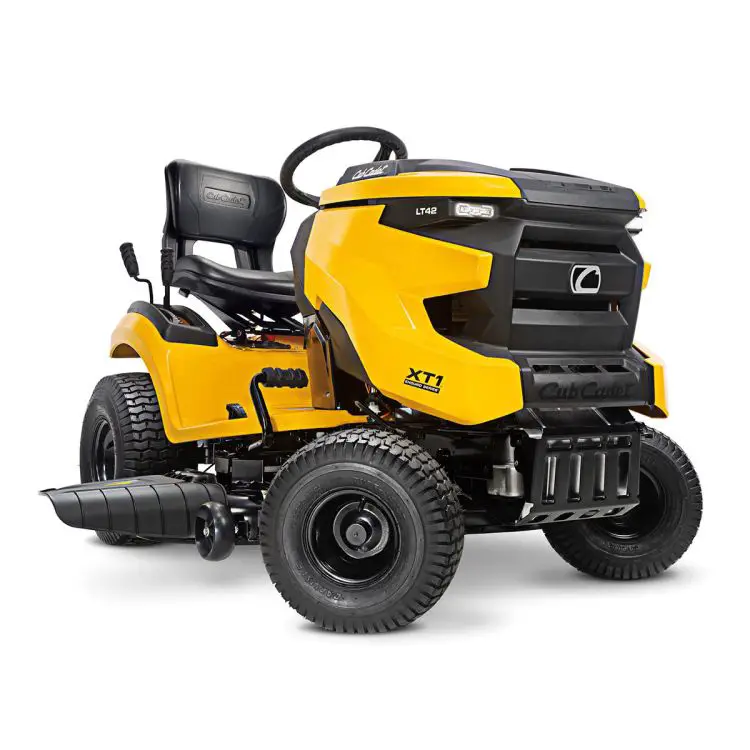
Cub Cadet IntelliPower represents a significant technological shift in residential lawn equipment—replacing traditional mechanical governor systems with sophisticated electronic control modules, sensors, and digitally-actuated carburetor components. This advanced system delivers up to 18% more available power through continuous digital monitoring and automatic engine speed adjustments. Like any sophisticated electronic system, IntelliPower requires understanding its unique architecture to effectively diagnose and resolve issues when they occur. Understanding these issues requires examining both the electronic architecture and the mechanical systems that IntelliPower controls, as proper diagnosis often involves checking multiple interconnected subsystems.

The IntelliPower system employs an Electronic Control Module (ECM, Part #751P18209C) mounted on the engine side, communicating with a dashboard-mounted potentiometer (Part #753-11125) to regulate engine output. The ECM controls two servo motors on the carburetor—one managing the electronic choke, the other controlling throttle position—replacing cables and linkages with digital signals. This architecture creates dependencies that traditional systems lack: adequate battery voltage becomes essential, sensor accuracy becomes critical, and wiring integrity directly impacts engine operation. When failures occur, they cascade through interconnected systems, making diagnosis significantly more complex than troubleshooting conventional carbureted engines.
Table of Contents
Throttle and speed selector problems
Symptoms
Throttle control failures represent the most frequently reported IntelliPower malfunction, manifesting through multiple distinct patterns. Intermittent throttle response—where the system functions properly initially but fails after five to ten minutes of operation—affects numerous owners, as documented extensively across multiple technical forums. The engine may respond correctly to the dashboard control knob at startup, cycling through idle, transport, cut, and power cut positions normally, then suddenly lose all throttle response mid-operation. More severe cases involve complete throttle control failure from initial startup, where moving the potentiometer knob through its full range produces no engine speed change whatsoever, leaving the engine stuck at idle regardless of operator input.
Excessive high RPM at startup presents another common symptom, where engines rev dangerously upon key-on, shaking violently as if the governor has failed completely. One owner with a three-day-old Cub Cadet XT1 reported, “When starting, the engine revs to excessive rpm and acts like the governor is stuck. Mower starts to shake like it will fly to pieces. Only let it run for a few seconds. Worried it will throw a rod.” This high-RPM condition may persist indefinitely or gradually settle after several seconds, indicating intermittent electronic control issues rather than mechanical governor failure.
The loss of throttle control after hot operation creates particularly frustrating scenarios. Machines operate normally for 45 minutes or longer, then become difficult or impossible to restart once stopped. When restart succeeds, throttle control often remains non-functional, forcing operators to complete mowing at idle speed or abandon the task entirely.
Causes
The potentiometer kit mounted on the dashboard represents the most common failure point in the throttle control system. This variable resistor component (Part #753-11125) communicates operator intent to the ECM by varying electrical resistance from 0.4 ohms to 10.4 kilohms as the control knob rotates. When the potentiometer fails—through internal wear, corrosion, or electrical degradation—it sends erratic or absent signals to the ECM, preventing proper throttle adjustment. Parts availability data reveals this component experiences frequent backorders lasting one month or longer, suggesting high failure rates across the IntelliPower fleet.
The ECM itself fails with significant frequency, particularly in units exposed to moisture, vibration, and temperature extremes inherent to outdoor power equipment operation. The control module contains multiple independent circuits governing choke operation, throttle control, and fuel solenoid activation. These circuits can fail independently or simultaneously, creating complex symptom patterns. Circuit board failures often result from power surges during jumpstarting procedures, low battery voltage stressing electronic components over time, or moisture infiltration through inadequate sealing.
Servo motor failures on the carburetor represent mechanical breakdowns within the electronic system. Two dedicated servo motors—one controlling the outer butterfly valve (choke function) and one controlling the inner butterfly valve (throttle function)—actuate based on ECM commands. When servo motors fail, typically after 20 to 85 hours of operation according to documented cases, the associated butterfly valve ceases movement. A mechanic with extensive small engine experience reported examining a 20-hour IntelliPower mower: “Upon (KEY ON) only the outside to filter one goes through that close then reopen to proper amount startup routine, but the inside one does not, (and it was closed upon removal of carb) so it had flooded the whole head.” This indicates complete servo motor death rather than partial degradation.
Low battery voltage affects IntelliPower operation far more severely than traditional carbureted systems. The electronic controls require minimum voltage thresholds to operate servo motors and process sensor inputs. When battery charge drops below approximately 12.4 volts, the system may exhibit intermittent failures, slow throttle response, or complete non-function despite the engine cranking normally.
Troubleshooting steps
Begin throttle control diagnosis with the simplest intervention: the battery reset procedure. Disconnect the negative battery cable, wait ten minutes to allow capacitors in the ECM to fully discharge, then reconnect. This resets the IntelliPower computer controls and resolves approximately 30-40% of intermittent throttle issues. One owner successfully resolved high-RPM startup problems using this method: “I disconnected the battery cable for about 10 minutes then re-connected. This should reset the computer controls for the ‘Intellipower’ sensors. The mower started up with high rpm, then settled back to a normal rpm after about 3 seconds.”
Verify battery voltage using a multimeter with the engine off (should read 12.6 volts or higher on a fully charged battery) and with the engine running (should read 13.5-14.5 volts indicating proper charging system operation). Low voltage during either test indicates battery replacement or charging system repair is necessary before proceeding with other diagnostics, as all subsequent tests require adequate electrical power.
Test the potentiometer by disconnecting its wiring harness and measuring resistance across the terminals while rotating the control knob through its full range. The resistance should vary smoothly from approximately 0.4 ohms in one position to 10.4 kilohms in the opposite position. Erratic readings, infinite resistance, or no variation indicates potentiometer failure requiring replacement.
Inspect servo motor operation by removing the air filter housing to visually observe both carburetor butterfly valves. Turn the ignition key to the ON position without engaging the starter. The outer butterfly valve (facing the air filter) should close completely, then reopen partially to the proper startup position. The inner butterfly valve (facing the engine) should move to its idle position. If either butterfly fails to move, the associated servo motor has likely failed. Check for power at the servo motor connectors when key is ON; presence of voltage with no movement confirms servo motor failure rather than wiring or ECM issues.
Examine all wiring harness connections for corrosion, looseness, or damage. The wiring between the dashboard potentiometer, ECM, and carburetor servo motors experiences continuous vibration and temperature cycling. Disconnect each connector, inspect for corrosion or bent pins, clean contacts with electrical contact cleaner, and reconnect firmly.
Solutions
Replace the potentiometer kit (Part #753-11125) if resistance testing reveals failure. This dashboard-mounted component typically costs $30-50 and requires moderate mechanical skill to replace. After lengthy dealer diagnosis in one documented case, a mechanic determined: “After a lengthy conversation with the mechanic at a cub cadet dealership he convinced me that my problem is actually the potentiometer kit that is mounted on the dashboard.” Parts availability remains problematic—anticipate backorders of one month or longer during peak season.
Replace the IntelliPower control module (Part #751P18209 or updated version 751P18209C) if potentiometer testing shows normal operation but throttle control remains absent. The ECM costs $70-80 for the part alone, with dealer installation adding $100-200 in labor charges. This repair typically falls within the three-year warranty period for most IntelliPower-equipped machines, making dealer service the recommended approach. Note that ECM replacement may require programming or calibration using dealer-specific diagnostic software not available to consumers.
For failed servo motors, replacement options are limited. Servo motors are rarely available separately from Cub Cadet, necessitating complete carburetor assembly replacement at $150-300 depending on source (OEM versus aftermarket). Some technicians have successfully sourced individual servo motors from carburetor specialty suppliers, but this requires advanced troubleshooting skills and compatibility verification.
The battery reset procedure provides the most cost-effective solution when dealing with intermittent electronic glitches. This zero-cost intervention requires only 15 minutes and resolves many temporary ECM malfunctions without parts replacement. However, if problems return after battery reset, underlying component failure exists requiring proper diagnosis and parts replacement.
Engine rough running problems
Symptoms
Engine performance issues in IntelliPower systems manifest distinctly from conventional carburetor problems, creating diagnosis challenges even for experienced technicians. Persistent rough idling accompanied by excessive black smoke from the exhaust indicates rich fuel mixture conditions, with the engine sounding as if it is “choking itself out” during operation. The black exhaust smoke—indicating unburned fuel passing through the combustion chamber—often intensifies under load, creating visible clouds during mowing operations.
A particularly diagnostic symptom involves running quality changes based on air filter installation. Multiple owners report engines that run rough, produce black smoke, and stall with the air filter properly installed but operate perfectly when the filter is removed. One owner described: “The tractor runs rough and occasionally produces black exhaust and stalls with air filter on. If I stop the mower with the engine running and brake engaged, lift the hood and remove the air filter it runs perfectly. As soon as the air filter is put back on the engine starts running rough and sometimes belches black exhaust smoke.”
Progressive deterioration represents another common pattern, where engines begin showing symptoms around 80-85 operating hours and gradually worsen. Initially mild roughness and occasional black puffs evolve into severe running problems preventing normal operation. This progressive pattern suggests component degradation rather than sudden failure, often involving multiple contributing factors developing simultaneously.
Causes
Stuck or malfunctioning electronic choke systems create rich fuel mixture conditions when the choke butterfly valve fails to open fully after engine warm-up. Unlike traditional manual chokes that operators control directly, IntelliPower’s electronically-actuated choke depends on the ECM receiving accurate temperature data and the servo motor responding properly. When the outer butterfly valve remains partially or fully closed during normal operation, excessive fuel enters the combustion chamber relative to available air, producing the characteristic black smoke and rough running.
Flywheel coil rust and corrosion emerged as an unexpected but significant cause through technician field reports. The pickup surface where the ignition coil reads flywheel position can develop rust that disrupts timing signals. One technician resolved a persistent rough running case after removing the flywheel cover: “I removed the top cover off the flywheel and found that it had rusted on the coil pickup surface. I cleaned it up with some emery cloth, fired it up, and now it runs like a dream.” This cause frequently escapes initial diagnosis because the rust remains hidden beneath the flywheel cover and the symptom pattern mimics carburetor or choke problems.
Air filter restriction affects IntelliPower engines more severely than traditional systems due to the electronic fuel management attempting to compensate for reduced airflow. Dealer mechanics note: “Intellipower are pretty sensitive to airflow, and even if you take your filter out, brush off the outer foam pre-filter, and the main filter LOOKS ok, it could still be clogged.” As the filter clogs progressively, the ECM interprets reduced airflow as increased load, enriching the fuel mixture through choke and throttle adjustments, ultimately creating an excessively rich condition causing the black smoke and rough running.
Exhaust gasket leaks introduce unexpected air into the exhaust stream, confusing the engine’s back-pressure characteristics and affecting the carburetor’s air-fuel mixture delivery. In one dealer-diagnosed case, an exhaust gasket leak caused symptoms identical to carburetor or choke malfunction, requiring systematic component-by-component diagnosis to identify.
Troubleshooting steps
Begin by removing and inspecting the air filter regardless of visual appearance. Replace paper air filter elements that show any discoloration, especially if experiencing rough running with black smoke. Even filters appearing clean may be sufficiently restricted to cause problems. Temporarily run the engine with no air filter installed—if rough running and black smoke disappear immediately, air restriction was the cause regardless of filter appearance.
With the air filter housing removed, observe the choke butterfly valve operation during startup and warm-up. The outer butterfly should close fully during initial startup for cold enrichment, then gradually open as the engine warms. Once operating temperature is reached (typically 2-3 minutes), the choke butterfly must be fully open. If it remains partially closed, inspect the IntelliPower choke linkage for binding, verify servo motor function by listening for actuation sounds during startup, and check for debris obstructing butterfly movement.
Remove the flywheel cover to inspect the coil pickup surface for rust or corrosion. This inspection often gets overlooked because the problem area remains hidden during normal troubleshooting. Look for rust formation on the flywheel magnetic surface where the ignition coil pickup reads position. Any rust visible indicates this is contributing to rough running through disrupted ignition timing.
Check the spark plug condition, as it provides valuable diagnostic information about combustion conditions. A black, sooty spark plug indicates rich fuel mixture from stuck choke or carburetor flooding. Clean or replace the spark plug, then run the engine briefly before re-checking. If the plug rapidly re-fouls with black deposits, the rich mixture condition persists and requires addressing the underlying choke or carburetor problem.
Inspect the exhaust gasket by running the engine and carefully feeling (without touching hot components) for escaping exhaust gases at the gasket junction. Visible exhaust leakage or detectable air movement indicates gasket failure requiring replacement.
Solutions
Replace the air filter as the first-line intervention, costing $15-20 for OEM paper elements. This inexpensive solution resolves roughly 40% of rough running cases where owners have inadvertently operated with restricted filters. IntelliPower systems require air filter replacement every 25-50 hours or more frequently in dusty conditions—significantly more often than traditional carbureted engines.
Clean the flywheel coil pickup surface using fine emery cloth to remove rust or corrosion. This no-cost repair requires removing the flywheel cover (typically held by several bolts), gently cleaning the magnetic pickup surface where the coil reads position, and reassembling. Multiple field reports confirm this resolves rough running cases that resisted carburetor cleaning, choke adjustment, and other conventional repairs.
For stuck or malfunctioning electronic choke systems, inspect and lubricate all pivot points in the choke linkage. If the servo motor fails to actuate the choke butterfly despite receiving proper signals from the ECM, carburetor replacement becomes necessary as servo motors are rarely available separately. The complete electronic carburetor assembly costs $150-300 depending on whether OEM or aftermarket units are selected.
Replace the exhaust gasket if inspection reveals leakage. Gaskets typically cost $10-15 and require basic mechanical skills to replace. Ensure proper torque during reassembly to prevent future gasket failures.
If the ECM is providing incorrect choke commands due to internal circuit board failure, ECM replacement (Part #751P18209C at $70-80) becomes necessary. However, this should only be undertaken after eliminating all mechanical causes, as ECM replacement represents a more expensive and complex repair requiring potential dealer programming.
Fuel system and venting problems
Symptoms
Fuel delivery problems create distinctive symptom patterns that help differentiate them from ignition or carburetor issues. Engines that run for five to ten minutes then stutter and die, refusing to restart until the fuel cap is loosened, indicate classic fuel tank venting failures. The engine operates normally while fuel system pressure remains balanced, then starves as vacuum develops in the sealed tank preventing fuel flow to the carburetor.
Fuel tank collapse or deformation provides physical evidence of venting problems. The plastic fuel tanks used on XT1 models will visibly cave inward when severe vacuum develops, sometimes creating permanent deformation. Owners who discover their fuel tanks compressed or distorted should immediately suspect failed fuel cap venting as the primary cause rather than other fuel system components.
No fuel visible in the fuel filter during operation indicates fuel supply problems upstream from the filter. Normally, the inline fuel filter should remain approximately half to three-quarters full during operation, with fuel visibly flowing when observing closely. An empty filter during attempted operation suggests fuel pump failure, blocked pickup tube, or—most commonly—fuel tank venting preventing fuel from exiting the tank.
Progressive starting difficulty following the initial successful start characterizes many fuel delivery failures. The first start of the day proceeds normally, with the engine running well for an extended period. Subsequent restart attempts become progressively more difficult, with running time decreasing from 30 minutes to 15 minutes to refusing to start entirely, creating a pattern of deterioration throughout a single mowing session.
Causes
Blocked or faulty fuel cap vents represent the most common fuel delivery problem across IntelliPower-equipped models. As the engine consumes fuel from the sealed tank, air must enter to replace the departed fuel volume and maintain atmospheric pressure. When the vent passage clogs—from dirt accumulation, spider webs, or internal component failure—vacuum develops in the tank, preventing fuel from flowing to the carburetor even though the tank contains adequate fuel. This venting failure affects all fuel delivery mechanisms downstream, causing symptoms that superficially resemble carburetor, fuel pump, or fuel filter problems.
Several specific blockage mechanisms affect fuel cap vents. Dirt and debris accumulate over months of outdoor storage, particularly affecting the small vent holes designed into cap assemblies. Spider webs represent another surprisingly common cause, with spiders seeking protected areas and inadvertently blocking the vent passage. In some cases, the wrong replacement cap—lacking proper venting features—gets installed during parts replacement, creating an unvented system that will always develop tank vacuum during operation.
Separate fuel tank vent fittings (Part #951-10375 on some models) can fail independently from the fuel cap. These dedicated vent components, when present, serve the same pressure equalization function but offer an additional failure point in the fuel system. They can clog internally or have their external vent holes obstructed by debris accumulation.
Fuel filter clogs restrict flow and strain the fuel pump, though this manifests differently from venting issues. Where venting problems prevent any fuel from leaving the tank, filter clogs reduce flow rate, causing power loss under load and eventual stalling but typically allowing restart after brief cooling periods.
Fuel pump failures—either mechanical diaphragm pumps or electric pumps depending on model configuration—prevent fuel from reaching the carburetor even when tank venting functions properly. Mechanical pumps depend on pulse pressure from the engine crankcase, making pulse line condition critical to pump operation. Electric pumps require proper voltage and can fail internally through diaphragm degradation or electrical component failure.
Troubleshooting steps
Perform the fuel cap loosening test as the fastest diagnostic method for venting issues. While experiencing the stalling problem, loosen the fuel cap one full turn (do not remove completely) and attempt to restart immediately. If the engine starts and runs normally with the cap loose but fails with it tightened, venting failure is definitively diagnosed. This simple test requires no tools and provides immediate confirmation.
Inspect the fuel cap vent hole visually using a flashlight to illuminate the vent passage. Look for obvious blockages, spider webs, or debris accumulation. Most vented caps have a small hole or assembly on the top surface designed to allow air in while preventing fuel from sloshing out. Clean any visible blockage with compressed air or a fine wire, ensuring the passage clears completely.
Verify the correct vented fuel cap is installed by checking part numbers against the operator’s manual specifications. Common replacement caps from hardware stores often lack proper venting, leading to immediate problems. Correct vented caps for IntelliPower models include Part #751P15242A and Part #951-15243, which incorporate one-way venting valves allowing air in while preventing fuel vapor escape.
Check for fuel tank collapse or deformation by visual inspection with the tank at least half full. Any inward bowing of tank walls indicates venting problems have developed sufficient vacuum to deform the plastic structure. Even slight deformation suggests venting inadequacy requiring cap replacement.
Test fuel pump output by disconnecting the fuel line at the carburetor inlet and cranking the engine briefly while directing the line into a container. Strong, consistent fuel stream indicates pump function; weak, intermittent, or absent flow suggests pump failure or fuel starvation from venting or clogged pickup tube.
Verify fuel filter condition and flow direction by inspecting through the transparent filter housing. The filter should show fuel present and an arrow indicating proper installation direction pointing toward the carburetor. Contaminated filters appear brown or contain visible particulates.
Solutions
Replace the fuel cap with a proper vented version immediately upon confirming venting problems through the loosening test. OEM caps (Part #751P15242A for $12-15) ensure correct venting capacity and proper fitment. Avoid generic replacement caps from hardware stores, as they often lack adequate venting or use incompatible venting mechanisms causing recurrent problems.
For temporarily continuing operation while awaiting parts delivery, running with the fuel cap slightly loose provides a workable solution. Loosen the cap one-quarter to one-half turn, sufficient to break the seal and allow air entry but not so loose that fuel can slosh out during operation. This temporary fix allows completing essential mowing until the proper replacement cap arrives.
Clean the vent hole in existing caps if blockage is minor and the cap structure appears intact. Use compressed air to blow through the vent passage from both directions, verifying that air flows freely. For spider web blockages, a thin wire can be carefully inserted to break up the obstruction, followed by compressed air to remove debris.
Replace the fuel filter every 100 hours or annually, whichever comes first, to prevent restriction. Fuel filters cost $8-12 and require basic mechanical skills to replace. When installing, ensure the arrow on the filter body points toward the carburetor (direction of fuel flow) and secure both ends with proper hose clamps.
Replace failed fuel pumps with correct OEM or quality aftermarket units. Common Cub Cadet fuel pump part numbers include 925-04222 and 925-04239A depending on model. Mechanical pump replacement requires reconnecting the pulse line from the valve cover to the pump inlet. Electric pump replacement requires proper electrical connections and ensuring adequate voltage reaches the pump during operation.
Add fuel stabilizer to every tank during the mowing season and especially during winter storage to prevent varnish and gum deposits from accumulating throughout the fuel system. Sea Foam Motor Treatment represents the most commonly recommended additive by technicians, used at manufacturer-specified concentrations.
Electrical module and control problems
Symptoms
Electronic Control Module failures create definitive diagnostic indicators when understanding the system’s startup sequence. The most reliable symptom involves choke plate non-response during the key-on test: with the air filter housing removed for observation, turning the ignition key to the ON position (without engaging the starter) should cause the choke butterfly valve to visibly move, closing then partially reopening. When the choke plate remains completely stationary during key-on, ECM failure is confirmed with high certainty. As one technician with over 20 years of small engine experience stated: “The lack of response from the choke plate when turning the key on clearly indicates a faulty ECM.”
Fuel solenoid plunger non-actuation provides secondary confirmation of ECM failure on separate circuit paths. With the fuel shut-off solenoid removed from the carburetor but electrical connector still attached, turning the key to ON position and waiting 10 seconds should cause the plunger to visibly extend downward. Absence of any plunger movement—when combined with choke plate non-response—confirms multiple ECM circuit failures, providing near-certain diagnosis of control module failure rather than individual component problems.
Complete loss of throttle control despite engine operation indicates potentiometer or wiring harness failures. The engine starts and runs, either through starting fluid or if fuel delivery issues are separately resolved, but demonstrates zero response to dashboard potentiometer adjustments. The operator rotates the control knob through its full range from idle through power cut positions without any engine speed change, indicating the ECM is not receiving position signals from the potentiometer or the wiring between them has failed.
Intermittent system failures that resolve temporarily after battery disconnection suggest ECM software or firmware corruption rather than complete hardware failure. These cases demonstrate the “reboot” phenomenon: after 45 minutes of normal operation, the system becomes unresponsive, failing to control throttle or restart the engine. Disconnecting the battery for 10 minutes, then reconnecting, restores normal operation for another session before the cycle repeats. This pattern indicates internal ECM processing errors rather than mechanical component failures.
Causes
ECM circuit board failures occur through multiple mechanisms affecting the electronic components soldered to the board. Power surges during jumpstarting procedures represent a leading cause, particularly when jumper cables are connected with reverse polarity or when the battery in the assisting vehicle remains running during the jumpstart. The voltage spike that accompanies these scenarios can instantly destroy sensitive electronic components within the ECM, creating immediate and permanent failure.
Moisture infiltration into the ECM housing causes gradual degradation and eventual failure of electronic circuits. The control module mounting location on the engine side places it in an environment with significant temperature cycling, vibration, and potential exposure to rain, washing, or morning dew. While the ECM housing provides some protection, seals degrade over time and moisture eventually penetrates. Once inside the housing, moisture causes corrosion on circuit board traces, creates short circuits between closely-spaced conductors, and accelerates component failure.
Low battery voltage stresses electronic components over extended periods, causing premature failure. The ECM requires minimum voltage thresholds to operate properly—typically above 12.0 volts. When batteries age and lose capacity, or when charging systems fail to maintain proper voltage, the ECM operates under continuous stress, with internal components working outside their design specifications. This chronic voltage deficiency accelerates component degradation and leads to eventual failure.
The potentiometer kit (Part #753-11125) fails through mechanical wear and electrical degradation. The variable resistor design requires a wiper contact that slides across a resistive track as the operator rotates the control knob. Over thousands of rotations, this wiper contact wears the resistive track, creating dead spots, erratic resistance changes, or complete opens. The potentiometer also experiences temperature cycling and vibration, accelerating connection point failures within its housing.
Wiring harness damage affects signal transmission between the potentiometer, ECM, and carburetor servo motors. The complex wiring harness experiences constant vibration during engine operation, temperature cycling from -20°F winter storage to 150°F+ summer engine compartment temperatures, and potential damage from rodents seeking shelter. Broken wires, corroded connections, and damaged insulation create intermittent or complete circuit failures that manifest as system malfunctions.
Servo motor failures in the carburetor-mounted assemblies prevent proper butterfly valve actuation despite correct ECM commands. Each servo motor contains a small electric motor, gear reduction system, and position sensor providing feedback to the ECM. These mechanical-electrical assemblies fail through gear wear, motor winding opens, or position sensor failures. When a servo motor fails, the ECM continues sending correct commands, but the butterfly valve remains stationary, creating either flooding (choke closed) or no-throttle conditions (throttle butterfly stuck).
Troubleshooting steps
Perform the definitive choke plate test by removing the air filter housing for visual access to the carburetor butterflies. With engine off and key in the OFF position initially, observe the outer butterfly valve position. Turn the key to ON (not START), watching the choke butterfly closely. It should visibly move within 2-3 seconds: closing fully toward the air filter, then partially reopening to the proper cold-start position. If absolutely no movement occurs, ECM failure is highly likely.
Conduct the fuel solenoid actuation test by removing the solenoid from its threaded mounting at the carburetor base while leaving the electrical connector attached. Hold the solenoid where you can observe the plunger clearly. Turn the key to OFF, wait 5 seconds, then turn to ON. Wait 10 seconds while observing the plunger. It should visibly extend (move downward) when the key reaches ON position. No movement indicates ECM failure on this separate circuit, especially when combined with choke butterfly non-response.
Check battery voltage before conducting further electrical diagnostics, as all subsequent tests become unreliable with inadequate voltage. Using a digital multimeter, measure voltage directly at battery terminals with the engine off: 12.6 volts or higher indicates full charge; 12.4-12.6 volts indicates partial charge requiring charging before tests; below 12.0 volts requires immediate battery charging or replacement before proceeding. With engine running, voltage should measure 13.5-14.5 volts indicating proper charging system function.
Test the potentiometer resistance using a multimeter set to ohms (Ω) measurement. Disconnect the potentiometer from its wiring harness connector, typically a three-wire connection near the dashboard control panel. Identify the ground terminal, signal terminal, and reference voltage terminal (typically marked or identifiable through wire colors). Measure resistance between ground and signal terminals while slowly rotating the control knob through its full range. Resistance should vary smoothly from approximately 0.4 ohms in one extreme position to 10.4 kilohms in the opposite position. Any jumps, dead zones, infinite resistance, or erratic behavior indicates potentiometer failure.
Inspect all visible wiring harness sections for damage, paying particular attention to areas where wires route near hot engine surfaces, through frame pass-throughs where chafing occurs, or anywhere vibration causes wire movement. Look for abraded insulation, broken wires visible through damaged insulation, corroded connection points, or evidence of rodent damage (chew marks, nesting material). Disconnect each major connector in the system, inspect pins and sockets for corrosion or damage, clean with electrical contact cleaner, and reconnect firmly.
Verify servo motor operation by observing butterfly valve movement during the key-on test. The outer butterfly (choke) should cycle as previously described; the inner butterfly (throttle) should move to its idle position. If either butterfly fails to move despite confirmed ECM power and good wiring, the respective servo motor has likely failed.
Solutions
Replace the Electronic Control Module (Part #751P18209 superseded by 751P18209C) when the definitive choke plate test and fuel solenoid test both indicate failure. The ECM costs approximately $73-80 for the OEM part from Cub Cadet or authorized dealers. Physical installation is straightforward—mounting bolts and an electrical connector—but the module may require programming or calibration using dealer-specific diagnostic software not available to consumers. Warranty coverage typically includes ECM failures within the three-year warranty period on IntelliPower-equipped machines, making dealer service the recommended approach for units under warranty.
Replace the potentiometer kit (Part #753-11125) when resistance testing reveals failure but ECM testing shows normal operation. This component costs approximately $30-50 when available, though extended backorders (one month or longer) commonly occur during peak season. Installation requires moderate mechanical skill: accessing the dashboard area, disconnecting the old unit, installing the replacement, and reconnecting the wiring harness. After a lengthy diagnostic process, one dealer mechanic concluded: “After a lengthy conversation with the mechanic at a cub cadet dealership he convinced me that my problem is actually the potentiometer kit that is mounted on the dashboard” rather than the more expensive ECM.
Perform the battery reset procedure before committing to expensive parts replacement, particularly for intermittent failures. Disconnect the negative battery cable, wait a minimum of 10 minutes allowing all capacitors in the ECM to fully discharge, then reconnect the cable and test operation. This zero-cost procedure resolves electronic glitches, firmware errors, and temporary faults without parts replacement. Success rates reach 30-40% for intermittent throttle control problems, making this the logical first intervention.
Repair or replace damaged wiring harness sections identified during inspection. For minor abraded areas not yet causing circuit opens, wrap with electrical tape or heat-shrink tubing to prevent further degradation. For broken wires, cut back to undamaged wire, strip insulation, solder connections, and protect with heat shrink tubing. For corroded connectors, clean thoroughly with electrical contact cleaner and fine sandpaper, or replace the connector assembly if corrosion has progressed beyond cleaning. Apply dielectric grease to connections in exposed areas to prevent future corrosion.
Replace failed servo motors, though parts availability complicates this repair. Individual servo motors are rarely available from Cub Cadet, necessitating complete carburetor assembly replacement at $150-300 depending on OEM versus aftermarket sourcing. Some specialized small engine parts suppliers stock individual servo motors, but compatibility verification becomes critical. When servo motor failure is confirmed, evaluate the cost-benefit of complete carburetor replacement versus attempting to source individual servos.
For chronic electronic failures on out-of-warranty machines, some owners choose conversion to traditional carburetor systems. This involves replacing the IntelliPower carburetor with a conventional manual-choke carburetor from Kohler or other suppliers, adding throttle and choke cables, and eliminating the electronic control system entirely. While this represents substantial modification requiring mechanical expertise, it eliminates the complexity and failure points inherent to IntelliPower systems for owners preferring traditional mechanical controls.
Symptoms
Maintenance-related failures create symptoms that worsen progressively rather than appearing suddenly, distinguishing them from immediate component failures. Engine sputtering and loss of power develop gradually over weeks of operation, particularly noticeable in demanding conditions like thick grass or uphill mowing. Operators initially dismiss minor power loss as normal load variation, but the degradation continues until cutting performance becomes obviously impaired and the engine struggles with conditions it previously handled easily.
Difficulty starting, particularly when the engine is warm, often indicates maintenance neglect rather than system failures. The mower starts relatively normally when cold but becomes increasingly difficult to restart after running for 45 minutes or longer. This hot-start problem appears identical to ECM or battery issues but actually stems from accumulated maintenance problems: fouled spark plugs from dirty air filters, fuel system varnishing from old fuel, or overheating from blocked cooling fins.
Black smoke from the exhaust combined with rough idling points toward rich fuel mixture conditions created by restricted air filters. Unlike the black smoke from stuck electronic choke systems, maintenance-related black smoke appears gradually, increasing in intensity over several mowing sessions as the air filter progressively clogs. The smoke intensifies under load—when blades engage or during uphill mowing—as the engine attempts to develop power with inadequate air supply.
Excessive fuel consumption without corresponding performance improvement indicates the engine is compensating for maintenance problems. A well-maintained IntelliPower engine should demonstrate relatively consistent fuel consumption per acre mowed. When fuel usage increases noticeably while mowing the same area takes longer due to reduced power, maintenance deficiencies are degrading engine efficiency.
Causes
Dirty or clogged air filters represent the single most common maintenance failure affecting IntelliPower systems. The paper air filter element progressively restricts as dust, grass clippings, and debris accumulate on its surface and within its pleated structure. IntelliPower systems prove more sensitive to air restriction than conventional carbureted engines because the electronic control system attempts to compensate for reduced airflow by adjusting fuel delivery and throttle position. A technician familiar with IntelliPower noted: “Intellipower are pretty sensitive to airflow, and even if you take your filter out, brush off the outer foam pre-filter, and the main filter LOOKS ok, it could still be clogged.”
The foam pre-filter element, designed to catch larger particles before they reach the paper element, becomes oil-saturated and compressed over time, losing its filtering capacity. When the foam element fails to perform its designed function, the paper element clogs faster, accelerating overall air restriction. Many owners focus solely on the paper element during maintenance checks, overlooking the foam pre-filter that significantly impacts overall filtration effectiveness.
Old or stale fuel creates cascading problems throughout the IntelliPower system. Gasoline begins degrading after 30 days of storage, forming varnish and gum deposits that accumulate in fuel lines, filters, carburetor passages, and particularly the small orifices controlling the electronic servo-actuated butterfly valves. These deposits interfere with precise servo motor control, causing erratic throttle response, stuck choke conditions, and eventual servo motor failure as the motors work against the resistance of varnish accumulation.
Neglected oil changes lead to engine overheating, increased friction damage, and accelerated wear throughout internal components. Oil breaks down thermally and mechanically over time, losing its lubricating properties and accumulating contaminants. Operating with degraded oil creates excess heat that stresses all engine components, including electronic sensors and control systems. The 547cc engines in IntelliPower models have an 1.8-quart oil capacity requiring changes every 50 hours—a schedule more aggressive than many operators expect.
Fouled or worn spark plugs develop from multiple maintenance deficiencies converging. Rich fuel mixtures from clogged air filters deposit carbon on plug electrodes; oil contamination from worn piston rings fouls plugs with oily deposits; excessive electrode gap from normal wear creates weak spark. A fouled spark plug in an IntelliPower system creates symptoms that mimic electronic control failures, leading owners down incorrect diagnostic paths.
Clogged fuel filters restrict flow, starving the engine for fuel under load conditions. The inline fuel filter accumulates particulates from tank rust, fuel degradation products, and debris entering during refueling. As the filter clogs progressively, the fuel pump works harder against increased back-pressure, shortening pump life while simultaneously reducing fuel delivery to the carburetor.
Neglected cooling system maintenance allows grass clippings, leaves, and debris to accumulate on engine cooling fins and within the hood louver system. The 547cc IntelliPower engines generate significant heat during operation, requiring unobstructed airflow across cooling fins. When debris blocks these passages, engine temperature rises, affecting ignition timing, accelerating oil degradation, and stressing electronic components including the ECM mounted on the engine side.
Troubleshooting steps
Inspect the air filter first when investigating any IntelliPower performance problem, regardless of how recently the filter was cleaned. Remove the paper air filter element and hold it toward bright light, looking through the pleats. If light does not pass easily through the filter material, replacement is required regardless of external appearance. Clean or replace the foam pre-filter separately: wash in mild detergent, rinse thoroughly, allow complete drying, then apply a few drops of clean engine oil and squeeze to distribute evenly before reinstalling.
Check fuel freshness by examining fuel color, clarity, and smell. Fresh gasoline appears clear to pale amber with a characteristic gasoline odor. Degraded fuel appears darker, may show orange or brown coloration, lacks the sharp gasoline smell, and may have a varnish-like odor. If fuel has been in the tank longer than 30 days without stabilizer, drain the tank completely and refill with fresh fuel before proceeding with other diagnostics.
Verify spark plug condition by removing, examining electrode condition, checking gap with a feeler gauge, and testing for spark strength. The electrode should show light tan to gray coloration—black soot indicates rich mixture from air filter restriction or stuck choke; white deposits indicate lean mixture; oily deposits suggest engine wear. Standard gap specification is typically 0.030 inches (verify in operator’s manual). Test spark strength by grounding the plug body to the engine, cranking the engine, and observing for strong blue spark across the gap.
Examine engine oil level and condition before each use as specified in the maintenance schedule. Oil level should fall between the ADD and FULL marks on the dipstick. Oil color should range from amber (fresh) to dark brown (used but serviceable). Black oil, oil with a burnt smell, or oil that appears thin and watery requires immediate change regardless of hours since last service. Oil consumption between changes may indicate engine wear requiring professional evaluation.
Inspect cooling fins and louvers by removing the hood and examining the engine cooling system. Grass clippings typically accumulate on the exhaust side and between cooling fin channels. Use compressed air to blow debris free, working from the clean side toward the dirty side to avoid driving debris deeper into passages. Clean cooling systems every 10 hours of operation or more frequently in dusty conditions.
Test fuel filter condition by visually inspecting the transparent filter housing for discoloration or visible particulates. A clean filter shows clear to slightly amber fuel passing through. Brown or rust-colored filters indicate contamination requiring filter replacement and investigation of tank condition. Verify the filter is installed with the arrow pointing toward the carburetor (direction of fuel flow).
Solutions
Establish and follow the official Cub Cadet maintenance schedule without deviation: air filter inspection every 10 hours with cleaning or replacement every 25-50 hours; engine oil and filter change every 50 hours; fuel filter replacement every 100 hours; spark plug replacement every 100 hours. These intervals prove critical for IntelliPower systems due to their sensitivity to operating conditions outside normal parameters.
Use only fresh fuel with stabilizer added at every fill-up, not just during storage periods. Sea Foam Motor Treatment represents the most widely recommended fuel stabilizer by technicians working with IntelliPower systems, used at the concentration specified on the bottle. This practice extends fuel life from 30 days to up to two years, preventing varnish formation throughout the fuel system and protecting the sensitive carburetor servo motors from deposits.
Replace the air filter more frequently than specified if operating in dusty conditions, cutting dry grass, or mowing during drought conditions when dust becomes airborne. The standard 25-hour replacement interval assumes average conditions; severe dust exposure may require replacement every 10-15 hours. The $15-20 cost of a new air filter proves insignificant compared to the $150-300 cost of replacing an electronic carburetor damaged by compensating for restricted airflow.
Change engine oil and filter every 50 hours without exception, using the specified oil type (typically SAE 5W-30 or 10W-30, with synthetic oil recommended by many technicians). The 1.8-quart capacity of XT1 LT42 IntelliPower engines means oil changes cost $15-25 including filter—minimal compared to engine repair costs from oil-related damage. Always change oil while the engine is warm to ensure contaminants remain suspended and drain completely.
Add fuel system cleaner or Sea Foam to the fuel tank when maintenance neglect has allowed deposits to form. Run the engine for 5-10 minutes after adding treatment to circulate through the fuel system, then allow the machine to sit for several hours or overnight, enabling the solvent to dissolve varnish deposits on carburetor components and servo motors. Severe cases may require carburetor disassembly and ultrasonic cleaning by a dealer.
Clean cooling fins and louvers every 10 hours during heavy use periods (spring and summer) and before winter storage. This simple maintenance prevents overheating-related damage to the ECM and other electronic components. Use compressed air from a compressor or canned air, working systematically across all cooling fin channels and through hood louvers.
Replace the fuel filter annually or every 100 hours, even if it appears clean. The filter costs $8-12 and represents cheap insurance against fuel pump damage and carburetor contamination. When replacing, note the arrow indicating flow direction (toward carburetor) and secure both ends with proper hose clamps.
Preventive maintenance schedule and recommendations
Daily pre-operation checks
Before each use, check engine oil level using the dipstick, verifying it falls between ADD and FULL marks. Low oil triggers safety lockout systems on many IntelliPower models, preventing engine start and potentially causing owners to misdiagnose electronic problems when the simple solution is adding oil. Visually inspect the air filter for loose mounting, damaged components, or obvious debris accumulation. Check tire pressure monthly using a standard pressure gauge, maintaining 10-14 PSI as specified in the operator’s manual (verify exact specification for your model). Inspect blade condition visually from a safe distance, looking for obvious damage, missing sections, or excessive wear. Verify blades stop rotating within five seconds of disengaging the PTO, as longer stopping time indicates bearing wear or control problems requiring attention.
Every 10 hours of operation
Clean hood louvers and cooling fins thoroughly using compressed air or a soft brush, removing grass clippings and debris that accumulate during normal operation. This frequent cleaning proves essential for IntelliPower systems because the ECM mounted on the engine side operates more reliably at lower temperatures. Check engine oil level again, as consumption between oil changes may indicate developing engine wear. Lubricate front axles and rims using chassis grease at the installed grease fittings (zerks). Lubricate pedal pivot points to maintain smooth brake and clutch operation. Check spark plug condition and gap using a feeler gauge, verifying the 0.030-inch gap standard on most models.
Every 25 hours of operation
Clean and re-oil the foam air pre-cleaner element by washing in mild detergent, rinsing thoroughly, allowing complete air drying, applying several drops of clean engine oil, and squeezing to distribute oil throughout the foam. Never reinstall a foam element while still damp, as moisture will transfer to the paper element and damage it. Check and sharpen mower blades or replace if damaged, maintaining sharp edges for clean cutting and reduced engine load. Inspect belt condition by visually checking for cracks, fraying, glazing, or excessive stretching. Check tire pressure and inflate to specification if low.
Every 50 hours of operation
Change engine oil and replace the oil filter following proper procedure: run the engine 2-3 minutes to warm oil for complete drainage, park on level surface, disconnect spark plug wire, drain oil via drain plug or siphon through dipstick tube, remove and replace oil filter after lubricating the new filter gasket with fresh oil, install filter and replace drain plug, refill with 1.8 quarts of specified oil, check level with dipstick. Replace the air filter paper element regardless of appearance, as microscopic restriction develops before becoming visually obvious. Clean battery terminals using a wire brush and baking soda solution to neutralize corrosion, rinse with water, dry thoroughly, apply dielectric grease to terminals. Check fuel filter for discoloration or debris accumulation. Inspect deck pulleys and bearings for free rotation, squealing sounds indicating bearing wear, or roughness suggesting impending failure. Check all fasteners for tightness, as vibration gradually loosens bolts throughout the machine.
Every 100 hours of operation
Replace the fuel filter with a new unit, ensuring correct installation direction (arrow toward carburetor). Complete a thorough inspection of all systems: belts, cables, pulleys, spindles, electrical connections, fuel lines, and safety switches. Check hydrostatic transmission fluid level if the system provides serviceability access (many IntelliPower model transmissions are sealed units requiring no service).
Annual pre-storage maintenance
Prior to winter storage or at the end of each mowing season, perform comprehensive maintenance to ensure reliable spring startup. Change engine oil and filter even if the 50-hour interval has not been reached, removing combustion contaminants and acids that accelerate corrosion during storage. Replace the spark plug to ensure fresh electrodes for spring starting. Replace the air filter to begin the next season with clean filtration. Replace the fuel filter to eliminate accumulated debris.
Address fuel system storage through one of two approaches: Option A involves draining all fuel from tank, lines, and carburetor, then running the engine until it stops from fuel starvation, ensuring no fuel remains to degrade during storage. Option B involves filling the tank completely to minimize condensation space, adding fuel stabilizer at double the normal concentration, running the engine for five minutes to circulate treated fuel throughout the system, then storing with the full stabilized tank. Option B is generally preferred by technicians for IntelliPower systems, as it keeps carburetor servo motors lubricated and prevents seal drying.
Battery care during storage requires either removing the battery and storing in a warm dry location while maintaining charge with a trickle charger or leaving the battery installed while connecting a battery tender/trickle charger to maintain charge throughout storage. Never allow the battery to freeze, as this causes permanent damage requiring replacement. Clean the mowing deck thoroughly, removing all grass accumulation from top and bottom surfaces, as decomposing grass produces corrosive acids. Sharpen or replace blades while preparing for storage. Lubricate all grease fittings with chassis grease. Wash the entire machine, allowing it to dry completely before storage.
Apply chassis grease or WD-40 to blade cutting edges to prevent rust development during storage. Check for worn parts including belts, cables, tires, and spindles, ordering replacements during the off-season when parts availability is better. Store in a dry, cool location with a cover protecting from dust accumulation. Implement rodent protection measures, as mice and rats seek shelter in outdoor power equipment and cause extensive wiring damage.
IntelliPower-specific maintenance priorities
Battery maintenance assumes critical importance in IntelliPower systems beyond traditional equipment. Keep the battery fully charged at all times, with voltage never dropping below 12.4 volts. Use an AGM (Absorbed Glass Mat) battery as specified by Cub Cadet for longer lifespan and lower maintenance requirements. Test battery voltage monthly during storage and operating seasons.
Air filter maintenance requires more aggressive attention in IntelliPower systems than traditional carbureted engines. Clean or replace every 25 hours without exception, and more frequently in dusty conditions. The electronic fuel management system’s attempts to compensate for restricted airflow create cascading problems culminating in expensive ECM or carburetor failures costing hundreds of dollars—far exceeding the $15-20 cost of new filters.
Fuel system maintenance emphasizes using fresh fuel exclusively, with gasoline less than 30 days old. Always add fuel stabilizer even during the mowing season, not just for storage. Replace the fuel filter every 100 hours and keep the fuel tank vent clear by periodically removing and inspecting the fuel cap. Inspect fuel lines annually for deterioration, cracking, or swelling, replacing with SAE J30R9 rated fuel hose if needed.
Cooling system maintenance every 10 hours prevents overheating damage to the ECM and temperature sensors. Remove all grass clippings and debris from cooling fins, louvers, and air passages surrounding the engine. This frequent maintenance proves essential for 547cc IntelliPower engines generating substantial heat during operation.
Electronic component protection involves keeping all electrical connections clean and dry. Avoid pressure washing near the ECM, carburetor servo motors, potentiometer, and wiring harness connections. Protect wiring from moisture and rodent damage during storage. Check sensor connections periodically, ensuring they remain firmly seated and corrosion-free.
Cost-benefit analysis
Annual preventive maintenance costs approximately $50-150 including oil and filter ($15-25), air filter ($15-20), spark plug ($5-10), fuel filter ($8-12), blade sharpening or replacement ($20-40), and fuel stabilizer ($10-15). This modest investment prevents failures costing substantially more: carburetor cleaning or rebuild ($150-250), carburetor replacement ($200-400), engine repair ($500-1,000), engine replacement ($800-1,500), IntelliPower control module ($150-300 with dealer labor), potentiometer kit ($30-50 plus potential backorder delays).
Following the maintenance schedule extends equipment life significantly while ensuring reliability throughout the warranty period and beyond. IntelliPower systems demand more rigorous maintenance than traditional engines, but the performance benefits justify the additional attention for owners willing to commit to proper care.