
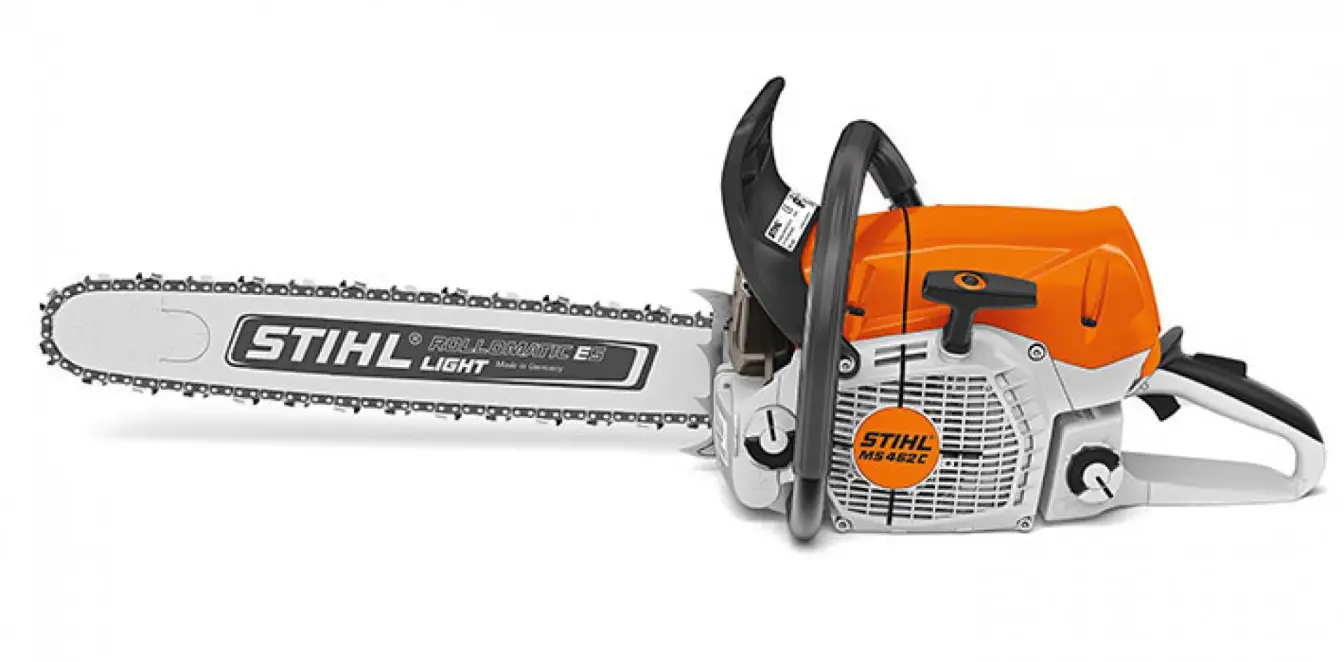
The Stihl MS 462 C-M is a professional-grade chainsaw that has earned its reputation as one of the most powerful and efficient saws in the 70cc class. With its lightweight design, high power-to-weight ratio, and advanced M-Tronic auto-tuning technology, the MS 462 has become a favorite among professional arborists, loggers, and serious firewood cutters across the United States. However, like any sophisticated piece of equipment, the MS 462 is not without its challenges.

Despite its impressive performance capabilities, users have reported a range of technical issues and operational quirks that can affect the saw’s reliability and performance. From hot-start problems and M-Tronic carburetor malfunctions to oil pump inadequacies and early durability concerns, understanding these common problems is essential for getting the most out of your investment.
This comprehensive guide compiles the most frequently reported issues with the Stihl MS 462, drawing from real-world user experiences, professional technician insights, and official Stihl troubleshooting protocols. Whether you are experiencing hard starting in hot weather, dealing with insufficient bar oil delivery, or simply want to prevent potential problems before they occur, this article provides detailed troubleshooting steps and practical solutions for each issue.
We will cover everything from technical malfunctions (engine, carburetor, and electrical issues) to consumer-reported complaints about usability and ergonomics, as well as critical maintenance and durability considerations. By understanding these common failure points and knowing how to address them, you can keep your MS 462 running at peak performance for years to come.
Table of Contents
1. Hard Starting – Especially When Hot (Vapor Lock)
One of the most frequent complaints is difficulty restarting the MS 462 when the engine is hot. Users report that after running in high ambient temperatures or after heavy use, the saw refuses to fire up again – in some cases needing dozens of pulls. This is often due to vapor lock, where heat causes fuel to vaporize in the carburetor or fuel lines, impeding proper fuel flow. It tends to occur with pump gasoline containing ethanol, especially “winter blend” fuels that vaporize more easily in heat.
Troubleshooting and Solutions
Use High-Quality Fuel: Switch to ethanol-free premium gas or specialized fuel (for example, Stihl MotoMix or aviation fuel) in hot weather. These fuels are more stable and less prone to vapor-lock conditions.
Cool-Down and Ventilation: When the saw is very hot, let it idle briefly before shutting off, and avoid letting it sit and heat-soak. If a hot restart is troublesome, open the choke full with the throttle held open to clear a flooded condition (the MS 462’s M-Tronic system has an automatic high-idle for restarts). Some owners even cut small vent holes in the air box cover or add heat shielding to dissipate heat – this has helped alleviate hot start issues by keeping the carb area cooler. (Be cautious modifying the saw; ensure any changes do not allow debris ingestion.)
Check Fuel Tank Vent: A malfunctioning tank vent can exacerbate vapor lock. If you consistently hear a rush of pressure when opening the fuel cap, consider replacing the tank vent – it is an inexpensive part and easy to swap.
Proper Starting Procedure: Always follow the recommended starting steps from Stihl. For a warm engine, do not engage full choke (this will flood the engine). Instead, set the lever to the warm start position or simply leave it on run, then pull the starter. If flooded, hold the throttle trigger fully open and pull until the saw starts. Ensuring the correct procedure will save effort and prevent “hurt-your-elbow” levels of yanking.
Fuel Storage and Handling: Keep your fuel can cool and out of direct sun (especially important on hot job sites). In addition, always use fresh gasoline (older gas is more volatile and can contribute to vapor lock). Using a fuel stabilizer can help if the gas is stored for extended periods.
2. M-Tronic Carburetor Issues (Poor Running or Power Loss)
The MS 462 uses Stihl’s M-Tronic auto-tuning carburetor, which generally self-adjusts for conditions. However, some technical malfunctions can occur in the fuel system: owners have reported intermittent instances of the saw suddenly running extremely rich (as if the choke stuck on) – sputtering, blubbering, and refusing to idle. In other cases, a saw may lose power or not accelerate properly due to lean fuel delivery. These symptoms often trace to the electronic carburetor solenoid valve or related sensors. The solenoid controls fuel flow and can malfunction if clogged or faulty. In fact, Stihl technicians note that the vast majority of M-Tronic problems are solved by replacing the carb’s solenoid and resetting the system. Early-generation solenoids had delicate plastic internal parts that could be affected by fine grit or bad fuel. Stihl has since released updated solenoids with more robust internals and finer fuel filters (15 micron, orange pickup body) to improve reliability.
Troubleshooting and Solutions
Reset the M-Tronic System: If the saw runs poorly (for example, will not idle, bogs on throttle), perform a reset before any hardware replacements. To reset: start the saw cold and let it idle undisturbed for at least 90 seconds (the saw may rev up and down as it recalibrates). Then shut it off, and next run it at full throttle under load for a minute to allow the M-Tronic to relearn settings. This can cure minor running issues caused by calibration errors.
Inspect and Replace the Solenoid: A failing solenoid can cause rich or lean running. If symptoms persist after a reset, remove the solenoid (located in the carburetor body) and inspect its screen for debris. Clean it if dirty. However, often the best course is to install a new solenoid valve, as they are relatively inexpensive. Many dealerships keep this part in stock because it is a known fix. Replacing the solenoid and then resetting the controller to factory settings eliminates 99% of M-Tronic issues in these saws. Keep fuel and tank clean to prevent recurrence (even tiny particles can jam the solenoid).
Fuel Filter and Lines: Check the in-tank fuel filter. The MS 462’s fuel filter is a fine mesh that can clog more quickly than older saws. If you experience lean conditions or surging, replace the fuel filter – Stihl actually updated the filter to an even finer design in later models. Also inspect the fuel line for kinks or cracks that could admit air or restrict flow.
Electrical Connections: Ensure all M-Tronic wiring and connectors are secure. The wiring for the carburetor and ignition module runs under the top handle; on some Stihl saws (for example, MS 201 C), wires have been known to chafe under the anti-vibration mount, causing intermittent issues. Gently tug and wiggle the wires to the carb, solenoid, and module to see if the fault replicates – a broken wire can cause erratic rich/lean symptoms. Repair any damaged wiring harness (or have a dealer replace under warranty).
Spark Plug Condition: A fouled or failing spark plug can mimic fuel problems. Always check the plug when troubleshooting performance: if it is black and wet (rich running), replace it and test again. In some hot-start cases, simply installing a fresh plug allowed the saw to fire up immediately. Use the correct OEM spark plug type and gap, and consider a slightly hotter plug if fouling is recurrent (consult a Stihl tech for recommendations).
If these steps do not resolve the issue and the saw still “runs like the choke is on”, the carburetor or ignition module itself may be at fault. In one case, a user had to have the control module (computer) replaced under warranty, which solved a persistent no-start/poor-run problem. Fortunately, such extreme failures are rare – most MS 462 auto-tune issues tie back to solenoid, fuel, or sensor glitches that the above measures will fix.
3. Engine Power and Performance Quirks
In general, the MS 462 is a high-power 72 cc saw, but a few performance-related complaints have surfaced. Some users feel the saw lacks low-end torque compared to its predecessor (the MS 461). In demanding hardwood cuts or milling, the 462 needs to stay high in the RPM range to maintain power. This is partly by design – the newer engine is a high-revving, EPA-strato lean-burn unit. It excels in chain speed, but when heavily loaded at low revs it may not “grunt” through as forcefully as the heavier old models. Most owners find the power ample, but it is worth noting if you frequently cut large hardwood or use long bars: you might notice the 462 bog if you try to lug it instead of letting it scream. Additionally, because the 462 is lightweight for its size, its flywheel effect is a bit lower – it can lose momentum more quickly in a bind than a saw with more mass.
Troubleshooting and Solutions
Keep the Chain Sharp: Maintaining a razor-sharp chain and correct raker depth is critical to perceiving full power. A dull chain causes even a strong saw to bog and “feel” underpowered. With a sharp chain, the 462’s high chain speed will shine and compensate for any slight torque deficit.
Proper Bar Length: Use appropriate bar lengths for the task. Stihl recommends up to a 28″ bar for the MS 462. While some people run 32″ bars successfully, going too long can strain the saw’s power. If you need to run more than 28″ regularly in hardwood, consider upsizing to an MS 661 or using a skip-tooth chain to reduce drag. Staying within recommended bar sizes will ensure the 462 pulls well without bogging.
High-Performance Tune (If Applicable): Since the MS 462 has M-Tronic, there is no manual carb adjustment for mixture. However, ensure the muffler and spark arrestor are clean (a clogged spark screen will choke power – you can remove and clean it with a torch or replace it). Some owners opt for a muffler mod (opening up the exhaust) to gain a bit more grunt. If you do this, be aware it may void warranty and the M-Tronic will need some time to adjust to the increased flow.
Fuel and Oil Mixture: Continue using high-octane fuel and quality 2-stroke oil at 50:1 (or even 40:1 if you work the saw especially hard). There is anecdotal evidence that certain oils provide better high-RPM protection in the lean-running strato engines. For instance, users have observed unusual piston “ghosting” (wear marks) on some 462 pistons, theorizing that the stratified scavenging can wash oil off the piston in critical areas. A premium full-synthetic two-stroke oil (like Stihl HP Ultra or others with high film strength) can help protect the top end during sustained high-speed use. This in turn maintains compression and power over the long term.
If the saw truly has no power even with a sharp chain and proper use, something is wrong – check the exhaust for scoring. A partially seized or scored piston will greatly reduce power (and require a top-end rebuild). This is uncommon on the 462 unless there was an air leak or straight-gas run, but it should be inspected if power is way below par.
4. Ignition and Electrical Faults
Electrical problems are less common, but they can occur. The MS 462’s ignition coil (which also contains the M-Tronic “brain” on these models) can fail or misbehave. Symptoms of ignition trouble include: no spark (saw will not fire at all), intermittent spark causing random cut-outs or misfiring under load, or the saw dying when you let off the throttle (could be a short in the stop switch wiring). In one report, a faulty ignition module was replaced under warranty after causing hard starting – it was an early failure case.
Troubleshooting and Solutions
Spark Test: If you suspect an ignition issue, use a spark tester or ground a spare spark plug to the cylinder and pull the starter to check for spark. Perform this test when the saw is in failure mode (for example, immediately after it dies hot). If there is no spark or a very weak spark at that point, the coil or plug boot could be bad.
Coil Replacement: A bad coil must be replaced; it is not repairable. If your MS 462 is under warranty (generally 1 year for pro use in the US), bring it to a dealer for a coil/module replacement – this is typically covered. Provide a clear description of the intermittent fault. Replacing the coil will also replace the M-Tronic control unit since it is integrated. After installation, the new unit may need a calibration run (your dealer will usually handle this).
On/Off Switch and Wiring: Sometimes what appears to be ignition failure is actually the kill switch circuit shorting. Inspect the wires leading to the Master Control lever (on/off choke lever). If insulation is rubbed through and touching metal, it can ground out the ignition. Repair any frayed wiring. Also ensure the stop switch is not stuck or full of sawdust causing a constant “off” condition.
Flywheel Gap and Debris: Ensure the coil’s air gap to the flywheel is correct (typically approximately 0.2–0.3mm or per manual). A gap that is too large or metal shavings stuck to the magnet can weaken the spark. Clean out any wood dust or chips around the flywheel and coil – debris can sometimes disrupt the flywheel rotation or cooling fins, indirectly affecting engine running.
AV Wiring Issues: As mentioned earlier, wires under the handle can cause mysterious electrical gremlins if they get pinched. During any handle or anti-vibration mount repairs, be careful not to trap wiring. A nearly broken wire might connect when cold but open circuit when vibration increases, simulating an “electrical ghost” problem.
If you have ruled out fuel problems and spark remains absent or weak, do not hesitate to involve an authorized Stihl technician. They have diagnostic tools (like the MDG 1) that can read error codes from the M-Tronic module and pinpoint sensor or module failures. In the U.S., technical service bulletins (if any exist for the 462’s ignition) would be handled by dealers, so maintaining a good relationship with your dealer is helpful for quick resolutions.
5. Usability Concerns and Starting Procedure
Aside from the technical malfunctions, some “complaints” are simply related to getting used to the MS 462’s modern features. Starting technique is one example: older saw users sometimes flood the M-Tronic saw by using choke in the wrong scenario. The MS 462 C-M usually starts easily (cold: choke until pop, then switch to high idle; hot: no choke needed), but if the procedure is not followed, it can lead to frustration. Ensure you understand the single-lever control positions and that the purge bulb (if equipped on some versions) is used properly. Many owners actually praise the 462 for starting reliably when operated correctly, so user error is often the culprit when starting seems “off”.
Another usability note is the fuel and oil caps: Stihl’s flip-cap design is convenient, but only if latched fully. If not closed properly, they can leak. Always double-check the cap is seated and locked – a minor point, but worth mentioning as a common quirk in user forums (this applies to many Stihl models, not just the 462).
6. Vibration and Handling
The MS 462 is engineered with a spring-type anti-vibration (AV) system to reduce fatigue. Most users find it very smooth in operation. However, a few have noticed that the AV springs are relatively soft, which can make the saw feel “bouncy” with an oversized bar. For instance, one user running a 28″ bar felt the saw was a bit unbalanced, as the heavy bar caused extra flex in the AV mounts. The AV system is optimized for the saw’s light weight and typical bar lengths (20–25″); at the upper end (28″+), you might experience a slight mushy feel. Importantly, high vibration levels are generally not an issue with the 462 – in fact it usually vibrates less in the handles than the older rubber-mounted 461. But if you do sense excessive vibration, it likely indicates a problem such as a damaged AV mount or improper engine tuning.
Troubleshooting and Solutions
Inspect Anti-Vib Mounts: The MS 462 has several AV spring elements connecting the engine to the handles. On rare occasions, these springs or brackets can break. One early report described a handle vibration damper bracket breaking after only a tank and a half of fuel. If you notice increased vibration or a clunking feel, examine all AV springs and bushings – look for a broken spring or a cracked mount. Replace any broken AV elements promptly. These should be covered under warranty if the saw is new, as they should last years under normal use.
Bar Weight and Balance: If using a longer bar for a particular job, be mindful of how it affects balance. To reduce “flop” and vibration, you can switch to a Stihl ES Light bar (which many 462 owners do) to cut down front-end weight. A lighter bar puts less strain on the AV springs. Also, keep the chain sharp and properly tensioned – a poorly tensioned chain can chatter and transmit vibration.
User Technique: Avoid “levering” the saw excessively by the handles while a long bar is pinched; that can overstress mounts. Let the saw do the cutting and try not to pry with it. If you frequently run big bars, also consider using the wrap-handle (R) version of the 462 or a larger saw model designed for those bars – it is a better match and will prolong the life of the 462’s AV system.
Personal Protective Equipment: Even with low-vibration saws, long hours can cause hand fatigue. Anti-vibration gloves or gel inserts can help if you have particularly vibration-sensitive hands or are running the saw all day.
Overall, vibration is not commonly listed as a major complaint for the MS 462 in the U.S. market – it is more of a footnote. The saw’s light weight (13.2 lbs powerhead) and excellent power-to-weight ratio are usually seen as a positive for usability, allowing operators to work longer with less strain.
7. Weight, Balance, Fuel Capacity, and Runtime
Weight and Balance: The consensus among experienced users is that the MS 462’s weight-to-power is outstanding. At roughly 13.0–13.2 lbs (depending on version) it is significantly lighter than the older 70cc class saws, yet it packs equal or greater power. This makes it easier to handle during long work days. A few users transitioning from heavier saws note that the lighter weight means you might feel a bit more recoil and movement (heavier saws can be more “planted”). This is usually a very acceptable trade-off, but it is good to be aware that the 462 will not soak up operator technique issues the way a 16-pound saw might. In practice, most find it well-balanced with a 20–25″ bar, and enjoy the reduced fatigue.
Fuel Capacity and Runtime: One observation is that the MS 462’s fuel tank is relatively small for a saw of this size, meaning you will refuel more often. A user on a forestry forum noted that their MS 362 (59cc) could run nearly twice as long on a tank as the 462. This is partly because the 462’s engine is using more fuel (making more power) and possibly because the tank volume was kept modest to save weight. If you are coming from an older saw like a 461, you might notice shorter cutting time between fill-ups. The solution here is simply to plan for more frequent fuel stops. Keep an eye on fuel level and bring extra fuel if you will be far from your supply – refill the bar oil every time you refuel (the 462 should go roughly oil-for-fuel in consumption when adjusted properly). On the plus side, frequent refueling gives you forced breaks that can prevent you from overworking the saw (or yourself)!
Noise: The MS 462 is loud – about as loud as any pro chainsaw in the 70cc class. This is not a complaint unique to the 462, but always wear hearing protection. Some owners who have switched from other saws comment that the 462 has a “high-pitched scream” at full throttle (due to its high max RPM). This is normal, but can be perceived as more shrill than, say, a lower-revving 056 MAG or similar. Good earmuffs or plugs are highly recommended for anyone running this saw for extended periods.
8. Chain Oiler Issues (Insufficient Bar Oil Delivery)
Bar and chain lubrication problems have been a notable issue for some MS 462 owners – particularly on early-production units. The saw features an adjustable oil pump, but users found that even at the max setting, oil output could be too low to adequately oil the bar, especially with anything over a 20″ bar. In fact, there were reports that Stihl had a service bulletin or recall on the 462’s oiler for a “faulty design not delivering enough oil,” involving a spring or latch in the pump mechanism. One common complaint was that the chain would run dry and even throw sparks in big cuts due to the minimal oil flow. Additionally, some 462 oil pumps experienced outright failure (stopped pumping oil) in the field.
Stihl addressed this by slightly redesigning the oil pump in later models and providing guidance on increasing oil flow. The MS 462 does have a built-in way to increase output: there is a stop pin on the adjuster screw that limits its range. By punching that pin inward, you can unlock a bit more adjustment (roughly 1/4 turn extra). This effectively converts the pump to the high-output version used in the MS 462 R Rescue saw. However, any modification raises warranty questions, so proceed carefully (more on warranty below).
Troubleshooting and Solutions
Basic Checks: Always start by verifying the bar and oil system are not clogged. Remove the bar and chain, and run the saw briefly to see if oil comes out of the oiler port. Clean any sawdust or gunk from the oil holes in the bar and the groove. A clogged oil passage can mimic a pump failure. Also, ensure you are using the correct weight of bar oil for the season (light oil in winter, heavier in summer) – very thick oil in cold temps might not flow well.
Maximize the Adjustment: Set the oil adjuster screw to the highest output (turned fully to the ‘+’ direction). Many users found the factory setting was conservative. On the 462, even maxed out, the stock pump is “stingy” by design, but it should be sufficient for bars up to approximately 28″ in most conditions. If a 20″ bar is running dry at max setting, that indicates a real problem (and would justify a warranty claim).
Modified Oil Pump Output: If you absolutely need more oil and are comfortable with light modification, you can perform the stop-pin punch trick. Using a punch, tap the little metal pin in the oil adjuster inward flush with the body. This allows the adjuster screw to turn further open. Many arborists have done this to get extra oil on their 462. After doing so, monitor your oil use – ideally you want to nearly empty the oil tank by the time you run out of fuel (a one-to-one ratio). Note: Technically, modifying the oiler could be argued to void the warranty if the pump subsequently failed, but under U.S. law (Magnuson-Moss Act) a manufacturer would have to prove your modification caused the failure. In any case, it is a minor tweak that should not harm the saw.
Oil Pump Replacement: If the pump is truly defective (for example, it does not pump at all, or internal failure), it should be replaced. On warranty, insist the dealer install a new oil pump assembly. A known fix by some heavy-use operators was to swap in the HO (High Output) oil pump from the MS 461 or 462R, which fits and delivers more volume. If you are out of warranty, this upgrade can be worth the approximately $50–$70 part cost to ensure adequate lubrication for long bars.
Bar/Chain Selection: Using an appropriate chain can also help with oiling. A skip-tooth chain on longer bars will carry oil around the bar more easily and put less demand on the oiler than a full comp chain. Also, some Stihl guide bars (particularly longer Rollomatic ES bars) have relatively small oil holes; aftermarket bars or newer bars sometimes have larger oil passages. If you suspect the bar is the restriction, compare the oiler hole size with another bar.
Bar Oil Type: Interestingly, some professionals noticed that bio-degradable vegetable-based bar oil seemed to cause more issues with the 462’s pump. The thicker, stickier bio-oils may not flow as well in this saw. A few crew members resorted to using standard mineral bar oil despite local requirements, and they reported the pumps worked more reliably. While we always recommend following environmental guidelines, if you are experiencing chronic oil pump troubles and you are using canola or bio oil, you might try a high-quality petroleum bar oil to see if it improves flow. At the very least, clean the oil system more frequently when using bio oils, as they can gum up if the saw sits unused.
Keeping the bar and chain properly oiled is critical for long-term durability – a dry chain will overheat, dull quickly, and put extra stress on the engine and clutch. So, if you notice poor oiling, address it promptly using the steps above. In summary, later-production MS 462 saws (especially U.S. models sold after approximately 2019–2020) seem to have fewer oiling complaints, suggesting that Stihl quietly improved the pump output. If you have an early MS 462 and use longer bars, pay extra attention to this aspect of maintenance.
9. Premature Wear and Engine Durability
The MS 462 is a professional-grade saw designed for heavy use, but as with any lightweight, high-performance machine, there have been a few reports of premature component failures. Notably, some early-production units (circa 2018) suffered from crankcase cracking in specific areas. For example, the very first releases of the saw had instances of the case cracking around the bar stud area when users ran long bars, which led Stihl to beef up that section of the case in later revisions. In one online forum account, a user “blew up” two MS 462s within 15 months – tear-down revealed cracks in the crankcase that allowed air leaks, causing a loss of compression and a burned piston. The cracks were internal (around the starter housing and under the handle mounts) with no external trauma, yet Stihl’s customer service initially denied warranty, attributing it to possible dropping damage. These seem to have been isolated incidents, but they underscore the 462’s design philosophy: weight reduction. Less material in the case (magnesium) means you shave pounds, but heavy commercial use (for example, daily logging, as in that user’s case) might push the limits of the early design.
Stihl has since made design updates to the MS 462’s top end and case. By mid-2021, a new version of the piston, cylinder, and case was in circulation. The updates were not an official “recall” but rather running production changes to improve durability. Aside from the case reinforcement, there was mention of a batch of “bad pistons” in early production – possibly a manufacturing defect leading to scoring or failure. The redesign of the piston (and cylinder porting) likely addressed any such issues. If you purchase a new MS 462 today, you will be getting those improved components. Those with older saws that suffered top-end failure have often rebuilt them using the updated piston/cylinder kits with good results.
Maintenance Tips for Longevity
High-Quality 2-Stroke Oil and Mix Ratio: As touched on earlier, always run a good quality synthetic 2T oil at 50:1 (or 40:1 if you are pushing the saw hard daily). The example of “ghosting” on pistons in strato-saws shows that lubrication is critical. Stihl’s silver bottle HP Ultra or other premium oils can provide a safety margin. Avoid old or stale mix – gasoline breaks down and leaner mixtures can harm the engine.
Frequent Air Filter Cleaning: The MS 462 likely uses the HD2 air filter (a pleated, washable filter). Keep it clean to prevent dust ingestion, which can wear out the piston and cylinder prematurely. In very fine dust conditions, you may even need to brush out or replace the filter daily. A clogged filter also makes the saw run richer (since M-Tronic will compensate), which can carbon up the exhaust and combustion chamber over time.
Fuel Filter and Vent Maintenance: As noted, the tiny fuel filter should be changed more often than you might be used to on older saws. It is cheap insurance – a clogged filter makes the saw run lean and hot (risking piston damage). Similarly, ensure the tank vent is functioning; a blocked vent can lean out the mixture or cause fuel starvation at high RPM, leading to overheating.
Exhaust Port and Spark Arrestor: Periodically, inspect the exhaust port for carbon buildup (especially if you have been running rich or using 40:1 mix). A partially obstructed exhaust raises engine temps. If you spot heavy carbon, remove the muffler and gently scrape the exhaust port when the piston is at bottom dead center (prevent debris from falling in). Also clean the spark arrestor screen or remove it if your usage permits – a clogged screen will choke the engine and could cause power loss and heat buildup.
Cooling System: Keep the cylinder fins and starter housing vents free of debris. The 462 relies on strong airflow for cooling; packed sawdust can cause overheating and premature wear. It is good practice to blow out the flywheel fins and cooling fins with compressed air every few tanks if you are cutting dirty or sappy wood that clogs things up.
Clutch and Driveline: The MS 462 clutch and drum are robust, but lack of oil (from the aforementioned oiler issues) can cause excess heat at the clutch and tip of the bar. Make sure the clutch drum bearing is greased at service intervals (some drums have a spur gear with a grease hole, others are sealed). If you notice the chain continues to move at idle, the clutch could be sticking – inspect it for tar or heat damage. File burrs off the bar rails and keep the chain properly tensioned to avoid undue stress on the clutch and crankshaft.
In terms of hours, we have seen reports of MS 462s running 1000+ hours in professional service before needing major work. One faller noted his saw had around 1500 hours of very hard use (forest fire salvage, beetle kill logging) and only at that point did the piston/cylinder crack – essentially end-of-life for a heavily used saw. For most users, with good maintenance, the MS 462 should last for many years. The key is preventative maintenance and addressing small issues before they cascade into big failures (for example, do not ignore an air leak or unusual noise; investigate it).
10. Warranty and Support Advice
For U.S. customers, Stihl generally provides a 1-year warranty on professional saws (and occasionally longer for non-commercial use or if you buy Stihl oil with the saw – promotions vary). If you encounter any of the above issues within the warranty period, be proactive in working with your dealer:
Document the Issue: Take notes or video of the problem (for example, film the oil not flinging off the bar, or record how many pulls a hot start takes). This evidence can help the dealer understand and communicate the issue to Stihl if a claim is filed.
Be Specific and Assertive: Clearly explain the problem to the dealer’s service department and mention any known bulletins. For instance, if your saw is not oiling and you heard there was a recall or updated pump, bring that up. A knowledgeable dealer will often know of these things (many were aware of the 462 oiler updates). Politely insist on a fix – oilers not supplying oil, or a saw that will not run properly, are legitimate warranty issues and should be treated as such.
Escalate if Needed: If a dealer dismisses your claim (like in the case of the cracked case user whose dealer blamed him for damage), you can contact Stihl USA customer service directly. They tend to back their products when there is clear evidence of a manufacturing fault. Also, sometimes trying a different Stihl dealer can yield a more sympathetic ear – not all dealers have the same level of experience with the pro saws.
Keep Receipts and Maintenance Records: If you did any self-maintenance, note it down. While Magnuson-Moss Act protects your right to maintain your equipment without voiding warranty, having records can dispel any argument that neglect was the cause. For example, if your top end failed but you can show you always used Stihl oil at correct mix and cleaned filters, it strengthens your case that it was a defect, not abuse.
Understand What is Not Covered: Normal wear parts (filters, spark plugs, sprockets, etc.) are not covered by warranty. And damage due to straight gasoline (no oil in mix) or obvious abuse will be denied. However, things like a failed M-Tronic module, a faulty solenoid, a cracked case, or an oil pump that does not work should be covered. If a dealer refuses and you are sure it is a factory defect, do press the issue – Stihl has a reputation to uphold and often will quietly authorize a repair or replacement to satisfy a customer.
Finally, for long-term ownership beyond warranty: the MS 462 is a complex saw electronically, so invest in the service manual or cultivate a good relationship with a small-engine mechanic. Many issues can be solved with basic troubleshooting as we have outlined, but if the saw ever needs major repairs (for example, a full crankcase replacement or computer diagnostics), having a trusted shop is invaluable since not every fix can be DIY. Keeping up with software updates (Stihl sometimes issues updated M-Tronic firmware that dealers can flash) is also something to consider asking about during routine service.
Conclusion
In summary, the Stihl MS 462 C-M has proven itself a high-performance, lightweight saw with mostly positive feedback in the field. The common problems – hot start vapor lock, occasional M-Tronic quirks, under-oiling, and a few early durability hiccups – are well-documented and mostly solvable with the right approach. Patterns indicate that early production models had more issues (case cracks, piston updates, oil pump tweaks), whereas current models incorporate improvements that mitigate those problems. By applying the troubleshooting steps and solutions above, users can address the MS 462’s pain points effectively.
For prospective buyers evaluating the MS 462: it is wise to check the manufacture date or serial number with your dealer to ensure you get the latest revision. In practice, U.S. customers in 2025 will almost certainly be getting the improved version of the saw. With proper maintenance and an understanding of its operational needs (good fuel, sharp chains, regular cleaning), the MS 462 remains a top-tier choice in the pro saw market. It offers superb power-to-weight and, once dialed in, should serve reliably whether you are a professional arborist or a firewood cutter – just keep an eye on those known trouble spots and address them as they arise.