
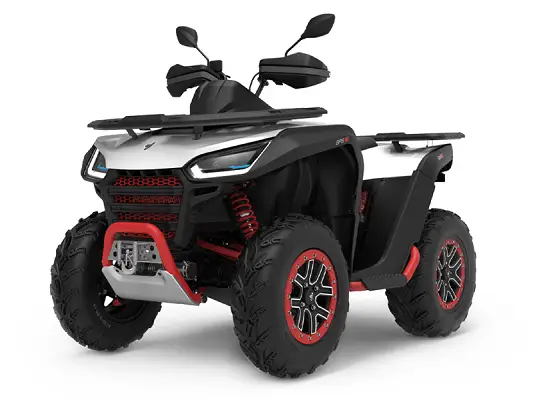
Segway entered the ATV market in late 2020 with bold promises of innovative design, hybrid technology, and competitive pricing. However, early models (2021-2022) experienced significant reliability issues including CVT failures, electrical problems, and fire hazards that led to federal recalls. While newer 2024+ models show improvements, prospective buyers should understand the common problems, their solutions, and preventive measures before purchasing. This comprehensive guide covers all Segway ATV models sold in North America, with particular focus on the widely-available AT6 (570cc) series and identification of model-year specific issues.

Table of Contents
Critical Context: Segway ATV Availability and Model Lineup
Before diving into problems, understanding Segway’s unique market position is essential. Segway ATVs are NOT currently available in the U.S. market due to regulatory issues with the Consumer Product Safety Commission. In 2022, Segway was assessed a $5 million penalty for importing approximately 152 ATVs without CPSC approval. These units were warehoused and never sold. ATVs remain available in Canada and international markets, while U.S. consumers can only purchase Segway UTVs and side-by-sides.
The current ATV lineup includes three displacement classes: the AT5 (499cc, 38-39 HP) introduced in 2023 as an entry-level option; the AT6/Snarler (567-570cc, 44 HP) which launched in 2021 and remains the most common model with extensive owner reports; and the AT10 (999cc, 96-97 HP) introduced in 2024 as a premium performance option. Early models were branded “Snarler” but Segway simplified nomenclature to “AT” series in 2023-2024. All Segway powersports products are new to market—the company only entered gasoline powersports in late 2020, meaning no long-term reliability data exists beyond 4-5 years of use.
Electrical System Problems
Electrical issues plague early Segway ATVs more than any other category, with oil pressure sensor failures, ECM malfunctions, and battery problems consistently reported across owner forums and dealer service records.
Oil Pressure Sensor Failures
The oil pressure sensor represents the single most common electrical problem on 2020-2022 Snarler models. Owners report oil pressure warning lights flashing intermittently on the dashboard despite correct oil levels, accompanied by random stalling while riding and false low-oil warnings. One owner with a 2021 Snarler AT6SX at 1,000km described the issue: “Oil pressure sensor faulty, required replacement. This caused stalling issues that resolved once sensor replaced.”
The root cause stems from faulty sensors sending incorrect signals to the dashboard computer. Early production models used sensors with high failure rates, and sensor overflow issues compound the problem. The solution requires checking oil level first to confirm actual oil status is not the issue, then contacting a dealer for sensor replacement under warranty. Multiple owners confirm this repair fully resolves associated stalling problems. The sensor itself is an inexpensive part, but proper diagnosis prevents unnecessary troubleshooting of other systems.
ECM and ECU Failures
Engine Control Module failures constitute a critical and expensive problem documented as a “common issue” by multiple dealers and owners. Symptoms include the ATV running normally then suddenly dying mid-ride (often within half a mile), engine cranking but refusing to start, brief firing that dies when throttle is applied, and complete electrical failure accompanied by persistent check engine lights.
The ECM can overheat and “fry” due to manufacturing defects in early models. One particularly concerning pattern emerges: owners who perform welding work on their ATVs without disconnecting the ECM and battery invariably experience ECM failure. A 2021 Snarler owner reported after 1,000km: “Update the reason my quad died is the ecm fried. I guess warranty. An is a common issues as I have heard.”
Immediate diagnosis when an ATV dies suddenly points to likely ECM failure. Warranty coverage typically applies, though replacement costs run $200-500 out of warranty. Critical prevention requires always disconnecting the ECM and battery before any welding work. Dealers should also inspect the associated wiring harness for shorts before ECM replacement to prevent repeat failures. Do not replace the ECM multiple times without identifying the root cause of repeated failures.
Battery and Starting System Issues
Battery problems manifest in two distinct patterns. First, batteries will not hold charge even when measuring correct voltage. The dash flashes on key turn indicating low battery, voltage measures 12.6V when fully charged but drops under 9V when the key turns, and the ATV will not start even after external charging. Multiple battery replacements become necessary within the first year.
Factory battery quality drives this issue—dealers report cheap batteries that do not tolerate sitting unused. The T-box Bluetooth module constantly draws power even when the ATV sits idle, draining batteries faster than expected. Solutions include testing battery voltage under load (should maintain 12.6V; replace if dropping below 9V), warranty replacement for defective units, upgrading to Antigravity batteries with RE-START technology as recommended by dealers, using trickle chargers every 2-3 weeks during storage, and avoiding winch use with the engine off. Some dealers refuse warranty claims if the ATV sits unused for more than two weeks.
Cold weather starting failures compound battery issues. Owners in Canadian and northern climates report ATVs completely refuse to start at -15°C (-5°F), 4WD buttons freeze and stop working, and extreme difficulty starting in freezing temperatures occurs even with good batteries. The core problem: factory 10W-40 oil is inadequate for extreme cold, causing oil to thicken excessively. Battery performance drops 20% or more in cold temperatures, and electronic components physically freeze.
The critical solution requires an oil change to synthetic 5W-30 or 0W-40 for cold climates, as factory 10W-40 is too thick for -15°C operation. Keep batteries on maintenance chargers in cold weather, store ATVs in heated spaces when possible or use battery warmers, and warm up frozen 4WD buttons/switches before use. One frustrated Canadian owner stated: “Wrong oil from factory for Canadian winters will not start in -15. 4×4 button does not work in cold weather Gets frozen.”
Diagnostic Trouble Codes and Sensor Malfunctions
Segway ATVs display comprehensive error codes requiring immediate attention. Throttle position sensor codes P0123 (high voltage) and P0122 (low voltage) indicate sensor electrical faults. Manifold pressure codes P0108 (circuit high) and P0107 (circuit low) signal pressure sensor problems. Oxygen sensor codes P013029 and P013116 appear frequently, often accompanied by check engine lights and poor performance.
Oxygen sensor failures deserve special attention. Beyond the sensor itself failing, faulty wiring harnesses to the O2 sensor commonly cause persistent codes even after sensor replacement. Segway often replaces both the sensor (approximately $160 CAD) and wiring harness together under warranty. After hitting water or puddles, power loss may indicate O2 sensor damage. The sensor can fall out due to inadequate thread torque, and exhaust leaks at the manifold cause false sensor readings.
Temperature sensor codes affect critical engine functions. Intake air temperature sensor codes P0112 (circuit high) and P0113 (circuit low) affect fuel mixture calculations. Engine coolant temperature codes P0117 (circuit high) and P0118 (circuit low) are critical for preventing overheating. System voltage codes P0563 (high), P0562 (low), and P0560 (not plausible) indicate charging system or battery problems requiring immediate diagnosis.
When any error code appears on the instrument panel, contact an authorized Segway Powersports dealer immediately. Document the code number before attempting repairs, and never clear codes without proper diagnosis. The display shows codes in the diagnostic trouble code area accessed by pressing the MODE button to cycle through display options.
Instrument Panel and Gauge Failures
Beyond sensors, the instrument cluster itself fails on various models. Oil lights flicker on and off at 25km on brand-new units, speedometers display incorrect gear (showing “Park” constantly), 4WD indicators malfunction, check engine lights stay illuminated permanently, and the entire dash flashes and goes black intermittently.
Most instrument cluster failures result from welding work performed without disconnecting electrical components. One owner damaged their speedometer after welding modifications, requiring cluster replacement at $169 from the dealer or approximately $100 via eBay. If the transmission position sensor fails, the display shows the wrong gear. Solutions include replacing the entire speedometer/instrument cluster for welding damage, checking all wiring connections to the cluster, and verifying ECM communication with the cluster functions properly.
Bluetooth and Smart Moving App Connectivity
The Smart Moving app, mandatory for initial vehicle activation and adjusting electric power steering settings, suffers significant functionality problems. Multiple owners report the Bluetooth app will not connect to phones, preventing power steering mode changes and power mode adjustments. After initial functionality, the app continuously crashes before starting. One owner lamented: “Blue tooth app will not connect to phone so can not change the power steer and power modes.”
Map tracking “has never worked” according to multiple users. Distance to empty displays, voltage displays, maintenance reminders, 4G/T-Box communication, clock setting, security functions, and communication with other ATVs all fail to function reliably. The app requires mandatory registration before the vehicle will start for the first time, yet after initial setup owners can operate without the app. Segway Powersports app downloads from App Store or Google Play receive poor reviews citing these persistent issues.
Transmission and Drivetrain Problems
CVT and transmission issues dominate reliability complaints on Segway ATVs, with belt failures, clutch defects, and shifting difficulties creating the most significant operational problems reported by owners.
CVT Belt Slipping in Water
This represents arguably the most frustrating and common operational problem. Owners experience complete loss of power and momentum when riding through water, high RPM with minimal movement, belt slipping even in shallow 15-20 inch water, loss of drive within minutes of water exposure, and barely being able to move despite full throttle. One owner on their second CVT replacement on two separate units reported: “Belts slipping in water, on second CVT now, on both quads.”
Water enters the CVT housing through air inlet/outlet ports despite factory sealing attempts. Poor CVT cover seal quality—with damaged, twisted, or improperly seated gaskets—allows water intrusion. Water splashes into the CVT exhaust at the lowest point on the machine during water crossings. Loose CVT housing bolts create gaps, and factory seal defects plague early models.
Immediate response when belt starts slipping on the trail: Stop immediately and do NOT gun the throttle, as this causes permanent belt damage. Locate the drain plug on the bottom of the CVT housing (typically a red plastic plug). Remove the drain plug and let water drain completely. Let the machine idle in neutral for 5-10 minutes to dry internal components. Rev the engine moderately to speed the drying process through air circulation. Start riding gently at low speeds before resuming normal operation—do not immediately hammer the throttle.
Permanent water prevention fixes require removing the CVT cover and inspecting gasket condition. Replace the foam gasket with RTV silicone gasket maker—a common and effective fix reported by multiple owners. Apply RTV to the cover side only and grease the engine side to prevent adhesion during future service. Check all CVT housing bolts are properly tightened, using Loctite if loosening recurs. Inspect rubber boots connecting inlet/outlet ducts to the belt cover (approximately $5 part that cracks easily). Check for cracks or holes in the CVT housing that can be patched with sealant or require housing replacement. Installing a CVT snorkel kit extending inlet/exhaust ports above the water line provides the most comprehensive solution for riders who frequently cross deep water.
Prevention strategies during riding include traveling slowly through water (low speed is key), using low gear in water to maintain high RPM which blows water out of the exhaust port, and considering installation of a drain valve stem modification for easy draining after each water crossing.
Multiple CVT Belt Replacements Required
Belt failures before 500-1,000km plague owners, with belts “shredding” under power, burning (glazed, shiny appearance with smoke and burnt rubber smell), and jerking sensations at takeoff. Factory belts prove inadequate for the power output. Improper break-in procedures, riding in high gear under load (mud, steep hills, towing), clutches not gripping belts properly at low throttle, hour-glassing from high gear usage when stuck, and excessive heat buildup all contribute to premature belt failure.
Upgrading to aftermarket belts provides the best solution. The Gates G-Force Redline belt (part #40R4340 for non-CVTech clutch systems) and SuperATV World’s Best Belt with aramid fiber cord (approximately $200) substantially outlast factory belts. Note that belt tools differ for CVTech versus non-CVTech clutch systems.
Proper belt maintenance includes checking for cracks by bending the belt backward to inspect cogs, measuring belt width with calipers at three points and comparing to service manual minimums, and replacing if cracking appears, chunks are missing, or a glazed appearance develops. Never use high gear in mud, snow, steep climbs, or when towing. After hard riding, idle in neutral and rev for cooling before shutoff. Keep CVT vents clear and unobstructed, and clean clutches with Scotch-Brite pads and alcohol to remove black haze buildup.
Belt installation requires cleaning new belts with soapy water to remove manufacturing oils, scuffing with Scotch-Brite pads, and cleaning clutch sheaves with alcohol or acetone (NOT brake cleaner which damages rubber components). Break-in procedure demands 15 minutes at ≤3/4 throttle cycling through all gears, cooling for 30 minutes, and repeating 2-3 times before normal riding resumes.
Primary Clutch Failure—Acknowledged Factory Defect
Extreme difficulty shifting gears, clutches “shot” or blown to pieces, jerking at low throttle start, transmission chattering, and complete inability to shift all stem from a primary clutch defect that Segway has officially acknowledged. Dealers report replacing 3-7 primary clutches per shop due to this failure pattern. One owner reported at 400km: “400 KM on my Fugleman and blew the primary clutch to pieces and left me stranded on the trail. I have not even had it a year and its spent 4 months in the shop.”
Segway acknowledged this product defect and 2022-2023+ models use different CVT clutch designs. Warranty replacement of the primary clutch is required when this failure occurs. Look for updated CVT cover designs with different appearances. Multiple dealers confirm this as a common warranty issue affecting 2020-2022 models most severely.
If shifting becomes impossible even with the engine off, the clutch has completely failed and requires full replacement. Contact the dealer for warranty claims and request the updated CVTech clutch design if available. No temporary solutions exist—the clutch must be replaced. Some owners resort to turning the engine off to shift gears as a temporary workaround, but this is not a proper solution and indicates imminent clutch failure.
Extremely Difficult Gear Shifting
Impossible shifting from D to R or any gear under load, extreme force required on the shift lever (owners report feeling like they are “bending the gearstick”), ability to shift only when the ATV rolls freely without resistance, shifters completely stuck after just 20 operating hours, and problems occurring on hills, uneven ground, or any loaded condition characterize this widespread issue. Problems appear as early as 25km during the break-in period.
Primary clutch failure causes most shifting problems (see CVT section above). Improper CVT gearbox tuning from factory, secondary clutches rotating when they should not, assembly quality control issues with transmission units, and attempting shifts with the transmission under load all contribute. One owner described the experience: “Gear shifting extremely difficult on inclines/declines…literally just stuck there moving it back and forth until it will go into gear.”
Immediate workarounds include turning the engine OFF before shifting (easiest method but not proper operation), shifting to Neutral to free gearing and letting the ATV roll, straightening wheels to reduce strain on differentials, ensuring the ATV is on level ground before shifting, and holding the foot brake while attempting to shift.
Proper diagnosis requires checking if problems occur only under load versus free-rolling, testing shifting with engine off versus running, and understanding that if shifting is impossible even with the engine off, primary clutch failure has occurred and warranty replacement is mandatory. If shifting is only difficult under load, CVT tuning or assembly issues are likely. Dealer service must check CVT gearbox tuning, inspect and replace the primary clutch (known defect), and verify proper CVT assembly by checking that the secondary clutch will not rotate during gear engagement.
Important note: Many Segway units left the factory without properly tuned CVTs. This is NOT normal for automatic gearbox ATVs. Multiple dealers report this as a common issue, with one dealer replacing seven primary clutches due to failure. If under warranty, insist on clutch replacement rather than accepting claims that difficult shifting is “normal.”
Transmission Chattering and Disengaging
Extremely clunky transmission when starting, jerky chattering sounds requiring fast acceleration for smooth engagement, transmission chattering on bumps and rocks when going downhill, complete disengagement on smooth declines (rolling like neutral), near-stalling when transmission disengages, and dangerous re-engagement when throttle is applied create safety hazards. One owner at 3,900km reported: “Transmission chatters going downhill, sometimes disengages completely (rolls like neutral).”
CVT clutch engagement issues, transmission not properly engaging, engine braking system malfunctions, and worn clutch components cause these symptoms. Immediate operational adjustments include accelerating quickly from stops (not ideal but functional), avoiding moderate or slow acceleration in high gear, preparing for disengagement on downhills, and keeping hands on the throttle when descending to respond quickly.
Diagnostic steps include checking if issues occur only in high versus low gear, noting when chattering starts (after warm-up, immediately, etc.), and documenting downhill behavior for dealer diagnosis. Solutions likely require primary clutch inspection and replacement, CVT system inspection by dealers, potential transmission software updates if available, and checking engine brake settings if adjustable.
Differential Seal Leaks and Bearing Failures
Oil leaking from both sides of the rear differential, visible fluid dripping from the differential area, low differential oil levels, and increased wear on differential components appear commonly around 1,000-4,000km. One owner at 3,900km stated: “Rear differential seals are leaking on both sides, no seals in stock at the dealer.”
Seal wear from friction, overfilling differential with oil, riding frequently in water (accelerating bearing and seal failure), and poor quality factory seals in 2020-2021 models cause premature leakage. Check differential oil level immediately upon noticing leaks, inspect both sides of the rear differential for leak sources, clean the area and monitor to confirm the leak location, then drain differential oil, remove leaking seals from both sides, and install new OEM or quality aftermarket seals. A critical problem: dealer parts are often out of stock, requiring orders from multiple dealers or using aftermarket seals. Refill with proper differential oil per the manual specification (typically SAE 75W-90 GL-5 or 80W-90 GL-5) without overfilling.
Rear wheel bearing failures occur around 1,000km, indicated by excessive play when shaking rear tires. Water ingress accelerates bearing failure, and insufficient bearing quality or sealing compounds the problem. Jack up the rear of the ATV, grasp each rear tire and attempt to shake or rock it—excessive movement indicates failed bearings requiring immediate replacement of both rear wheel bearings, hub assembly inspection, axle wear checks, and consideration of upgraded bearings if available.
4WD System Malfunctions
Front differential locks getting stuck engaged, 4WD buttons not working in cold weather (freezing solid), difficult steering indicating the lock is engaged, intermittent operation, and inability to disengage create significant problems. “4×4 button does not work in cold weather Gets frozen,” one Canadian owner reported.
For immediate release when stuck engaged, drive straight slowly, depress the diff lock pedal or button ALL THE WAY, hold for a count of 10, release while still driving, and step on the brake which may release the lock on some models. In cold weather below -15°C, the 4WD button physically freezes and will not function. Warm up the machine before attempting 4WD engagement and protect buttons from ice and snow accumulation.
When 4WD will not engage at all despite pressing the button (sometimes after just 10 hours of use), check the 4×4 fuse (typically 20A), test 4WD relay operation by listening for an audible click, test for 12V power at the front diff actuator, and verify ground connections. Replace blown fuses, test and replace 4WD relays as needed, check speedometer function since AWD power may route through it, inspect wiring harness to the front differential, and clean and tighten all connections.
Suspension and Chassis Issues
While generally competent when properly maintained, Segway suspension systems exhibit specific weaknesses in shock performance, bushing durability, and critical fastener quality that require attention and often upgrades.
Shock Absorber Stiffness and Performance
Harsh, jarring ride quality over bumps and rough terrain, suspension feeling like “riding on a bench” with minimal travel, excessive vibration transmitted to riders, shocks becoming significantly stiffer in cold weather below -15°C, and reduced suspension compliance and control characterize common shock issues. One owner with 1,000km reported: “Shocks are not as smooth as you would want,” while another stated: “mine is really hard, its like a bench, i dont feel the travel suspension.”
Factory shock settings often prove too stiff for average conditions. Cold weather causes hydraulic fluid to thicken, reducing damping performance dramatically. Inadequate shock absorber quality on base models, improper preload adjustment for rider weight and load, and lack of proper break-in period on new shocks all contribute.
Oil shocks feature five preload positions: position 1 for light load and flat terrain through position 5 for heavy load and rough terrain. Adjust left and right shocks to the same setting, changing only one position at a time and testing. For compression damping, turn clockwise to increase (stiffen) and counterclockwise to reduce (soften), starting with 2-3 clicks from full soft and testing. For rebound damping, turn toward “H” to increase rebound damping and toward “S” to reduce—proper rebound prevents bouncing after compression. In cold weather, switch to lighter weight shock oil, allow the ATV to warm up before riding, and consider upgraded gas shocks.
Ultimate solutions include upgrading to adjustable gas shocks (strongly recommended for AT6 models), professional re-valving of existing shocks for rider weight, replacing OEM shocks with aftermarket options (FOX 2.0 shocks available), and proper suspension setup by adjusting preload, compression, and rebound to match riding style. Prevention requires pre-ride suspension inspection checking for leaks and damage, regular greasing of suspension components, adjusting settings seasonally for temperature changes, and following the break-in period by avoiding extreme riding for the first 300km.
A-Arm Bushing Wear and Failure
Clunking or knocking sounds from front or rear suspension, loose imprecise steering feel, excessive play in suspension when rocking the ATV side-to-side, uneven tire wear, and visible gaps around bushing mounts indicate A-arm bushing problems. The A-arms connect the frame to wheel hubs through bushings that absorb shocks and allow controlled movement. Factory bushings use softer rubber compounds wearing quickly under aggressive off-road conditions.
OEM bushings use softer rubber compounds wearing quickly, inadequate sealing allows dirt and water contamination, insufficient lubrication during operation occurs, and heavy mudding and water crossings accelerate wear. Lift the ATV and secure on jack stands, inspect all A-arm bushings for cracks, tears, and deformation, test for play by pushing and pulling on A-arms, and check grease fittings by attempting to pump grease.
The L1 Upgraded Segway Snarler A-Arm Bushing Kit with Sleeves ($100-146 CAD) provides a comprehensive solution. Features include UHMW polyethylene construction and hardened stainless steel sleeves. Installation requires applying waterproof grease (BEL-RAY recommended), not hammering bushings during installation, and greasing only until first resistance is felt. Typically manifesting between 500-3,000km on 2020-2022 Snarler AT6 models, this is a common issue requiring preventive maintenance: grease suspension every 500km or monthly, inspect bushings every 100 hours, wash the ATV after muddy rides, and install protective A-arm guards.
Steering Rack Bolt Failure—Critical Safety Issue
Sudden loose or sloppy steering feel, clunking sounds when turning the steering wheel, steering wheels not returning to center properly, visible broken bolts at steering rack mounts, and complete loss of steering control in severe cases constitute a critical safety hazard. One owner with two work ATVs warned: “Stiring rack bolt has snapped on both also. Look good, comfy to ride, just not reliable.”
Undersized or under-spec’d OEM bolts, aluminum bolts used instead of steel in some production runs, inadequate torque specification leading to loosening, and stress cycling from rough terrain operation cause these catastrophic failures. If steering feels loose, STOP immediately. Visually inspect the steering rack under the vehicle, check all steering rack mounting bolts (typically M8 x 65mm), and test each bolt with a T45 Torx bit for proper seating.
Replace ALL steering rack bolts with Grade 8.8+ steel bolts, apply thread locker (blue Loctite), and torque to 25-30 Nm. Installation tip: Loosen the 18mm rack bolt 1/2 turn, use a jack to lift and create access for bolt replacement. This uncommon but CRITICAL safety issue affects 2020-2022 Snarler models. Prevention requires inspecting steering rack bolts every 500km, checking bolt torque every 1,000km, considering upgrading to steel bolts proactively, and performing pre-ride steering checks recommended before every ride.
Cold Weather Suspension and Component Stiffening
Multiple cold-weather related issues affect suspension performance, button functionality, and overall operation when temperatures drop below -15°C. Suspension becomes noticeably stiffer, 4×4 buttons do not work when frozen, difficult starting in extreme cold occurs, and steering feels stiff or notchy. One Canadian owner complained: “Wrong oil from factory for Canadian winters will not start in -15. 4×4 button does not work in cold weather Gets frozen.”
Factory fill oil not rated for extreme cold, shock absorber fluid thickening, rubber components hardening, and moisture freezing in button assemblies cause widespread cold weather failures. Check all fluids for proper cold weather rating, test buttons in warm versus cold environments, perform battery voltage tests in cold conditions, and compare suspension performance across temperatures.
For engine oil, switch to 0W-40 or 5W-30 full synthetic. For differential oil, use 75W-90 GL-5 synthetic. Apply dielectric grease to electrical connections, consider engine block heaters for extreme cold, and upgrade to gas shocks which are less affected by cold. Very common in cold climates—virtually guaranteed below -15°C—prevention requires pre-winter fluid changes to cold-weather rated products, storing in heated garages when possible, allowing 10-15 minute warm-up before riding, and applying silicone spray to rubber boots and bushings.
Battery and Starting Problems
Beyond the electrical system issues detailed earlier, battery and starting problems deserve dedicated attention as they combine electrical, mechanical, and maintenance factors.
Battery Capacity and Charging System Issues
The battery problems detailed in the electrical section—inability to hold charge, rapid voltage drops under load, and cold weather failures—stem from multiple interconnected causes. Factory batteries on 2020-2022 models use inexpensive designs that poorly tolerate sitting unused. The Smart Moving app’s T-box Bluetooth module draws constant parasitic power even when the ATV is off. Battery chemistry degrades in extreme cold, losing 20% or more of capacity below -15°C.
Comprehensive solutions extend beyond simple battery replacement. Use AGM or lithium batteries with better cold weather performance—the Antigravity battery with RE-START technology receives strong dealer recommendations. Implement a trickle charger or battery tender for any storage period exceeding one week. Disconnect the negative battery terminal if storing for more than two weeks. Consider a battery cut-off switch for easy disconnection. In extreme cold climates, remove batteries and store indoors between rides. For those keeping vehicles outside, battery blankets or heating pads maintain minimum temperatures.
The charging system itself occasionally malfunctions. If a new battery rapidly discharges, test the charging system voltage at the battery terminals while the engine runs at 2,000-3,000 RPM—voltage should read 13.5-14.5V. If voltage stays below 13V, the stator or voltage regulator has failed. Check for corroded battery terminals preventing proper charging. Inspect the main fuse and all charging system connections. Dealer diagnosis with a multimeter and specialized tools may be required for charging system failures.
Starting System Troubleshooting Procedures
When the ATV cranks but will not start, systematically check critical systems. Remove the spark plug first—if it is dry, fuel is not reaching the cylinder, indicating problems with the fuel pump, fuel lines, or fuel filter. If the spark plug is wet, check for spark using a spark tester tool. Test battery voltage which should maintain 12V minimum under load. Ensure the fuel shut-off valve is in the ON position. Check for fuel delivery at the carburetor by briefly operating the fuel pump. Verify fresh, non-contaminated fuel in the tank. If fuel flows but the engine will not start, carburetor cleaning may be required.
Verify the kill switch is in the RUN position—surprisingly, this simple check solves many “no start” complaints. Check the neutral safety switch—some models will not start unless in neutral or park. Ensure all connections are clean and tight throughout the electrical system. Verify all ground connections are secure, as poor grounds cause mysterious electrical failures.
When the ATV will not crank at all, check the kill switch position first. Test battery voltage which should be 12.6V or higher for reliable starting. Listen for a clicking sound at the starter relay when pressing the start button—clicking indicates the relay works but the starter motor may have failed. If no clicking occurs, the relay has failed or electrical connections to it are faulty. Verify all safety switches including neutral, brake, and any seat switches are functioning. Check starter motor connections for corrosion or looseness. Jump the starter solenoid terminals briefly to test if the starter motor works—if it cranks, the problem lies in the starting circuit, not the starter itself.
Software and Electronic Control Problems
Modern Segway ATVs incorporate sophisticated electronic control systems that, when functioning properly, provide advanced features but create significant problems when they malfunction.
ECU Fuel Mapping and Performance Issues
Beyond outright ECU failures, factory fuel mapping causes ongoing problems. The 2022 Fugleman models particularly suffered from excessively lean fuel mixtures programmed for emissions compliance, contributing to the overheating and fire hazards that led to recalls. Even non-recalled models run lean, causing high exhaust temperatures, excessive cab heat, poor throttle response, and reduced performance.
Aftermarket ECU tuning services from companies like Team MSC, Yeti, and Quad Squad offer reflashing and custom tunes. These ECU modifications provide proper air-fuel ratios, reduced engine temperatures, improved throttle response, and better overall performance. However, ECU tuning immediately voids manufacturer warranties. For vehicles under warranty, document overheating issues with the dealer and request ECU updates from Segway before pursuing aftermarket solutions.
The 2022 Fugleman recall specifically required ECU firmware updates. The correct firmware version is MCU: BLC08-AM425V1337 or later. Owners report that some dealers improperly installed recall updates, leading to persistent O2 sensor codes, backfiring, and power lag or surge issues. After any recall work involving ECU updates, test ride thoroughly and verify all functions operate correctly before leaving the dealer.
Sensor Integration and Diagnostic Complexity
The proliferation of sensors creates a web of interdependencies. When one sensor fails, it can trigger cascading errors across multiple systems. Oil pressure sensor failures cause stalling. O2 sensor failures trigger lean conditions and poor performance. Throttle position sensor failures cause erratic acceleration. Temperature sensor failures lead to improper fuel mixture and potential overheating.
The diagnostic challenge lies in identifying which sensor failure is primary versus which errors are secondary effects. When multiple error codes appear simultaneously, methodical diagnosis becomes essential. Clear codes only after confirming repairs actually fix root causes. Dealers with proper Segway diagnostic tools can interrogate the ECU and view live sensor data to pinpoint failures. DIY diagnosis without specialized tools often leads to replacing multiple sensors unnecessarily.
Smart Moving App System Limitations
Beyond connectivity issues, the Smart Moving app’s functionality limitations frustrate owners who paid for advertised “smart” features. The GPS tracking and mapping features consistently fail to work despite multiple app updates. Real-time vehicle telemetry displays inaccurate information. The emergency SOS system’s reliability remains questionable. Communication between multiple Segway vehicles, a promoted feature, rarely functions as advertised.
The mandatory nature of the app for initial setup creates particular frustration. New owners unable to connect their phones to their ATVs cannot complete vehicle registration and activation, leaving $10,000+ machines unusable until connectivity is achieved. This has stranded some owners for days while troubleshooting Bluetooth pairing issues.
For owners experiencing app problems, ensure Bluetooth is enabled on both the phone and the ATV. Restart both devices completely. Delete and reinstall the Segway Powersports app. Check for app updates in the App Store or Google Play. Try pairing with a different phone to isolate whether the issue is phone-specific or ATV-specific. As a last resort, contact Segway technical support, though response times vary widely. Once initial activation completes, most owners simply avoid using the app for anything beyond adjusting power steering settings.
Maintenance-Related Failures
Many Segway ATV problems stem directly from inadequate or improper maintenance, with certain critical intervals preventing expensive failures when followed correctly.
Critical First Service and Break-In Period
The first 300km break-in period determines long-term reliability. During break-in, avoid violent acceleration and high-speed operation. Keep speeds moderate and loads light. Vary engine RPM rather than maintaining constant speeds. Avoid heavy towing or carrying maximum loads. Do not exceed 3/4 throttle for extended periods. Specifically for CVT break-in, use low speeds and light loads only for the first 300km—aggressive riding during break-in causes permanent belt and clutch damage.
The first oil change at 50 hours or 800km is non-negotiable. The official manual states: “Running the engine with an improper oil level can cause serious engine damage.” This first service removes break-in contaminants from the engine. Factory oil may be incorrect for the operating climate—Canadian owners consistently report factory 10W-40 oil is inadequate for cold weather. The oil filter MUST be changed during every oil change, not just periodically.
The oil strainer requires cleaning at first service. This screen-type filter captures larger particles that the spin-on filter misses. Failure to clean the oil strainer during first service allows particles to recirculate, accelerating engine wear. Most owners lack the expertise or tools for proper oil strainer service, making dealer service advisable for the critical first maintenance.
Differential Service Neglect Consequences
Rear differential seal leaks documented extensively in owner reports stem directly from neglected differential maintenance. The service manual specifies first differential oil change at 50 hours or 500km, then every 100 hours or 1,000km thereafter. Owners who skip these services invariably experience seal failures between 1,000-4,000km.
Differential oil quality deteriorates through heat cycling, moisture intrusion, and gear wear particles. Contaminated oil accelerates bearing and seal wear. Overfilling differentials with oil creates excessive internal pressure, forcing oil past seals. Riding in water without proper differential breather maintenance allows water intrusion that emulsifies oil, destroying its lubricating properties.
Proper differential service requires draining old oil completely, inspecting magnetic drain plugs for metal particles indicating gear wear, refilling with correct oil type (SAE 75W-90 GL-5 or SAE 80W-90 GL-5), and filling to proper level without overfilling. Front differential capacity is 280ml, rear differential is 240ml. Oil level should reach the bottom of the fill hole—no higher. After water crossings, immediately check differential breathers for water intrusion and change oil if contamination is suspected.
CVT System Maintenance Requirements
CVT belts require specific break-in and maintenance procedures. New belts must be cleaned with warm soapy water to remove manufacturing oils before installation. Scuff belt surfaces with green Scotch-Brite pads to improve initial grip. Break in new belts with 15 minutes of riding at ≤3/4 throttle, allow to cool for 30 minutes, then repeat 2-3 times before normal use.
Clutch maintenance prevents belt slippage and premature wear. Every 50-100 hours, remove the CVT cover and inspect clutches. Clean clutch sheaves with isopropyl alcohol or acetone—never use brake cleaner which damages rubber components. Remove black haze buildup from sheaves using Scotch-Brite pads. Inspect the belt for cracks by bending it backward to expose cogs. Measure belt width at three points and compare to service manual specifications. Replace belts showing cracks, glazing, chunks missing, or excessive width reduction.
After riding in water, always drain the CVT housing through the drain plug. After mud riding, clean the CVT intake and exhaust ports. Check CVT housing bolts for proper torque every 500km—loose bolts allow water intrusion. Inspect rubber boots connecting inlet/outlet ducts for cracks and replace as needed. Carry a spare belt on remote rides, as belt failure far from the trailhead can strand riders for hours or days.
Air Filter Maintenance and Engine Damage Prevention
The service manual warns: “The air filter must be maintained in accordance with requirements… otherwise it may seriously damage your engine.” Paper element air filters require inspection every 50 hours and replacement when heavily soiled with oil or dust. Attempting to clean severely soiled filters proves ineffective—replacement is mandatory.
Dusty riding conditions accelerate air filter contamination. In dusty environments, inspect filters every 25 hours or after particularly dusty rides. Signs of inadequate air filtration include loss of power, rough running, black exhaust smoke, and increased fuel consumption. By the time these symptoms appear, engine damage may have already occurred.
Never operate an ATV without an air filter installed, even briefly. Even short operation without filtration allows dust to enter the engine, scoring cylinder walls and accelerating piston ring wear. Water-based air filter oils should be avoided—use foam filter oil if pre-oiling is required. Ensure the air box cover seals properly after filter service, as air leaks bypass filtration.
Brake System Deterioration and Failure
Brake fluid is hygroscopic, absorbing moisture from air over time. Water-contaminated brake fluid has a lower boiling point, leading to brake fade and potential failure. The service manual specifies DOT4 brake fluid replacement every 200 hours or 24 months. Many owners never change brake fluid, leading to degraded braking performance.
Brake pad inspection every 10 hours prevents dangerous pad failures. When pad thickness reaches 1.0mm or less, immediate replacement is mandatory. Continuing to ride with worn pads damages brake rotors, turning an inexpensive pad replacement into an expensive rotor and pad replacement. The self-adjusting brake system means fluid level drops as pads wear—low fluid does not always indicate a leak but may signal worn pads.
After water crossings, pump brakes several times to dry brake components and verify proper function. Water on brake rotors temporarily reduces braking effectiveness. Inspect brake lines and fittings every 20 hours for leaks and abrasion. Any brake line showing cracks, abrasion through the outer jacket, or swelling requires immediate replacement. Spongy brake feel indicates air in the system or degraded fluid—both require immediate professional service.
Model-Year and Variant Differences in Problem Prevalence
Understanding which model years and engine variants experience specific problems helps buyers avoid problematic units and owners anticipate issues.
2020-2021: Initial Production Problems
The first Segway ATVs reaching consumers in late 2020 and throughout 2021 suffered the highest problem rates. Early 2021 Snarler AT6 models experienced CVT belt slipping in water, wrong factory oil for cold climates, oil pressure sensor failures, ECM failures described as “common” by dealers, cold weather operational failures, electrical problems, rear bearing failures at 1,000km, and steering rack bolt failures.
One owner documented problems at 1,000km and 130 hours: both CVTs replaced, both rear bearings bad, steering rack bolts snapped on both units, ECM failure, and transmission extremely clunky. The owner concluded: “I d stay away, I have two that I bought for work…Stiring rack bolt has snapped on both also. Look good, comfy to ride, just not reliable.”
These early models served as beta tests with paying customers. Quality control was inadequate, cold weather testing was insufficient, CVT reliability was poor, and many critical fasteners used incorrect specifications. The 18-month factory warranty, while better than some competitors’ six months, proved insufficient given the problem rates.
2022: The Worst Year—Fire Hazards and Recalls
2022 represents the absolute worst year in Segway ATV/UTV production history. The 2022 Fugleman UT10E and UT10X utility vehicles received TWO separate CPSC recalls for fire hazards. The first recall in July 2022 addressed cockpit rear panels overheating and melting plastic, causing seven actual fires and three extreme overheating events among approximately 1,100 U.S. units and 480 Canadian units. The remedy—installation of larger and additional heat shields—helped but did not completely solve cabin heat problems.
The second recall in 2024 addressed ignition coil failures allowing uncombusted fuel to enter the exhaust where it could ignite, causing one vehicle fire with property damage. The same 1,100 units required installation of upgrade kits. Real-world owner experiences with 2022 Fuglemans were universally negative: “We took it to Colorado on vacation. It overheated and died on the trail several times. We had to stop and wait 30 minutes for it to cool down. The heat behind the driver’s seat is unbearable.” Another owner declared: “These UTVs are total CRAP! I would not recommend buying one. I regret 100% our purchase.”
2022 also marked a dealer support collapse, particularly in Canada. Segway Powersports Canada’s financial problems left dealers owed $35,000 to over $100,000 in unpaid warranty claim reimbursements. Multiple dealerships terminated their Segway relationships. Parts availability became severely limited. One owner described his 2022 Snarler AT6SX spending 131 days in the shop (September 17, 2022 to January 26, 2023) waiting for parts. The ATV became a “$12,000 lawn ornament” with no local dealers willing to service it and other dealers refusing to accept it on trade.
Beyond fire hazards and dealer problems, 2022 models continued experiencing transmission chattering, gear shifting difficulties, halogen headlight poor quality, bolts and screws rusting within one year despite washing, stickers not staying on, and excessive weight for the power output. Recommendation: Avoid 2022 models completely, especially the Fugleman UT10E/UT10X.
2023: Improvement Beginnings with Villain Introduction
The 2023 Villain SX10 sport UTV line marked Segway’s pivot toward higher-performance recreational vehicles. Initial 2023 models showed mixed results—problems persisted but severity decreased compared to 2021-2022. Right front CV axles made popping noises with axle wiggling after minimal use. Gear shifting remained inconsistent—sometimes smooth, sometimes completely stuck. Fuel tanks splashed back when filling, requiring extremely slow filling. The shifting mechanism benefited from aftermarket clutch kit installations according to owners.
However, 2023 marked the first positive professional reviews. Dirt Wheels magazine tested the 2023 Villain SX10 WX at Sand Hollow and came away impressed. UTV Action tested a 2023 model before the Texas Outlaw race and similarly praised build quality. The Smart Commanding System with advanced features, electronic gauge cluster improvements, all-terrain navigator with mapping, real-time telemetry monitoring, and three EPS settings (standard, comfort, sport) debuted on 2023 premium models.
Manufacturing quality control improved noticeably in 2023 production. While not yet achieving established brand reliability, 2023 models represented significant progress. Recommendation: 2023 models are acceptable with extended warranty, purchased near a good dealership.
2024: Documented Improvements and Performance Gains
2024 models show the most substantial improvements since Segway entered the powersports market. The 2024 Villain SX10 received a documented 20% horsepower increase to 126 HP from approximately 105 HP. In-house developed shocks replaced outsourced units, with Dirt Wheels magazine reporting the suspension “never bottomed or kicked the rear end over jumps or in G-outs.” Power delivery improved substantially, and build quality reached “excellent” levels according to multiple professional reviews.
Expert assessment: “All of our encounters with Segway’s UTVs have been impressive, and we have come away with positive results after every ride, especially the latest with the 2024 Villain SX10 WP.” Dealer training and support infrastructure improved significantly. Better dealer support networks developed with 31 new dealer applications at AIMExpo 2024. Parts availability improved compared to 2021-2022.
However, 2024 models still lack long-term reliability data. With only one year of real-world use, no five-year or ten-year durability information exists. Resale values remain poor due to brand reputation damage from early model problems. Recommendation: 2024 models represent the best current option if purchasing Segway, though extended warranty remains advisable.
Engine Displacement Variant Differences
The 570cc single-cylinder variants (AT6/Snarler 570AF S/L) producing 46 HP and 38 lb-ft torque suffer insufficient power for their 800-pound weight. Owners consistently report inadequate power from dead stops and difficulty maintaining momentum in challenging terrain. CVT issues appear most frequently in 570cc models, with belts slipping especially in water and requiring multiple CVT replacements. Cold weather starting problems affect 570cc models more severely. The suspension with 7.0 inches front and 8.3 inches rear travel proves underdamped according to reviews, creating a jarring ride. Ride quality disappoints on rough terrain.
One owner operating two 570cc Snarlers for work reported: “I have two that I bought for work, they do not get an easy life but well maintain, simple spare are hard to source, on to my second CVT now, on both quads and they are now having issues. Steering rack bolt has snapped on both also. Look good, comfy to ride, just not reliable.”
The 1000cc twin-cylinder variants (AT10, Fugleman UT10, Villain SX 1000) producing 107 HP and 72 lb-ft torque suffer different problems. The 2022 Fugleman 1000 models experienced fire hazards with two CPSC recalls. Severe cabin heat, especially in 2022 models, makes them nearly unusable in warm weather. Primary clutch catastrophic failures occur at low mileage, with one owner reporting failure at just 400km. Weight becomes excessive at 2,700 pounds for non-hybrid models and 3,200 pounds for hybrids, compared to competitors’ 1,800-2,200 pounds. Suspension performs better than 570cc models with 7.9 inches front and 9.2 inches rear travel on ATVs, and 16-18 inches on UTVs.
The positive aspect of 1000cc models: 107 HP exceeds any major manufacturer ATV, and power delivery receives praise when working properly. 2024+ models show significant improvements over problematic 2022 units. Overall assessment: 570cc models suffer more CVT problems; 1000cc models have fire/overheating issues in 2022, but both show improvement in 2024+ production.
Geographic and Climate-Specific Considerations
Canadian owners report substantially more cold-weather problems than owners in moderate climates. ATVs completely refuse to start at -15°C with factory 10W-40 oil. 4WD buttons physically freeze and become inoperable. Suspension stiffens dramatically in cold, degrading ride quality. Battery performance drops critically in cold temperatures. Dealers report Canadian warranty claims significantly exceed U.S. claims, though limited U.S. data exists due to CPSC import ban.
U.S. Southwest owners riding in dusty desert conditions report accelerated air filter contamination requiring more frequent service. Heat-related problems appear more frequently, though not to the extent of the 2022 Fugleman fire hazards. CVT belt heat dissipation becomes more critical in high ambient temperatures.
Water-crossing riders in the U.S. Southeast, Pacific Northwest, and Canadian wetlands experience the highest CVT belt slipping rates. Differential seal failures occur more frequently with regular water exposure. Wheel bearing failures accelerate dramatically when frequently riding in water or deep mud.
Preventive Maintenance Recommendations and Service Schedules
Preventing problems through proper maintenance proves far less expensive than repairing failures. Following these schedules extends ATV life and reduces unexpected breakdowns.
Pre-Ride Inspection Checklist
Before every ride, perform this five-minute inspection: Check steering operation by turning handlebars lock-to-lock and verifying smooth movement without binding. Inspect front suspension by compressing forks and checking for smooth operation and absence of oil leaks. Check rear suspension similarly. Examine tires for proper pressure (typically 4-5 PSI front, 4-6 PSI rear per model specifications), damage, and adequate tread. Verify brake fluid level in reservoir—should be between MIN and MAX marks. Test brake operation by squeezing lever and feeling for firm resistance without sponginess. Check throttle operation for smooth return to idle when released. Verify parking brake holds the ATV on an incline. Check engine oil level with dipstick—should be between MIN and MAX marks. Verify coolant level in overflow tank. Test all lights and turn signals. Perform visual inspection underneath for leaks, loose components, or damage.
This pre-ride inspection takes five minutes but prevents the majority of trail breakdowns. Addressing issues before riding avoids dangerous failures far from the trailhead.
Service Interval Schedule
Every 10 hours or monthly: Inspect brake pad wear by looking through inspection window—replace if thickness ≤1.0mm. Check general condition of all visible components.
Every 20 hours or monthly: Check battery terminals for corrosion and clean with wire brush and baking soda solution if needed. Test battery voltage—should be 12.6V or higher. Inspect fuel system lines and fittings for leaks and abrasion. Cycle the ignition key to pressurize the fuel pump and listen for leaks.
Every 50 hours, 800km, or 3 months: Replace engine oil and filter—this is critical and non-negotiable. Clean oil strainer which captures larger particles. Check coolant level and top off if needed. Inspect air filter—clean or replace if contaminated. Check brake fluid level. Inspect brake pads for wear. Check tire pressure and condition for cuts or abnormal wear. Check steering for excessive play and proper adjustment. Lubricate all suspension grease fittings with waterproof grease. Inspect drive shaft boots for cracks or damage allowing contamination.
Every 100 hours, 1,600km, or 12 months: Change front differential oil (280ml capacity, SAE 80W-90 GL-5). Change rear differential oil (240ml capacity, SAE 75W-90 GL-5 or 80W-90 GL-5). Change final drive oil per manual specifications. Inspect spark plug and replace if worn (NGK CPR7EA, 0.6-0.8mm gap). Clean spark arrestor by removing carbon deposits. Inspect and adjust valve clearance if needed—dealer service recommended. Inspect engine mounts for looseness or damage. Clean radiator external surfaces and fins with compressed air. Inspect cooling hoses for leaks, cracks, or soft spots. Inspect CVT system including belt condition and clutch wear—clean clutches and replace belt if showing wear. Inspect exhaust system for leaks, damage, and secure mounting. Check torque on all critical fasteners throughout the ATV.
Every 150 hours, 2,400km, or 18 months: Replace engine oil and filter. Repeat all 50-hour services.
Every 200 hours, 3,200km, or 24 months: Replace brake fluid completely—old DOT4 fluid absorbs moisture and reduces braking effectiveness. Replace coolant with fresh ethylene glycol-based antifreeze. Repeat all 100-hour services.
Fluid Specifications and Capacities
Using correct fluids prevents numerous problems. Engine oil: 10W-40 SJ four-cycle oil (Maxima ATV PREMIUM4 recommended). For cold climates below -15°C, use synthetic 5W-30 or 0W-40. Engine oil capacity varies by model but typically 1.6-1.8 liters. Front differential: SAE 80W-90 GL-5, capacity 280ml (9.5 oz). Rear differential: SAE 75W-90 GL-5 or SAE 80W-90 GL-5, capacity 240ml (8.1 oz). For cold climates, use 75W-90 synthetic. Brake fluid: DOT4 only—never substitute DOT3 or DOT5. Coolant: Ethylene glycol-based antifreeze, typically 50/50 mixture with distilled water. CVT case: Some models require CVT case oil—check manual for specific model requirements.
Torque Specifications for Critical Fasteners
Improper torque causes numerous failures. Wheel lug nuts: 60-80 ft-lbs depending on model—check manual. Under-torquing allows wheels to loosen; over-torquing damages studs. Engine oil drain plug: 15-20 ft-lbs. Over-torquing strips threads in soft aluminum oil pans. Differential drain and fill plugs: 12-15 ft-lbs. Spark plug: 12-15 ft-lbs. CVT primary clutch bolts: 30-35 ft-lbs. CVT secondary clutch bolts: 15-20 ft-lbs. Suspension A-arm bolts: Follow torque specifications in service manual—typically 35-50 ft-lbs depending on size. Steering rack mounting bolts: 25-30 Nm—critical safety component.
Always use a torque wrench for safety-critical fasteners. Click-type torque wrenches provide adequate accuracy for ATV maintenance. Re-torque critical fasteners after the first 100km of operation and again after 500km, as vibration can loosen new assemblies during break-in.
Conclusion and Purchasing Recommendations
Segway ATVs represent a gamble—newer models show genuine improvements, but the brand lacks the proven track record of established manufacturers. The 2021-2022 model years suffered severe reliability problems including fire hazards, CVT failures, electrical malfunctions, and dealer support collapse that created thousands of dissatisfied owners. One frustrated owner’s assessment captures the early experience: “I would stay away from Segways. If I could do it all over again I would have went with a brand that has been around. I took a gamble and feel ripped off.”
However, 2024 models demonstrate measurable improvements in power output, suspension performance, build quality, and dealer support infrastructure. Professional reviewers now offer cautiously positive assessments where early models received universal criticism. The value proposition remains compelling—2024 Villain SX10 S starts at $16,299 compared to $22,000-$28,000 for comparable Can-Am or Polaris models, representing $5,000-$11,000 in savings.
For prospective buyers who must purchase a Segway: Buy only 2024 or later models. Avoid all 2021-2022 models completely, especially 2022 Fugleman UT10E/UT10X with fire hazards. Purchase extended warranty coverage—mandatory given limited reliability track record. Verify dealer support exists within reasonable distance before purchase—closest dealer should be less than one hour away. Budget for aftermarket parts as OEM availability remains problematic. Expect significant depreciation and poor resale value due to brand reputation. Maintain backup transportation for times when the Segway requires service. Follow maintenance schedules religiously—Segways tolerate neglect even less than established brands.
For most buyers, waiting until 2026-2027 allows Segway to further prove long-term reliability. Established brands like Honda, Yamaha, Polaris, and Can-Am offer proven reliability with established dealer networks, readily available parts, and strong resale values. For budget-conscious buyers, CFMoto and Kymco provide better-established track records than Segway at similar price points.
The technical reality: Segway’s fundamental engineering appears sound. The chrome-moly steel frames, CVTech transmissions, and Bosch fuel injection represent quality components. The problems stem primarily from quality control failures, inadequate cold-weather testing, poor factory seal and fastener quality, and unrealistic maintenance assumptions. Owners willing to perform proactive upgrades—aftermarket CVT seals, upgraded A-arm bushings, steel steering rack bolts, and cold-weather appropriate fluids—can achieve reasonable reliability from 2023+ models.
For current owners experiencing problems, this guide provides comprehensive troubleshooting. The most critical interventions: Replace oil pressure sensors immediately when codes appear to prevent stalling. Upgrade primary clutch under warranty if shifting difficulties occur. Reseal CVT covers with RTV silicone before water riding. Replace steering rack bolts with Grade 8.8 steel proactively. Switch to cold-climate oils if operating below -10°C. Maintain batteries on tenders during storage. Follow maintenance schedules without exception.
Segway’s powersports division has improved substantially from disastrous 2021-2022 beginnings to competent 2024 models. Whether this improvement trajectory continues remains to be seen. Early adopters paid the price for being beta testers. Current buyers face better but still unproven products. Time will tell whether Segway achieves the reliability of established brands or remains a budget alternative requiring owner commitment to preventive maintenance and proactive upgrades.